Shocks change people and their habits for a reason — it is a reaction to threats and a subconscious attempt to avoid them. However, the Ukrainian car park has noticeably improved over the last few years. Did this happen because of the war or in spite of it? We analyze the situation in the automotive market as of the fifth year of hostilities.
The phenomenon of the Ukrainian car park
The view of Ukrainian roads has changed radically over the years of war. In some regions, armored vehicles and camouflaged pickups dominate the streets, while in others, fresh crossovers and electric vehicles are prevalent. At the same time, "Lanos" cars and foreign cars from the early 2000s are seen less and less.
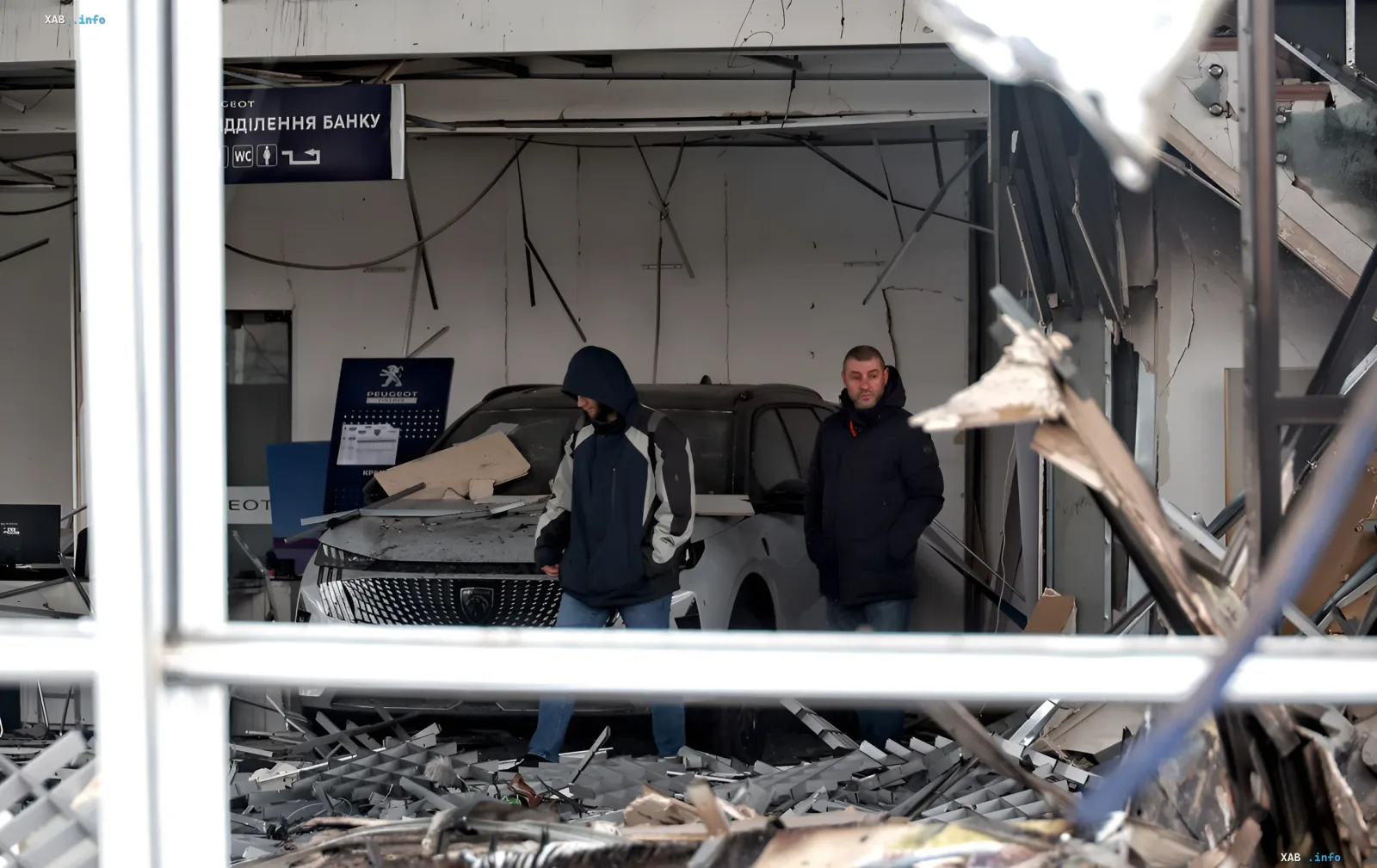
Perhaps in twenty or thirty years, analysts will write a study on the Ukrainian automotive phenomenon. It concerns a warring country that has cleared all pickups and SUVs from European dumps for the front, yet has not stopped importing supercars for the rear. Despite the shutdown of five domestic car factories, the country stubbornly imported wrecked cars from beyond the seven seas and ensured its citizens had "wheels" adequate to the situation and in the necessary quantities.
The secondary market won
There has been no significant drop or rise in sales over the last five years — Ukrainian motorists buy approximately the same number of cars across all categories. However, the secondary market has finally become dominant.
Having money for new cars, Ukrainian consumers confidently choose used vehicles — but of a higher class and more respected brands. Today, sales of used cars exceed new car sales by 12–13 times, and this ratio has remained stable throughout the war years.
In absolute figures, the picture looks like this (using 2025 as an example): 81–83 thousand new passenger cars versus 1.1 million used ones (just imported and domestic resales). At the same time, there is no shift in favor of the newest cars. Once, the share of new cars in annual sales was 30–35%, and today it is about 7%. Used cars have confidently won.
It is not just about the population's wealth: even in wartime conditions, people choose more prestigious used cars instead of new budget foreign cars (certainly not Chinese!) for the same money. Probably, good salaries in the military and defense industry play a role. The average age of a car imported for the secondary market is 9–10 years, which is very good even by European standards.
Electric vehicles: from booms to reality
Over the last five years, demand for electric vehicles in the country has steadily grown. In 2025, every third imported car purchased, new or used, turned out to be an "electric" — more than 107 thousand. Plus another 35.8 thousand — domestic resales.
The main factor was price (duty and excise tax benefits), but at the same time, it became clear that the Ukrainian consumer is not alien to innovations. Buyers of battery-powered cars were not scared off by blackouts or rising electricity prices.
From January 2026, benefits for importing electric vehicles were abolished, imported "electrics" became almost a third more expensive, and sales of electric vehicles of all categories fell to 7% of the market. But the consumer understood and confirmed that an electric vehicle is not an exotic, but a quite useful means of transport, albeit with certain nuances.
Auto expert Yevhen Mudzhiri, founder of the Autogeek project, notes additional changes in recent years:
"The electric vehicle segment today is destroying old resale stereotypes. Just a few years ago, "electrics" lost value significantly faster than gasoline analogues. Today the situation has changed radically, and worthy electric cars confidently retain their residual value thanks to technological maturity — modern battery chemistry, immunity to fast charging, and transparency in monitoring the battery's remaining resource (SoH — State of Health)".
It is precisely in recent years that the Ukrainian consumer has shown their consciousness and resilience to powerful marketing pressure.
Crossovers and the future
The crossover segment — models of the fashionable SUV class — is attacking in all popular directions. Ukrainians choose practical and prestigious cars that are suitable for both the city and difficult road conditions.
Thus, the Ukrainian car park continues to evolve, adapting to new realities. And although the war has made its corrections, Ukrainians have not stopped dreaming of quality cars and are ready to invest in them even in the most difficult times.