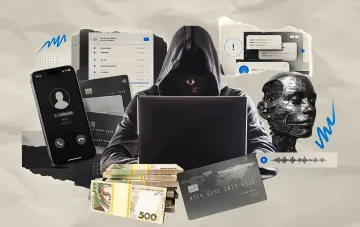
Ukraine's Cyber Police have issued a warning about the spread of a new fraudulent scheme targeting passengers and shippers. The criminals create advertisements and web pages that imitate the operations of real transport companies, then try to convince potential customers to transfer funds to a personal bank account as quickly as possible. This is reported by RBC-Ukraine, citing an official statement from the agency.
How the Scheme Works: From a Fake Facade to Psychological Pressure
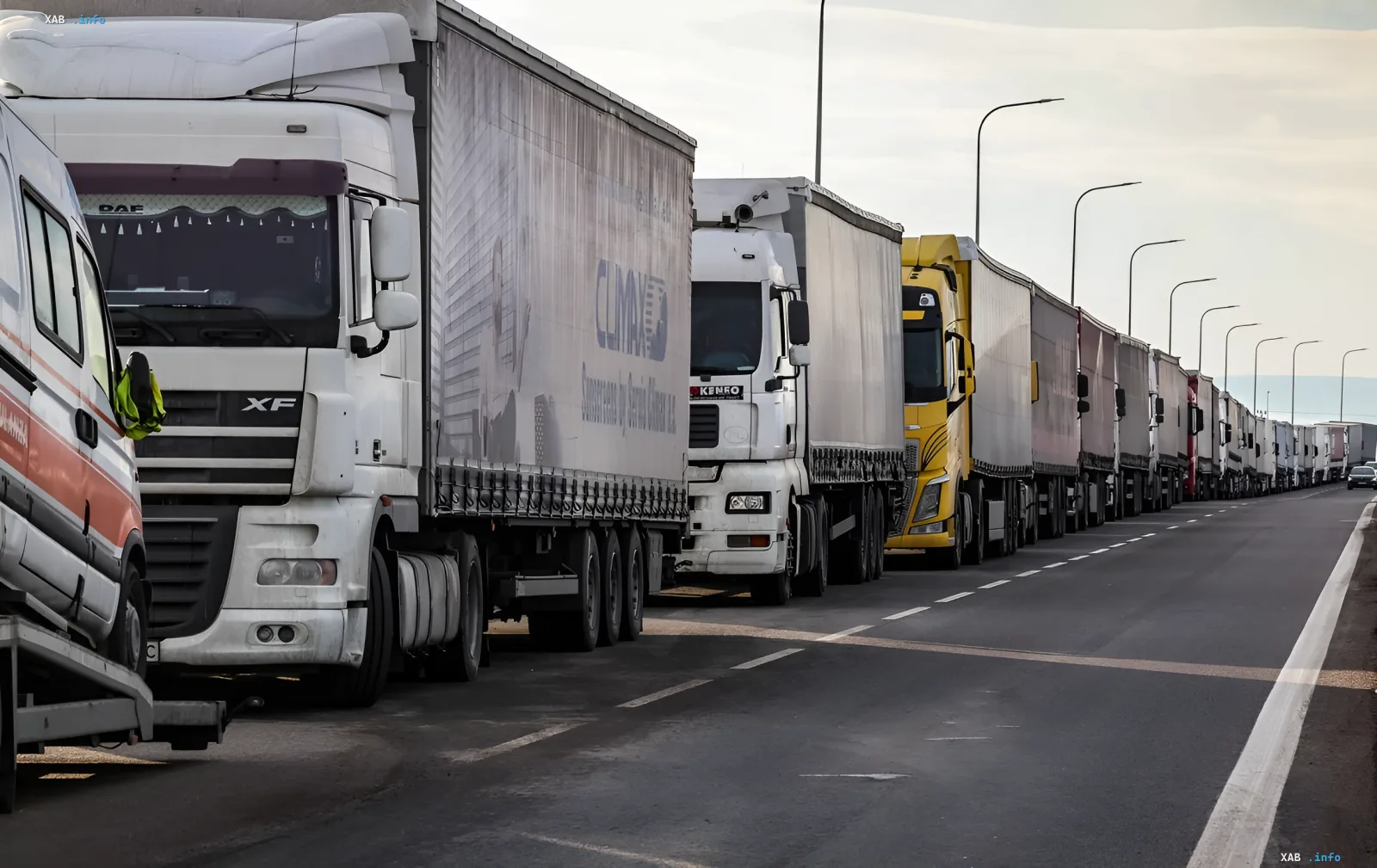
To create a sense of credibility and inspire trust, the fraudsters actively use photographs of real buses and trucks, the logos and corporate branding of well-known carriers, as well as third-party reviews and pages that are virtually indistinguishable from official resources. Once a potential customer submits a request, the criminals move to the key stage — psychological pressure. They claim there is a limited number of seats, that urgent booking is required, or that they can "immediately carry out the cargo shipment," so that the person does not have time to verify the information. "After the customer reaches out, the fraudsters apply psychological pressure designed to make a person act quickly and recklessly," the Cyber Police emphasized.
Advance Payment to a Personal Account and the Disappearance of Traces
To "confirm the order," the pseudo-carrier demands an advance payment or full payment for the entire service to a bank card or the bank account of an individual. After receiving the money, the fraudster may completely cease communication, and the advertisement or page may disappear. In some cases, the scheme does not stop at a single payment: after the first transfer, the criminals invent additional paid services and demand new transfers, gradually extracting more and more money from the victim.
Red Flags: How to Recognize a Fake Carrier
The Cyber Police listed a number of characteristic signs of a fraudulent offer. These include: a demand to urgently make an advance payment; a price significantly below market rate; the carrier's reluctance to provide information about the vehicle, route, travel conditions, or contact details; communication exclusively through messengers, making it impossible to independently verify the information; as well as the appearance of demands for additional payments after the order is confirmed. Any combination of these signals should be a reason for caution.
Law Enforcement Recommendations and What to Do in Case of Fraud
Before ordering a service, the agency recommends verifying information about the carrier: the date its page or advertisement was created, the presence of real reviews, and its operational history. Under no circumstances should money be transferred solely on the basis of a messenger conversation, or by clicking on suspicious links for "booking" or payment — fraudsters may use phishing sites that outwardly copy real payment services but are designed to steal bank card data. The Cyber Police also remind the public that the CVV code of a card, one-time passwords from SMS, and any other confirmation codes must not be shared with third parties. If, while communicating with a "carrier," you are constantly rushed to pay, faced with an artificial shortage of seats, or offered a "great deal only today," law enforcement advises pausing and re-checking the information. If a person has already become a victim of fraudsters or has noticed a suspicious advertisement for passenger or cargo transport, this can be reported to the Cyber Police via an online form or by calling 102 or 112.