The Ukrainian defense industry, which underwent a revival following the Russian invasion, appears to have hit a growth ceiling. This is reported by The Wall Street Journal, citing assessments from industry experts and enterprise representatives. According to the publication, key limitations include regular Russian shelling of production sites, chronic capital shortages, and the dilution of limited funding across more than 1,300 enterprises, which prevents even the most efficient players from scaling production at the pace needed to meet the needs of the Armed Forces of Ukraine.
"Neptune" and the Volume Gap: What Luch Design Bureau Says
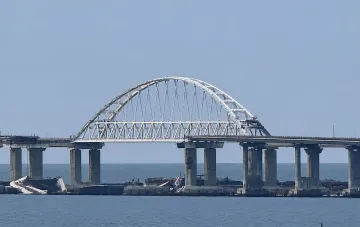
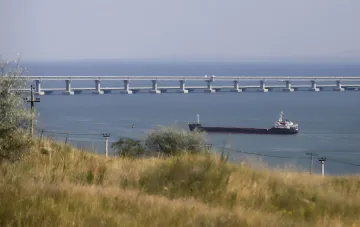
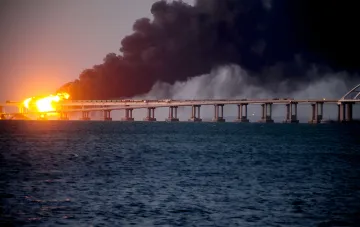
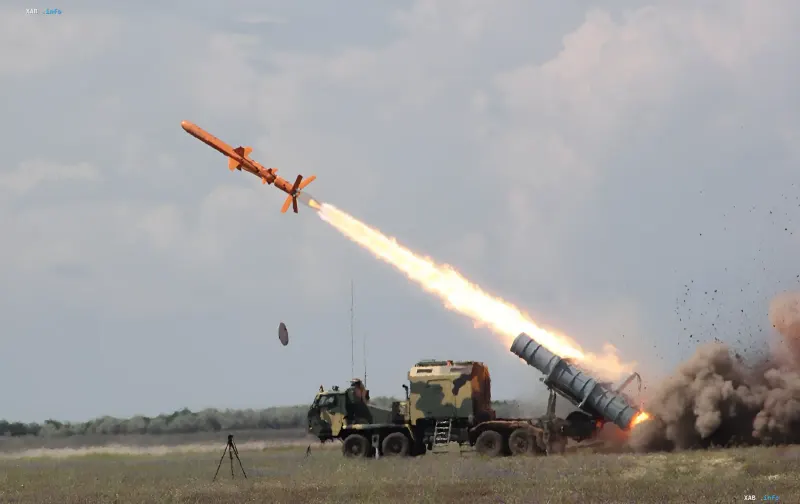
The strike on the Crimean Bridge in November, according to the WSJ, became a symbol of Ukraine's own long-range strike capabilities. However, behind this symbol lies a structural gap in production capacity. Oleg Korostelyov, General Director of the Luch Design Bureau, developer of the "Neptune" surface-to-air missile system, stated that the company plans to produce "hundreds" of such missiles in 2026. For comparison, Russia fired 873 cruise missiles and 606 ballistic missiles at Ukraine in the first seven months of this year alone. Work on the "Neptune" began back in 2010, but full-scale funding arrived only in late 2020. According to Korostelyov, additional investments have allowed for a significant increase in output. In addition to missiles, Luch produces more than a thousand "Palyanytsia" jet-powered drones annually.
Why the Industry Cannot Scale
As described by the WSJ, the Ukrainian defense sector is characterized by flexibility and innovation: numerous small companies experiment with new products, often directly at the front line. However, the domestic market is too small to provide growth for all players, and funding spread across over 1,300 enterprises prevents concentrating resources on the most efficient ones. Nico Woods, who advised the Ukrainian government on defense production, links this problem to the procurement model: individual commanders can independently order equipment or receive it as donations, causing expenses to become fragmented. He says many companies do not provide real value to the war effort and only intensify competition for limited financial resources. Russian shelling further complicates scaling: Luch is forced to disperse production facilities to protect them from strikes. Staffing and space are also a separate problem: millions of people have left the country or are serving in the army, and landlords are reluctant to rent out premises, fearing their real estate will become a target.
Consolidation and Entering Western Markets
Against the backdrop of these limitations, the industry is at a turning point: some Ukrainian companies are looking for foreign markets to establish production or attract funds. Uforce CEO Oleg Rogynsky explains that the issue is access to capital and broader markets, as conducting production within Ukraine itself becomes increasingly difficult. The trend toward consolidation is evident in specific examples: in September, RBC-Ukraine reported that the US-Ukrainian company Swarmer is acquiring the Ukrainian ground robotic systems manufacturer Ratel Robotics, with the deal value potentially reaching $224 million. Swarmer co-founder Alex Fink said the company is in talks with several targets simultaneously, and the format of future deals could range from a minority stake to a full buyout. The publication also mentions the Anti-Ballistic Coalition, created in July in Paris, within which the "Freya" system is being developed. According to Swedish Defense Minister Pål Jonson, creating a European missile defense system for Ukraine could take up to two years.
Strike on the Bridge: A Symbol of Capability and a Point of Escalation
The November strike on the Crimean Bridge, which the WSJ cites as a demonstration of long-range strike capabilities, also became a subject of public disagreement between Kyiv and Washington. President Volodymyr Zelenskyy stated that Ukraine has the right to do whatever it wants with its territory, including the bridge that Russia illegally built to the occupied peninsula. US Deputy Assistant Secretary of Defense Elbridge Colby, conversely, criticized the strike, stating it could provoke Russia into further escalation. Thus, even the defense industry’s most effective operations find themselves at the center of a political debate over acceptable limits of escalation—and this is, in essence, another factor limiting the maneuverability of the Ukrainian defense industry.