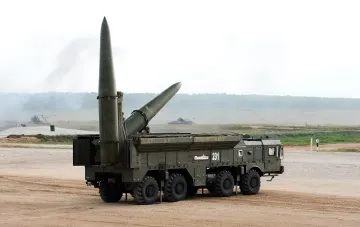
On the night of September 26, 2026, the Defense Forces of Ukraine carried out a large-scale series of strikes against strategically important facilities within the Russian Federation. Ukrainian drones and missiles targeted military-industrial complex enterprises, logistics hubs, and enemy air defense infrastructure. According to official sources, this operation was a response to ongoing aggression and aimed to weaken the offensive potential of Russian forces.
Attack on Military Plant and Ilsky Oil Refinery
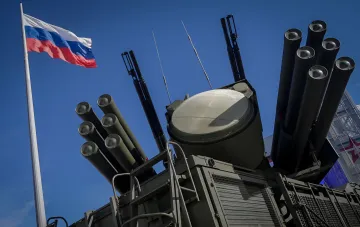
Ukrainian President Volodymyr Zelenskyy and the General Staff of the Armed Forces of Ukraine reported successful strikes in the Rostov and Krasnodar regions. Specifically, a plant providing the Russian army with critical components for the production of missiles and artillery shells was hit in the Rostov region. Furthermore, the Ilsky Oil Refinery in the Krasnodar region was attacked, resulting in a massive fire breaking out on its premises. Reports also indicate the destruction of a Pantsir-S2 anti-aircraft missile and gun system.
Destruction of Radar Station and Ammunition Depots
In addition to fuel and industrial infrastructure, the Ukrainian military targeted supply and air defense facilities in temporarily occupied territories of Ukraine. A large Russian army ammunition depot was successfully hit in Severodonetsk, Luhansk region. In the area of Semenivske, Donetsk region, a mobile two-coordinate meter-band radar station P-18 Terek, designed to detect air targets at ranges up to 250 kilometers, was destroyed.
Contradictory Data
There are noticeable discrepancies in the coverage of the night attack's scale between Ukrainian and international sources. Official Kyiv and the General Staff of the Armed Forces of Ukraine focus exclusively on strikes against military and logistical targets serving the Russian military-industrial complex. Meanwhile, foreign media, citing Russian regional services and monitoring channels, report civilian casualties in the south of Russia, claiming three dead and seven wounded as a result of falling drone debris and subsequent destruction of residential buildings.
Strategic Consequences of the Strikes
Experts note that systematic attacks on military-industrial enterprises, oil refineries, and radar stations significantly complicate the logistics and supply of the Russian troop grouping. Disabling facilities such as the Terek radar and component-supplying plants creates gaps in air defense and reduces the rate of weapons production, which in the long term plays a key role in containing the enemy's offensive.