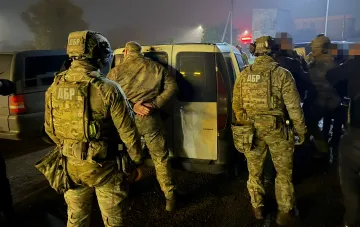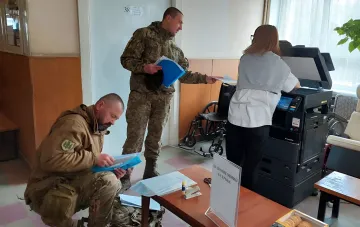
The Ministry of Defense of Ukraine has published an official clarification regarding the status and powers of territorial recruitment and social support centers (TCC and SS). According to the department's position, these structures are military management bodies that maintain military records, conduct conscription during mobilization, and carry out the staffing of the armed forces. The clarification, as reported by RBC-Ukraine, aims to clarify the legal boundaries of the centers' activities under the current martial law.
Functions and Tasks of Recruitment Centers
The Ministry of Defense listed the key tasks of the TCC and SS: maintaining military records, conducting citizen notification events, and organizing the referral of liable citizens for medical examinations. Separately, the department emphasized that the centers' area of responsibility also includes organizing social and legal protection for servicemen and veterans. Thus, the official clarification presents the centers not only as a conscription tool, but also as a structure providing support to individuals associated with service.
Powers of Representatives and Document Delivery Procedures
Authorized representatives of the TCC, according to the Ministry of Defense, are endowed with the right to issue subpoenas and check military registration documents in the manner established by law. The department noted that the activities of these representatives are protected by criminal law, and intentional obstruction of their lawful work entails liability. The clarification emphasizes that the actions of employees must be carried out strictly within the framework of established procedures.
Liability for Obstructing TCC Work
The Ministry of Defense indicated that intentional blocking of transport or access to premises, physical interference with the work of the centers, and the dissemination of information about the locations of inspections can be qualified under Article 114-1 of the Criminal Code of Ukraine. For obstructing the lawful activities of the armed forces and other military formations during a special period, according to departmental representatives, punishment is provided in the form of imprisonment for a term of 8 to 15 years if the actions caused human deaths or other grave consequences.
Obligations of Conscripts During Mobilization
The department recalled that during mobilization, men aged 18 to 60 are required to carry a military registration document with them and present it upon the demand of a TCC representative or a police officer. Conscripts and military-liable individuals, according to the clarification, must comply with registration rules, report changes in personal data, and arrive upon a summons. These requirements are formulated as part of the general order operating under martial law.
Appeal Mechanisms and Ombudsman's Position
The Ministry of Defense also pointed to legal means of protection: in case of disagreement with the actions of TCC representatives, citizens can appeal them in court, a higher authority, or turn to the Ukrainian Parliament Commissioner for Human Rights. In parallel, Ombudsman Dmytro Lubinets emphasized in his Telegram channel that mobilization must take place in accordance with the law, and not "by the principle of coercion," and that TCC employees are prohibited from taking phones or using physical force. He added that violations of rights during mobilization become the responsibility of the new Commander-in-Chief. Earlier, a number of district administrative courts recognized certain TCC decisions as unlawful, including in matters of deferments.
Procedural Changes in the Mobilization System
Against the background of the clarification of powers, other changes are continuing in the mobilization system. In particular, the armed forces have strengthened control over the work of military medical commissions in order to improve the quality of medical examinations and exclude the involvement in service of persons recognized as unfit. In addition, the Ministry of Defense provided clarification on deferments after October 30: according to the department, the automatic extension mechanism makes it possible to preserve over 90% of existing deferments without the need to re-submit documents.