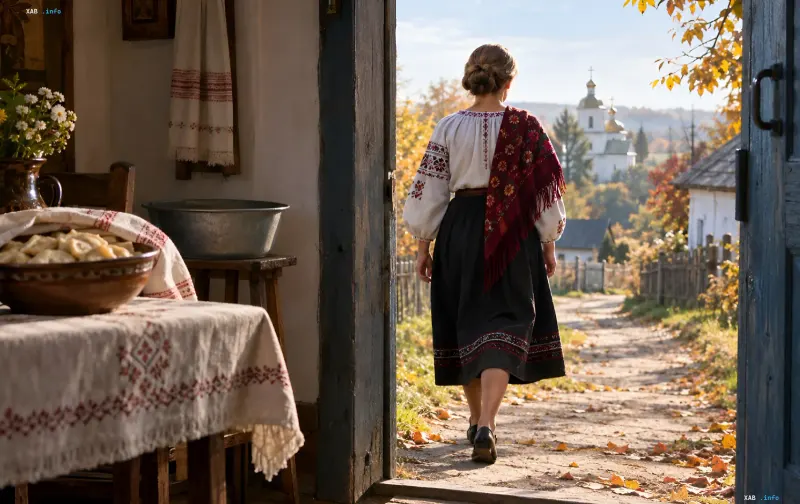
Sunday in traditional Ukrainian culture has always held a special place, acting not just as a day off, but as a sacred period governed by strict rules and ancient beliefs. Our ancestors believed that this day of the week required spiritual concentration, prayer, and help for those in need, while any heavy physical exertion or household chores could bring misfortune.
Folk Prohibitions on Work and Household Chores
According to traditional views, Sunday laundry, sewing, chopping wood, or any other heavy labor were considered a sin that violated the sanctity of the seventh day. In the book «100 образів української міфології», these activities are detailed as unacceptable. To avoid angering higher powers, peasants tried to finish all household chores before dusk on Saturday.Sleeping Late and Kitchen Restrictions
Surprisingly, refusing labor did not mean complete freedom in terms of rest. Folk omens strictly forbade lingering in bed late, as well as combing hair too late in the morning. Morning traditionally began with a church visit. Those preparing for communion went to the service on an empty stomach, which explained the custom of postponing the morning meal. In some regions, such as Galicia, there was a strict custom not to cook food on Sunday, replacing it with dishes boiled the day before.
Contradictory Data
There are certain discrepancies in the interpretation of folk prohibitions regarding what exactly was considered an acceptable indulgence on Sunday. While some ethnographic sources indicate an absolute ban on any activity and the need for strict prayer, other materials record regional variations where light household chores after church attendance were still permitted. Nevertheless, legends like Tatiana Gayevskaya's stories about punishment for spinning on Sunday unanimously warned against neglecting the sacred status of the day.
Spiritual Significance and Mythological Warnings
Violating established prohibitions in the public consciousness was severely punished. Sunday was often personified as a holy woman — the embodiment of the day itself — who could appear to the offender and punish them. Monographs recorded frightening legends about people who fell ill after working on Sunday. Therefore, people tried to dedicate this day exclusively to spiritual matters, charity, and supporting the sick and infirm.