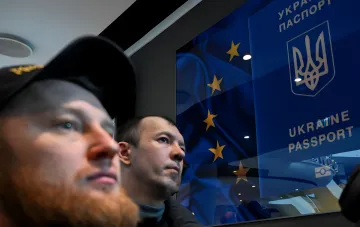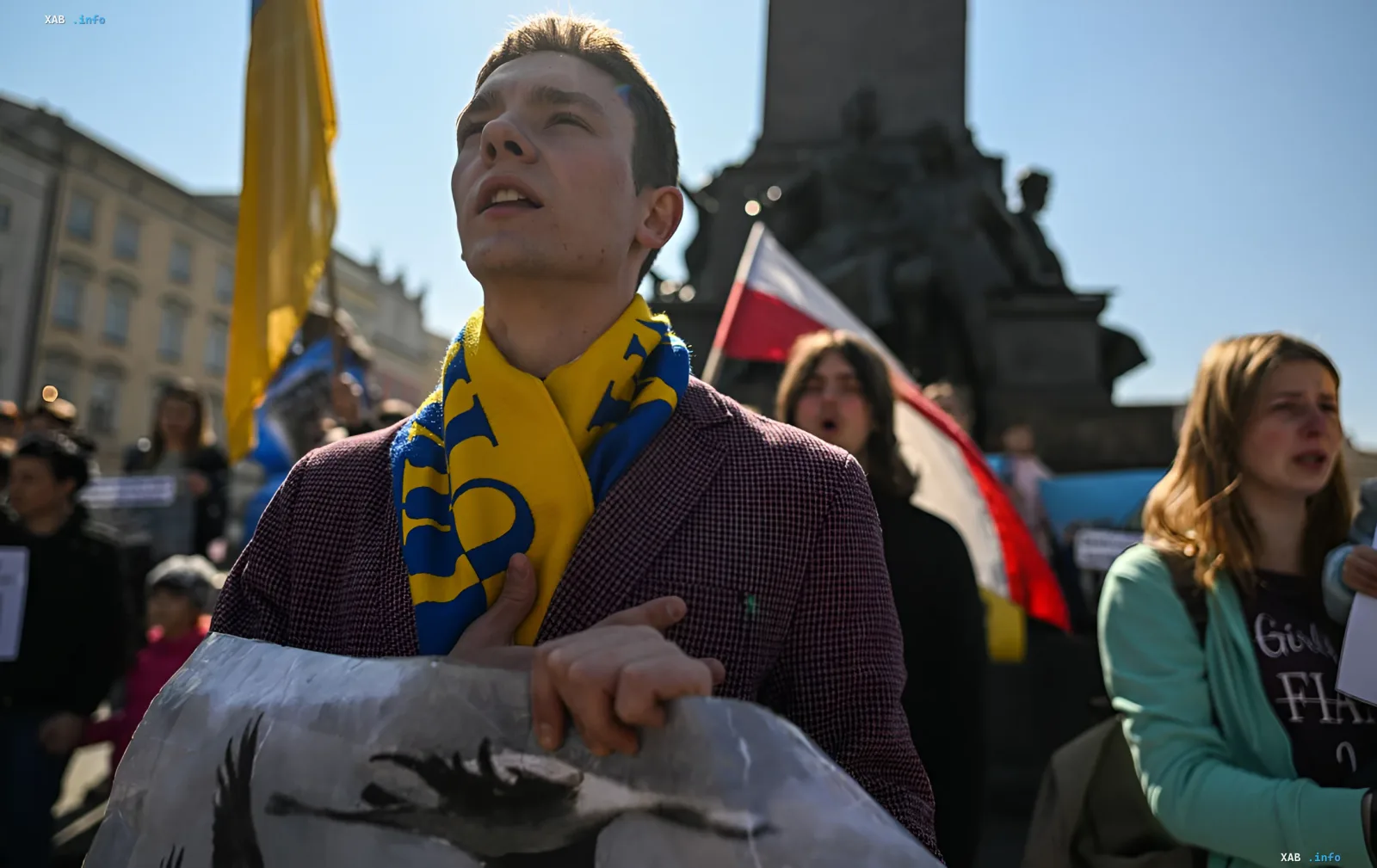
A worrying increase in crimes committed against Ukrainian citizens has been recorded in Poland. According to official data from the Polish Police Headquarters, in the first half of 2026, the number of reports filed by Ukrainians with law enforcement agencies increased by 30% compared to the same period last year. This sharp spike has prompted intervention by European structures and drawn attention to the safety of refugees in the neighboring country.
Brussels' Reaction and Legal Mechanisms
The European Commission responded to the situation with a stern condemnation of any manifestations of hate crimes and hate speech. In response to media inquiries, an EC spokesperson emphasized that the Commission continues to monitor the implementation of the EU Framework Decision on combating racism and xenophobia in all member states, including Poland. The document obliges countries to criminalize public incitement to violence based on nationality and to consider xenophobic motives as an aggravating circumstance.
New Rules for Victim Protection
The European Commission also drew attention to recent legislative changes at the Union level. A revision of the Victims' Rights Directive was adopted, strengthening the protection of crime victims, including those of hate crimes. Brussels is demanding that member states promptly transpose these strengthened provisions into national legislation. Furthermore, the EC continues to provide special funding to countries hosting Ukrainians, emphasizing that solidarity and non-discrimination remain the fundamental principles of the EU.
Demographic Situation and Statistics
Despite the rise in aggression, Poland remains a key destination for Ukrainian refugees in the European Union. According to Eurostat data as of the end of June 2026, more than 961,000 Ukrainian citizens were under temporary protection in the country. However, there is a trend of gradual reduction in their numbers: in June alone, the number of protected individuals decreased by 6,335 people (0.7%). Experts attribute this to the return of some people to their homeland or relocation to other countries, although the remaining population continues to face social challenges.
Contradictory Data
There is a certain discrepancy in the interpretation of the situation between official statements and actual statistics. On the one hand, the European Commission declares full support and the existence of effective protection mechanisms; on the other hand, police statistics record a significant increase in complaints (30%), which may indicate insufficient effectiveness of current preventive measures or a real exacerbation of social tension in Polish society, which is not always reflected in Brussels' official rhetorical constructs.