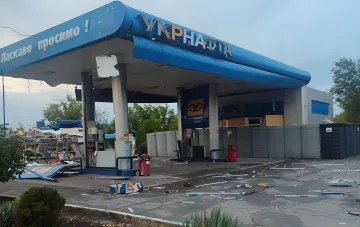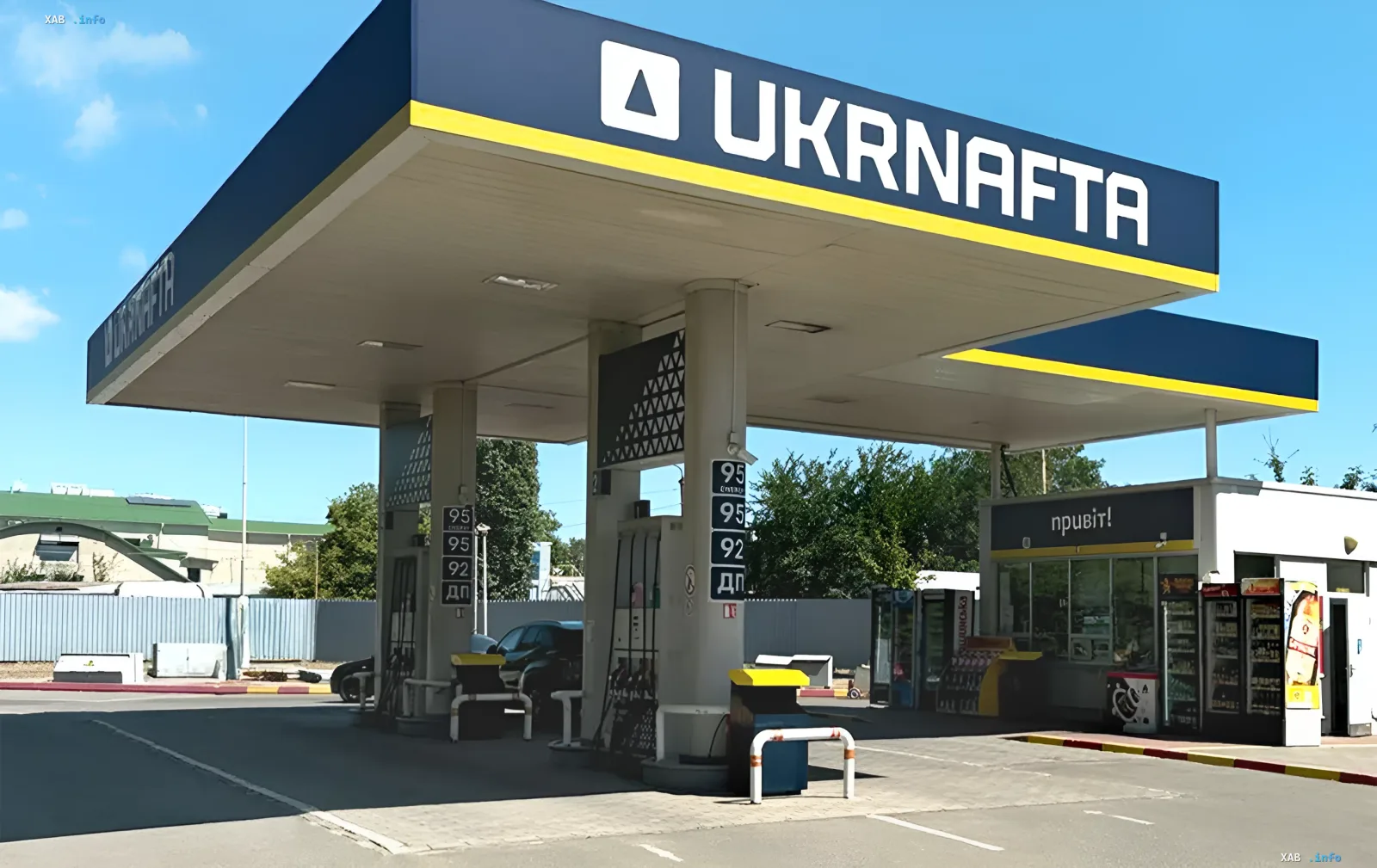
Amidst the ongoing war and regular attacks on critical infrastructure, the state-owned oil and gas company "Ukrnafta" is radically changing its strategy for fueling the population. In August 2026, the Chairman of the Board of JSC "Ukrnafta", Bohdan Kukur, announced the implementation of a mobile fueling complex (MFC) operating mode. This decision was a response to the impossibility of restoring stationary gas stations in several frontline and affected regions.
Logistics Adaptation: Transition to Mobile Formats
According to company leadership, "Ukrnafta" already possesses a fleet of small-capacity fuel tankers (up to three cubic meters) that can be quickly converted into mobile fueling points. Kukur confirmed that the company plans to purchase additional units to expand this network. The main goal is to ensure uninterrupted fuel supply in locations where stationary gas stations have been destroyed or are in the direct line of fire. "We need to have them at hand to react quickly to the situation if necessary," the head of the board emphasized in an interview with Interfax-Ukraine.
Legal Barriers and Safety Issues
Despite the readiness of the technical base, the implementation of the project faces legislative restrictions. At present, current regulations allow the use of mobile fueling complexes exclusively within the boundaries of an operating stationary gas station and within the framework of its license, for example, in case of its temporary destruction. Kukur pointed out the need to amend the legislation to legalize the operation of mobile complexes in open locations. At the same time, he emphasized the safety factor: operating a fuel tanker in places where people gather requires strict control and compliance with norms to avoid tragedies.
Fighting the Shadow Market and Protecting the Consumer
An important aspect of "Ukrnafta"'s strategy is the fight against illegal fuel trafficking. Kukur warned that the lack of clear regulation for mobile MFCs could lead to an explosive growth of the shadow segment. Uncontrolled refueling stations appearing in various locations create serious risks for consumers, primarily in terms of fuel quality. The state company sees its task as making the legal mobile format an alternative to "black" suppliers, guaranteeing product quality and safety.
Context: Destruction of Infrastructure and Status of Critical Objects
The initiative to introduce mobile gas stations comes against the backdrop of a sharp increase in attacks on fuel infrastructure. In particular, all gas stations in the Opyshnia community of the Poltava region were destroyed, and their restoration was deemed impossible. In this regard, authorities are considering the issue of granting gas stations in frontline regions the status of critical infrastructure objects, which should strengthen their protection. The fleet update and the introduction of mobile solutions in 2026 also correlate with plans to modernize up to 100 gas stations in the country, as reported earlier this year.