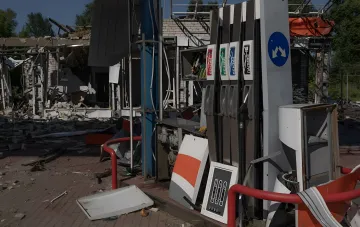

The Ukrnafta network of gas stations has begun installing gabions around its fuel stations in Kyiv. According to Bohdan Kukura, Chairman of the Board of JSC Ukrnafta, as reported by RBC-Ukraine, such structures are being placed on the side facing the highway and pedestrian walkways so that, in the event of a Russian drone attack, debris is contained within the perimeter and the external damage zone is reduced. In a photo published by Kukura, stacked bundles of gabion mesh and metal components prepared for installation can be seen at the gas station complex.
Why gabions and how they work
The main purpose of these structures is to protect people and vehicles outside the gas station itself. As explained by the Chairman of the Board, when a drone hits the complex's territory, the gabions hold the fragments and debris within the fenced perimeter, thereby reducing the radius of damage on the adjacent street. This lowers the risks for pedestrians and cars that may happen to be nearby at the moment of an attack. Kukura also added that the company is preparing additional security measures, which it will announce later.
Gas station operating protocol during an air raid alert
Separately, Ukrnafta reminded everyone of the mandatory procedure during an air raid alert: regardless of the threat level, the network's gas stations cease operations, and staff and customers must leave the premises. The company urged people to pay close attention to alert signals and not to disregard these rules, as refueling during an attack is extremely dangerous.
Context: strikes on fuel infrastructure
The measures are explained by the increasing frequency of attacks on fuel infrastructure. Lately, Russian forces have more often targeted gas stations. On just one day of a massive daytime drone attack, according to available data, the occupiers hit gas stations in Zvyahel and Korosten in Zhytomyr Oblast, and residents of the regions were directly urged to avoid fuel stations during strikes. Against this backdrop, the installation of gabions in the capital becomes part of a broader practice of protecting critical facilities from the consequences of drone attacks.