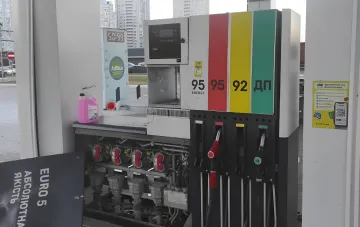
The Ukrnafta fuel and energy network has introduced a mandatory suspension of operations at all gas stations during air alerts of the yellow or red level. The company's press office announced this, citing systematic strikes by the Russian side on civilian infrastructure, including retail network facilities. The statement emphasized that the safety of customers and staff is the top priority, and that the decision was made against the backdrop of repeated jet-drone attacks on fuel stations in various regions of Ukraine.
Direct Calls for Evacuation and Safety Rules
In its address to customers, Ukrnafta states directly: during an air alert of the corresponding level, gas stations cease operations, and all visitors and drivers are asked to immediately leave the station premises. The company lists a number of simple rules that, according to it, help reduce risks and preserve life and health. "Take care of yourselves and heed the air alert signals," the press office summarized. The wording carries the character of a mandatory briefing: customers are called upon to follow the instructions of station staff without delay.
Strikes on Kyiv Gas Stations: Troieshchyna, Pochaiv and Holosiivskyi District
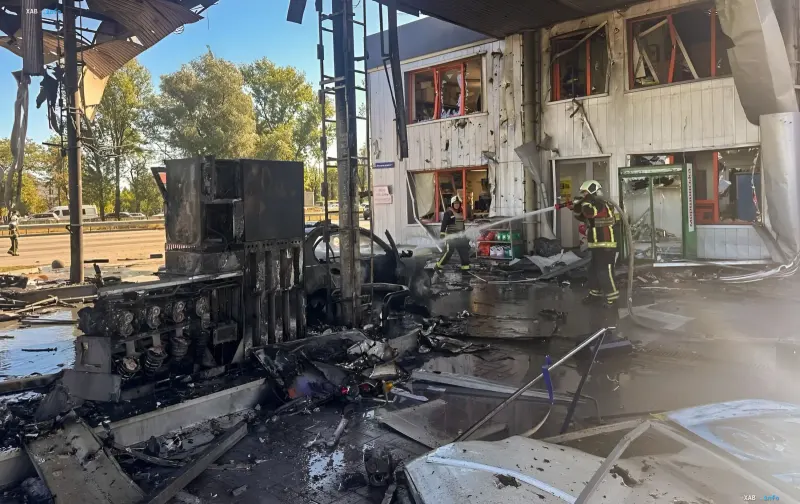
The decision to introduce the suspension mode was made against the backdrop of specific incidents. According to data obtained on September 11, Russian jet drones struck two Ukrnafta gas stations — in Troieshchyna and in Pochaiv. One of the stations was hit twice, indicating a deliberate targeting of the facility. The day before, on September 10, in Kyiv's Holosiivskyi district, a Russian drone landed on the premises of another station in the network. According to the State Emergency Service, three people were injured as a result of the incident, a public transport stop was damaged, and several fire outbreaks occurred. Photographs from the scene show completely burned-out vehicles, destroyed equipment, and firefighters containing the remaining fires.
Beyond the Kyiv Strikes: Attacks in Kyiv, Zaporizhzhia and Dnipropetrovsk Regions
The Kyiv incidents are part of a broader series of strikes on Ukrnafta's civilian infrastructure. Recently, Russian forces carried out attacks on the company's facilities in Kyiv, Zaporizhzhia and Dnipropetrovsk regions. According to data previously released by Naftogaz, the number of destroyed and damaged fuel stations over the course of the war is counted in the dozens. The repetition of strikes on the same type of facility — retail gas stations — indicates that Russian forces regard fuel infrastructure as a priority target for undermining logistics and the daily life of the civilian population.
Operational Context and Significance for Consumers
The introduction of an automatic suspension mode for gas stations during alerts means that drivers and passengers who arrived at a station immediately before the signal are obliged to leave the premises without completing their service. For consumers, this creates additional logistical difficulties in conditions where every minute on the road is critical. Experts note that such measures, although they limit fuel availability during alert periods, are standard practice for facilities included in the list of potential strike targets, and are aimed primarily at preventing human casualties in the event of a repeated hit.