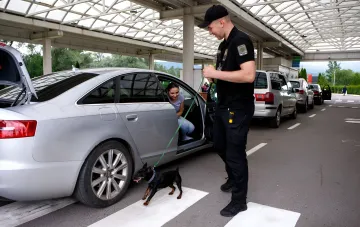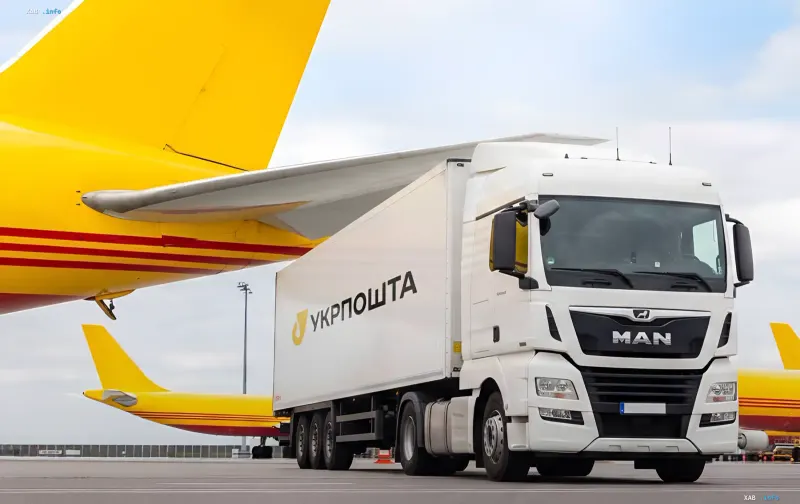
Ihor Smylianskyi, CEO of Ukrposhta, announced the creation of an in-house aviation security service that will manage risks in international postal exchange. According to the head of the company, the new structure is designed to both raise the security level of shipments and reduce the delays that parcels face during checks at airfields and borders. As RBC-Ukraine notes, the initiative is a response to the growing security requirements of partner countries for international air cargo and to systemic problems that cause individual problematic shipments to paralyse entire freight batches.
Why a single parcel can stop a 20-tonne truck
Smylianskyi explained the specific mechanics of the problem: today, Ukrposhta ships more than 90% of its parcels abroad within a maximum of 24 hours. However, in his words, "it is very regrettable that because of questions about 1–5 parcels at an airport or at the border, an entire 20-tonne truck is stopped, and thousands of parcels are delayed by 1–2 days due to checks for dangerous goods." Such delays, the head of the postal operator stressed, hit not only logistics but also Ukrainian entrepreneurs: the speed of international delivery directly affects customer relationships, seller ratings on marketplaces, the number of repeat orders, and the competitiveness of domestic goods on foreign markets.
Training under the UN umbrella and cooperation with customs
Specialists of the new service underwent training led by experts from the United Nations Office on Drugs and Crime (UNODC). The training programme covered international methods for building risk profiles and detecting dangerous or prohibited items in postal shipments. Importantly, the aviation security system is being developed by Ukrposhta jointly with the State Customs Service of Ukraine. At the same time, Smylianskyi emphasised that the new service does not replace customs control but works in coordination with customs, complementing it with specialised risk-management tools.
159 routes, 230 countries, and equipment plans
Ukrposhta currently uses 159 air routes and carries out international postal exchange with 230 countries and territories around the world. The main air hubs for postal flows are London, Frankfurt, Warsaw, Riga, and Chișinău. Reserve routes run through Prague, Amsterdam, Bucharest, and Bratislava. In the future, the company plans to invest in specialised equipment — modern X-ray systems and X-ray television introspectors at automated sorting hubs. The plans also include the introduction of artificial intelligence for analysing risk profiles and other types of control. "This will speed up the entire process — from processing a parcel at the terminal to handing it over to customs," Smylianskyi explained.
Preparing for the resumption of flights from Boryspil
In response to a question about the link between the new service and the prospect of restoring air traffic, Smylianskyi clarified that creating an in-house aviation security structure does not mean the resumption of flights from Boryspil Airport, but Ukrposhta is deliberately preparing for such a scenario. "This means that Ukrposhta wants not simply to deliver parcels quickly, but to do so reliably and safely for our partners," the CEO stated. The main goal of the new system, in his formulation, is to make shipment control strict enough to ensure security while remaining invisible to end customers, so that they receive their international parcels in the shortest possible time.
Context: expanding ground infrastructure
The launch of the aviation security service fits into a broader cycle of Ukrposhta's modernisation. Earlier, the company announced the start of production and installation of 1,000 outdoor parcel lockers, which are planned to be placed near residential buildings in Kyiv, Odesa, Lviv, Dnipro, and other major Ukrainian cities. The combination of measures — from automated sorting hubs with X-ray control to the network of parcel lockers and the in-house risk-management service — forms the infrastructure foundation for restoring full international postal exchange under conditions in which Ukrainian postal services are forced to rely on foreign hubs.