The fields of artificial intelligence and robotics are taking another major technological step forward. Startup MindOn has officially introduced the innovative Mind-1 model designed to control robots in real time. The main feature of this development is the transition away from narrow specialized algorithms in favor of a unified intelligent system combining perception, analysis, and physical action.
Platform Versatility and Hardware Independence
An important feature of MindOn's strategy is the refusal to create its own hardware or robot bodies. The company positions Mind-1 as a universal software foundation capable of functioning across various robotic platforms. This spares manufacturers from the costly need to retrain software for each individual hardware mechanism, paving the way for large-scale standardization.Speed of Performing Everyday Tasks
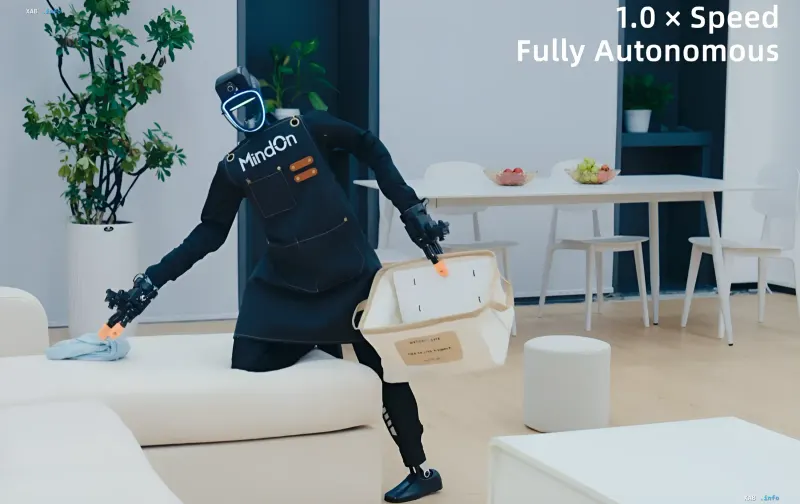
During demonstration tests, robots powered by Mind-1 demonstrated remarkable agility. In video materials marked '1.0x Speed' and 'Fully Autonomous', the machines performed complex household and operational manipulations at a speed practically indistinguishable from human performance. Until now, the key criterion for autonomous systems was simply completing the task, but developers have now shifted the focus to real performance and speed.Contradictory Data
Despite impressive demonstration videos, a restrained skepticism remains within the expert community. Startup representatives state that the model ensures manipulations are performed at human speed or even faster in certain scenarios. At the same time, independent specialists emphasize that objective evaluation requires rigorous stress tests capable of accurately measuring success rates and the frequency of operator intervention outside controlled demo zones.