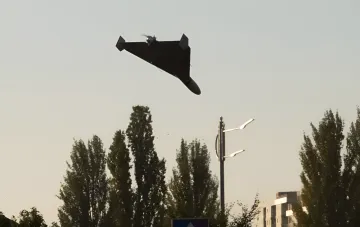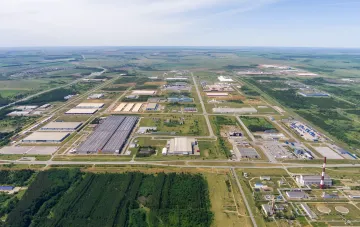
According to a multilateral sanctions monitoring panel, up to 25,000 North Korean nationals may be working in Russia's unmanned aerial vehicle (UAV) manufacturing industry. The published report indicates that some of these workers are employed at facilities in the Alabuga Special Economic Zone in Tatarstan, where drones are reportedly assembled. To conceal the true nature of their employment, Pyongyang is allegedly issuing its citizens with student status, thereby attempting to circumvent international sanctions.
Sanctions Committee Report and the Scheme to Bypass Restrictions
The Multilateral Monitoring and Verification Group recorded that the use of "student" status allows the Kim Jong Un regime to legalize the presence of workers on Russian territory and their participation in militarily significant production. Experts note that this practice directly contradicts UN Security Council resolutions prohibiting the DPRK from engaging in activities related to financing its nuclear and ballistic missile programs. According to the report's authors, last year North Korean workers abroad earned the regime up to $800 million, which is believed to be directed toward developing Pyongyang's nuclear and missile capabilities.
Alabuga as a Drone Assembly Hub
Particular attention in the report is given to enterprises in Tatarstan. According to monitoring materials, it is at the Alabuga sites that North Korean specialists are taking part in assembling unmanned aerial vehicles, which are believed to be used in combat operations. This indicates that labor migration from the DPRK to Russia has ceased to be a purely commercial phenomenon and has acquired a pronounced military-industrial component, closely tied to the needs of the Russian defense industry.
Economics: Wages Five Times Higher Than in China
A key factor making Russia an attractive destination for Pyongyang is the level of pay. According to the report, the monthly wages of North Korean workers in Russia may be five times higher than in China. For comparison: by the end of 2025, an estimated 20,000 to 70,000 North Korean workers were employed in China, whereas in Russia the figure stands at 15,000 to 30,000. The high returns make the Russian direction a priority for Pyongyang amid sanctions pressure.
Strict Control and Risk to Defectors' Families
According to the report, DPRK authorities strictly monitor the movements of their workers abroad and their contacts with foreigners, striving to prevent defections. Those who do attempt to flee face not only personal liability but also the persecution of family members left behind in North Korea. This system of collective responsibility, experts believe, is one of the main tools for keeping the labor force under the regime's control.
Strengthening the Moscow–Pyongyang Alliance
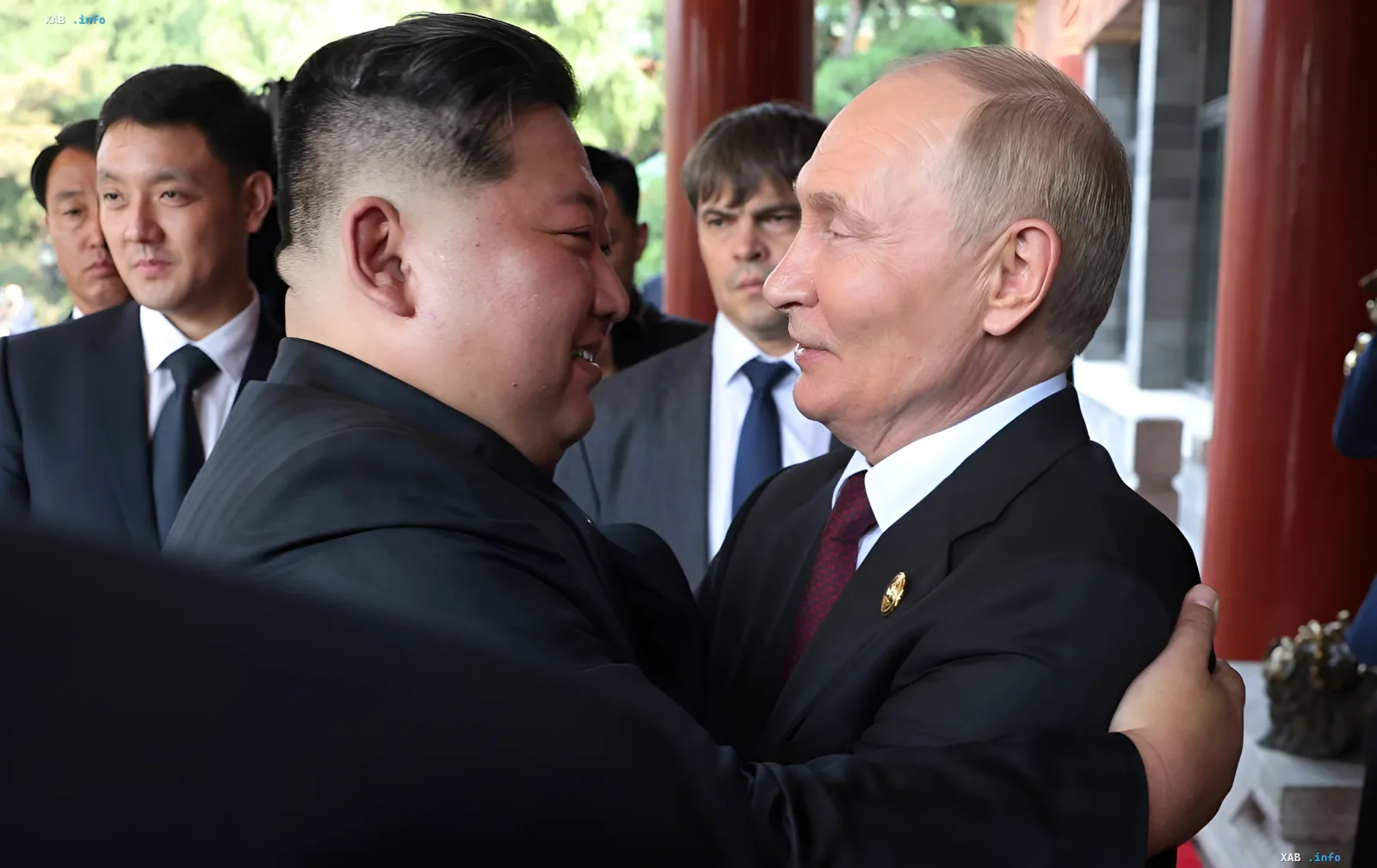
Relations between Russia and North Korea have significantly intensified since the start of Russia's full-scale invasion of Ukraine in 2022. The DPRK is reportedly supplying Moscow with millions of artillery shells and ballistic missiles, and has also sent thousands of its own military personnel to take part in combat operations. In return, Russia provides Pyongyang with financial resources, food, and military technology for its nuclear and missile programs. Against this backdrop, DPRK leader Kim Jong Un, in a letter to the Russian head of state, pledged to expand and deepen cooperation and expressed confidence in Moscow's victory in the war against Ukraine, assuring of unwavering support for the Russian people.
Contradictory Data
The sources and the report itself contain discrepancies in the figures that are important to take into account. On the one hand, the discussion concerns "up to 25,000" DPRK nationals engaged specifically in the drone manufacturing industry; on the other, the overall estimate of the number of North Korean workers in Russia ranges from 15,000 to 30,000. In other words, the drone-sector figure may either coincide with or fail to cover the entire pool of North Korean labor migrants in Russia. Similar uncertainty characterizes the data for China, where the range of estimates is 20,000 to 70,000. Thus, the exact numbers, sectoral employment, and the regime's actual revenue volumes remain matters of expert estimation rather than confirmed precise figures.
Beijing's Concern
According to Forbes, in China there are fears that the strengthening of ties between Moscow and Pyongyang may weaken Beijing's influence over North Korea. Chinese circles also express concern that the growth of the DPRK's military confidence could provoke new conflicts in the region. This adds a geopolitical context to the labor and military-industrial dimensions of Russian–North Korean cooperation.