Ukraine's Ministry of Defense confirmed that the United States and the European Union have agreed to allocate a combined total of nearly $6 billion for the procurement and modernization of air defense systems. According to the ministry, the American side has approved a possible sale of air defense modernization equipment worth approximately $2.68 billion, while Brussels has agreed to provide Ukraine with a 3 billion euro Ukraine Support Loan to purchase critical weapons, including air defense systems.
Funding Structure: FMF and the European Contribution
According to the Ministry of Defense, the American portion of the project will be funded through contributions from one European country as well as funds from the Foreign Military Financing (FMF) program. This means that Washington is not bearing the full financial burden on its own, but rather distributing the costs among allies. The European component of 3 billion euros, allocated under the Ukraine Support Loan, is intended to procure a wide range of critical weapons, with priority given specifically to air defense systems and surface-to-air missile complexes.
Production Constraints as a Key Factor
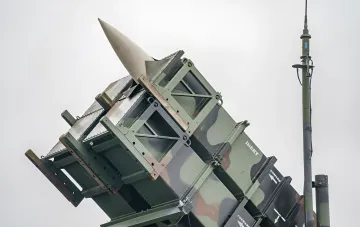
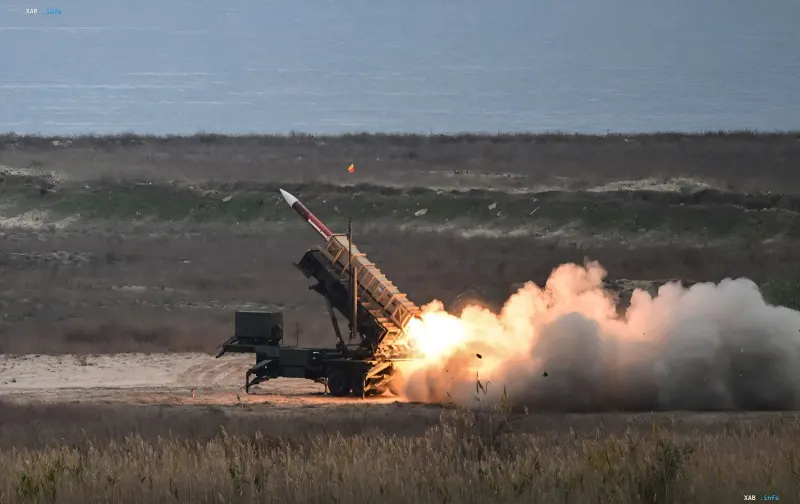
In the context of approving new aid packages, the US previously explained that a shortage of global production capacity has become the main constraint on deliveries of PAC-3 interceptor missiles to Ukraine's Patriot systems. According to US agencies, existing resources and weapons stockpiles are insufficient to meet the Ukrainian side's current needs. This is precisely why the approval of additional funding volumes is seen as a mechanism to ensure the continuity of priority procurement, allowing the Armed Forces to receive the necessary weapons in a timely manner to defend against missile terror ahead of the winter period.
Reaction from European Partners: The Case of Denmark
European partners continue to seek ways to rapidly strengthen the defense of Ukrainian skies. In particular, Denmark is urgently accelerating the transfer of a new package of military aid to Ukraine to bolster its defense. Copenhagen's response followed an incident in which a Russian military frigate fired signal rockets toward a Danish helicopter. This episode served as an additional incentive for the Scandinavian capital to increase the volume and pace of deliveries of air defense systems and related equipment.
Significance for the Winter Period
Ukraine's Ministry of Defense emphasized that the agreed funding volumes will ensure the continuity of priority procurement and allow the Armed Forces to receive the necessary weapons in a timely manner to defend against missile terror ahead of winter. Given that the winter period is traditionally characterized by increased intensity of missile strikes on energy infrastructure and populated areas, the rapid receipt of new air defense complexes and interceptor missiles becomes a critically important factor in the survival of civilian infrastructure.