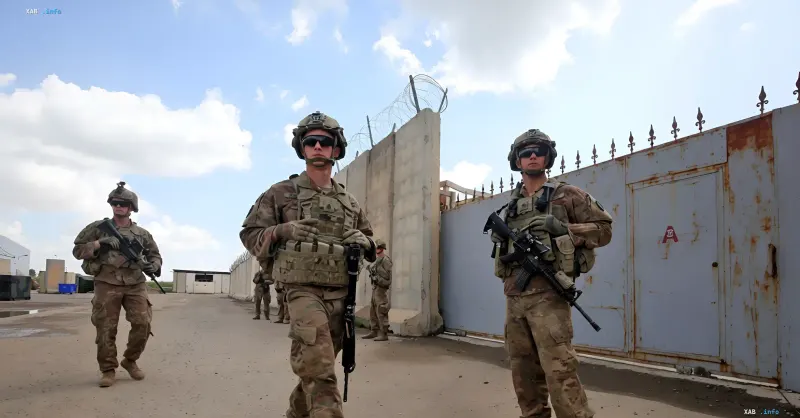
The United States and the international coalition forces have officially completed the withdrawal of their troops from Iraqi territory. This historic event marks the end of Washington's military presence spanning over two decades, which began with the 2003 invasion and the overthrow of Saddam Hussein's regime. This step is being carried out in strict accordance with the bilateral agreement reached between Baghdad and Washington back in 2024.
Chronology and details of the withdrawal
According to Sabah al-Numan, spokesman for the Iraqi armed forces' commander-in-chief, in an interview with the INA news agency, the evacuation process concluded within the agreed timeframe. Meanwhile, Iraqi Foreign Minister Fuad Hussein noted that American units left the country even slightly ahead of the September 30 deadline. Currently, no foreign military bases or regular combat and logistical units of the coalition remain on Iraqi soil.
Controversial data
Despite official statements from Baghdad regarding the complete stabilization of the situation and the transition to sovereign security control, serious concerns persist among experts and regional players. In particular, representatives of Kurdish autonomies and independent observers expressed concern over a potential security vacuum, describing the withdrawal of US forces as premature amid ongoing threats from terrorist cells and regional instability.
Transition to bilateral partnership
The conclusion of the coalition's military mission against self-proclaimed ISIS opens a new chapter in relations between the two nations. From now on, interaction between Baghdad and Washington will transform into a full-fledged bilateral cooperation framework. It will focus on advisory support, training of local security forces, and intelligence sharing, while the Iraqi army assumes full responsibility for the country's internal security.