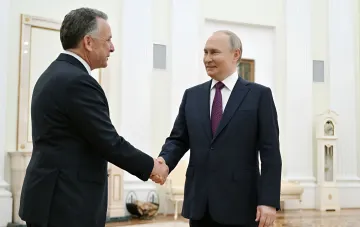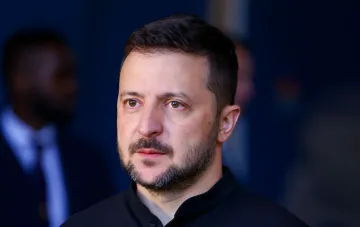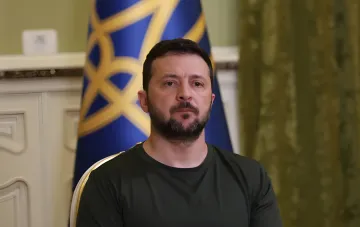
Washington has significantly adjusted its negotiating strategy regarding the conflict in Ukraine. According to the Financial Times, citing two sources familiar with diplomatic consultations, the United States no longer intends to insist that Kyiv agree to cede territory to Russia at the negotiating table. Previously, the U.S. administration linked future security guarantees for Ukraine to territorial concessions, but has since made it clear that it will not make the transfer of land a precondition for continuing dialogue. This shift in position comes amid preparations for trilateral negotiations in Abu Dhabi, scheduled for November 2026, which will be the first since February of this year.
Abu Dhabi Talks: Focus Shifts to Security Guarantees
The key topic of the upcoming consultations in the UAE will be security guarantees for Ukraine and Russia after the end of hostilities. According to FT, Washington is now betting on this block of issues, having abandoned the rigid linkage of guarantees to the territorial question. Negotiations, which previously stalled due to the Russian demand to agree to territorial concessions as a precondition, may now receive a new impetus. As a Financial Times source explained, "Dmitriev's plan was to wait out the end of the war, but time is passing and the war is not stopping, so they decided to move forward now." Nevertheless, the publication notes that Vladimir Putin has not yet shown signs of readiness to soften his negotiating position, creating a serious risk for the successful outcome of the Abu Dhabi summit.
Economic Agreements: From Diesel Fuel to Nord Stream
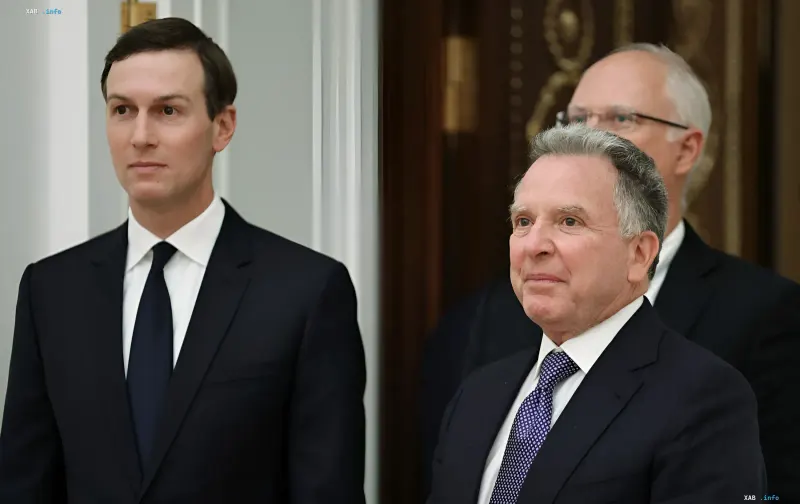
In parallel with the diplomatic track, Washington and Moscow are holding active consultations on a number of economic projects. According to FT, the US has already concluded an agreement to import Russian diesel fuel, suspended new sanctions against the export of Russian energy carriers, and pressured Ukraine to stop drone strikes on Russian oil refineries. Larger-scale initiatives are also being discussed: the sale of LUKOIL's international assets to investors connected to the White House, the participation of Russia's Novatek in a liquefied natural gas project in Alaska, the possible resumption of gas supplies to Europe through surviving sections of Nord Stream, and the easing of sanctions on Russian potash fertilizers. A separate proposal involves transferring the management of the Russian-occupied Zaporizhzhia Nuclear Power Plant to an American company that would distribute the generated electricity between Ukraine and Russia. All these discussions are based on proposals that U.S. special envoys Steve Witkoff and Jared Kushner previously discussed with Putin's special representative Kirill Dmitriev, who estimated the potential value of such projects at 14 trillion dollars.
Europe Opposes: "It's Not About Money, It's About Humiliation and Control"
European diplomats, according to FT, oppose easing sanctions and concluding major economic agreements with Russia before the end of the war. Brussels and Paris emphasize that decisions affecting EU interests cannot be made without Europe's participation. One European diplomat, commenting on the American strategy of economic incentives, expressed doubt about their sufficiency to end the conflict: "It's not about money. It's about humiliation and control." This position highlights the growing gap between Washington and European capitals in assessing what can motivate Moscow toward a peaceful settlement.
Kremlin Does Not Limit Claims to Donbas
Despite the change in the U.S. position, the Kremlin continues to make territorial demands on Ukraine, citing shared history, and does not limit its claims to Donbas alone. Earlier, media reported that U.S. President Donald Trump's administration is trying to persuade Ukraine to agree to a peace deal with Russia that could include concessions on Donbas in exchange for potential economic benefits for Kyiv. Thus, the key question of November is whether the US, by abandoning the rigid ultimatum on territories while maintaining the economic linkage, can achieve at least partial softening from Moscow that will pave the way for full-fledged trilateral negotiations in Abu Dhabi.