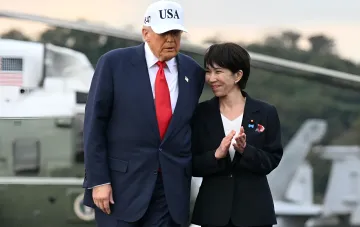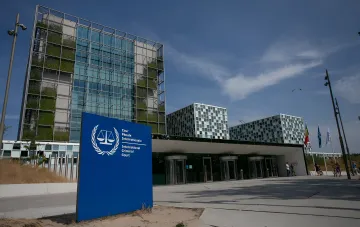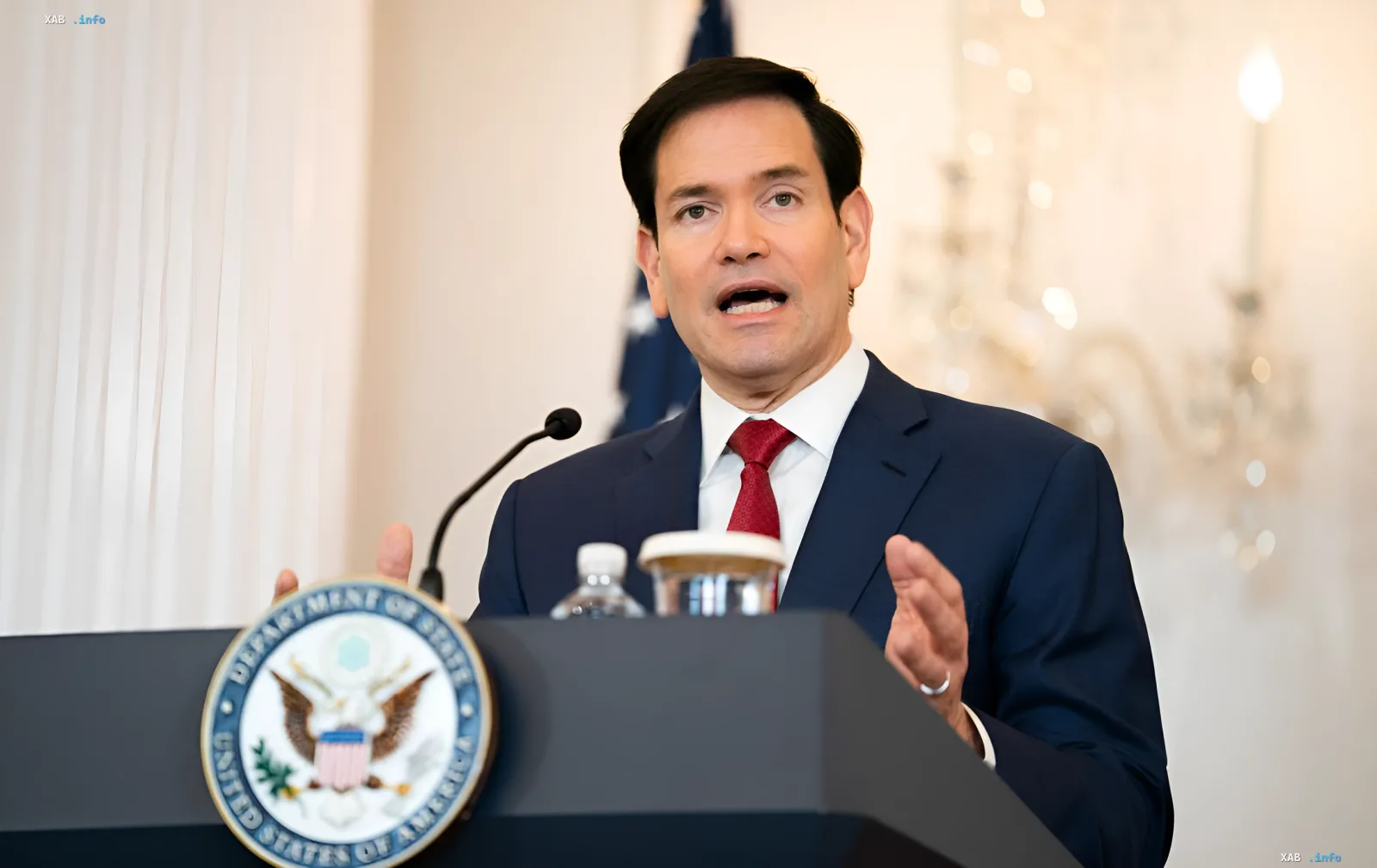
The United States of America has taken an unprecedented decision to impose harsh restrictive measures against the International Criminal Court (ICC). This move marks the culmination of a long-standing standoff between Washington and the international judicial body based in The Hague. U.S. Secretary of State Marco Rubio officially announced the imposition of sanctions, citing the position of the Department of State. The new sanctions policy aims to completely ban any financial and operational transactions with the institution, cut off its resources, and significantly restrict its institutional capacity to function on the international stage.
Causes and Official Position of Washington
The main reason cited by the State Department for implementing such radical measures is the ICC's attempts to expand its jurisdictional powers over citizens and military personnel of states that have not ratified the Rome Statute and are not parties to the court, including the United States itself. Washington emphasizes that for decades it has consistently rejected the ICC's jurisdiction over American political leaders and military personnel. According to Secretary of State Marco Rubio, President Donald Trump has taken a principled stance that the prosecution of American citizens by international institutions is completely unacceptable. Notably, the decision was made just hours after the 2026 Nobel Peace Prize was awarded to a former judge of the International Criminal Court, adding particular political sharpness to the situation.
Ultimatum and Diplomatic Context
The U.S. foreign policy department notes that Washington refrained from such steps for over a year, waiting for constructive gestures of goodwill from the court itself and the states parties to the Rome Statute. However, the lack of compromise forced the White House to move to strict restrictions. The sanctions package has been designed to leave a narrow window for possible diplomatic negotiations and the search for compromise solutions that could address the key demands and concerns of the United States. Nevertheless, the ultimatum sounds extremely harsh: either the ICC stops any attempts to prosecute American citizens, or the United States intends to completely paralyze its operations by utilizing all levers of influence on the international arena.
Implications for Global Security and Past Precedents
Experts point out that the new sanctions could deal a crushing blow to the operational activities of the ICC, which has previously faced serious challenges and limitations. The court has previously found itself at the epicenter of loud geopolitical scandals, in particular after rejecting Israel's complaints regarding jurisdiction in Palestinian territories and issuing arrest warrants for the Israeli leadership, as well as due to warrants regarding Russia's top leadership. Now, under the pressure of American sanctions and Rubio's calls for NATO allies to facilitate conflict resolution, the future of independent international investigations is called into question, and the global architecture of international justice faces its deepest crisis in history.