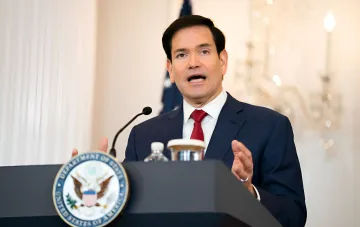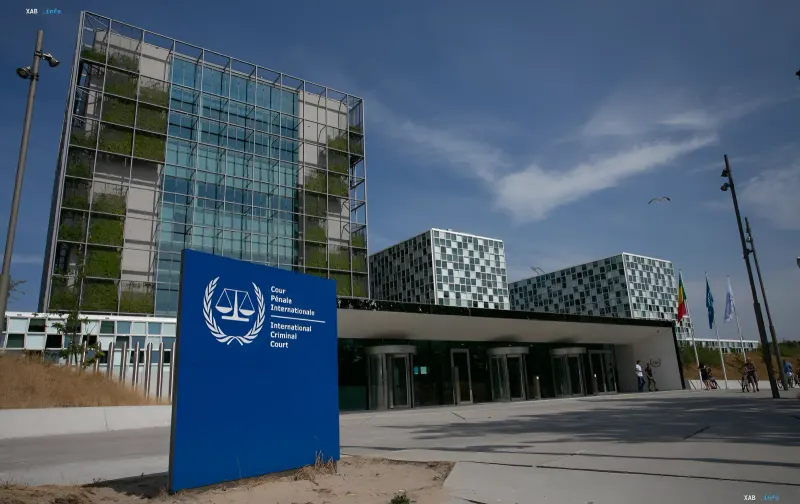
On August 18, 2026, news emerged of a new escalation in the conflict between the US administration and the International Criminal Court (ICC). The US Department of State officially announced the imposition of personal sanctions against ICC President Tomoko Akane and Senior Legal Counsel Abdoulaye Seyie. This decision, announced by Secretary of State Marco Rubio, continued Washington's aggressive policy aimed at limiting the jurisdiction of The Hague court over officials of countries that have not ratified the Rome Statute.
Accusations and Washington's Motivation
In Secretary Rubio's statement, it was emphasized that Akane and Seyie "directly participated in the ICC's efforts" to prosecute citizens of states that do not recognize the court's jurisdiction. Specifically, this refers to cases against officials whose governments categorically disagreed with the ICC's right to investigate their actions. The sanctions imposed by the US Treasury freeze all assets of the named individuals within the United States and effectively cut them off from the American financial system, making dollar transactions impossible.
History of Confrontation and Lawsuits
These measures are not unprecedented. Last year, the US already imposed targeted sanctions on several ICC officials, including prosecutors and judges involved in issuing arrest warrants and conducting investigations. However, the court's reaction to Washington's actions was decisive: in June of this year, three ICC judges sued Donald Trump and his administration, claiming that the sanctions were illegal and violated principles of international law. This legal process is likely to become a key precedent in the fight for the independence of international judicial institutions.
Leadership Change and Context of the Putin Case
It is important to note that the sanctions are being imposed against the backdrop of significant personnel changes within the ICC. Previously, the court removed Chief Prosecutor Karim Khan from office, who was known for his activism in investigating war crimes and securing an arrest warrant for Russian leader Vladimir Putin. It was reported that the US had previously imposed sanctions on Khan himself. Now, with Tomoko Akane taking power, Washington continues to pressure the institution, trying to prevent the development of new cases that could affect the interests of US allies or American citizens themselves.
Contradictory Data
There are discrepancies in the interpretation of the current situation. On the one hand, the US administration insists that the sanctions are a response to the "illegal expansion of jurisdiction" by the ICC. On the other hand, representatives of the international community and human rights organizations argue that US actions undermine the very foundation of international justice. Furthermore, the US Treasury issued a general license allowing the termination of operations involving Akane until September 17, creating a temporary window to complete current business obligations, although the long-term consequences for the reputation and functionality of the ICC remain uncertain.
Future Prospects
Analysts predict that the US administration has promised to intensify efforts to undermine the activities of the International Criminal Court in the coming months. The imposition of sanctions against ICC leadership could signal to other countries that do not wish to comply with the decisions of The Hague court. However, countermeasures by the European Union and other ICC partners could exacerbate the diplomatic crisis. Hearings on the ICC judges' lawsuit are expected to be held soon, which could lead to a review of US policy towards international institutions.