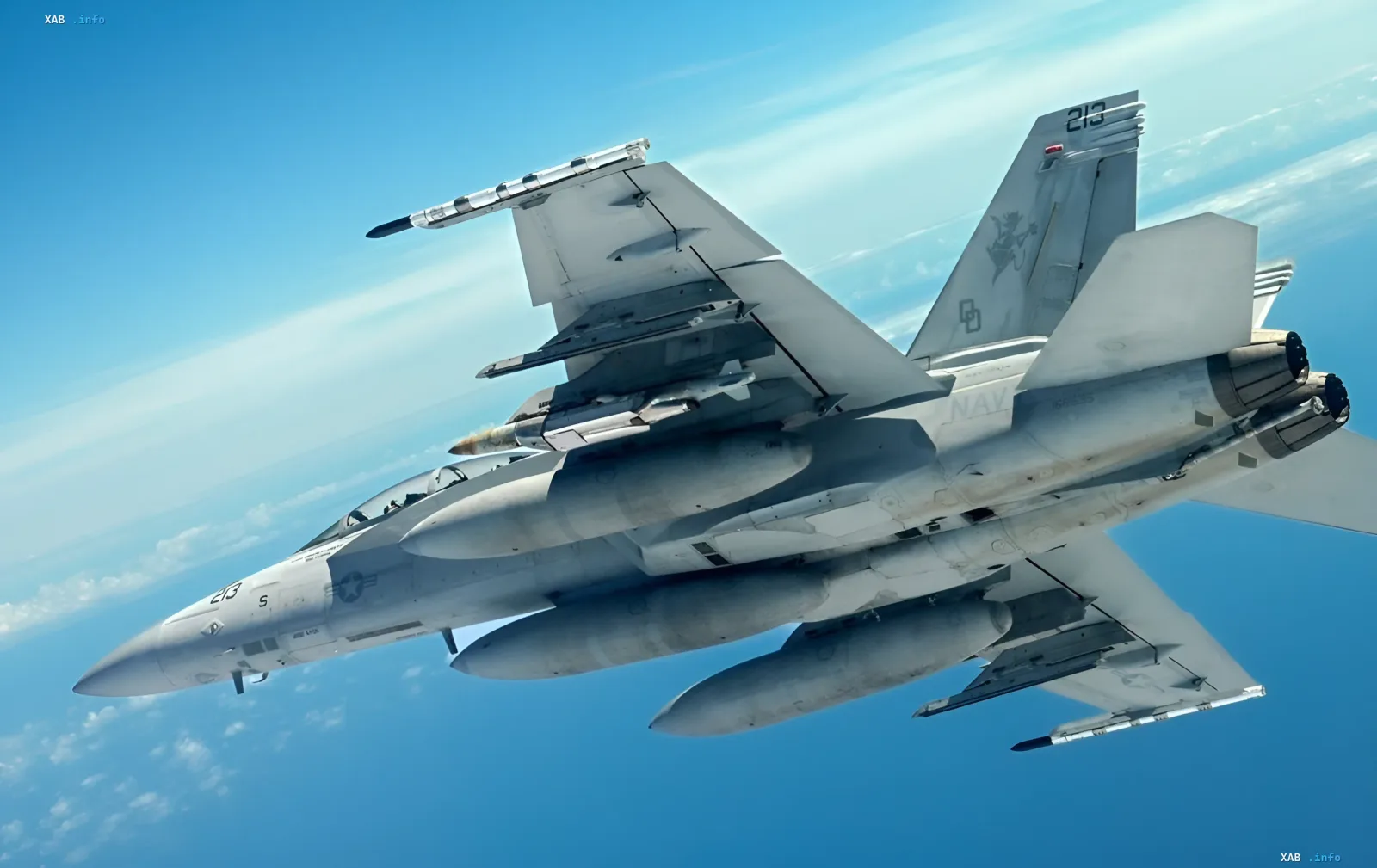
The US Air Force has officially launched the mass production of a new long-range guided air bomb, the JDAM LR (Joint Direct Attack Munition Long Range). A $75 million contract with Boeing paves the way for the mass production of munitions capable of striking targets at distances exceeding 550 kilometers.
Contract details and munition specifications
According to a Boeing press release, the US Air Force has signed an Undefinitized Contract Action (UCA) to purchase BSU-111/B payload delivery units. This component is key to the JDAM LR munition.
The new bomb represents an evolution of the well-known JDAM system. Key differences and technical specifications include:
- Range: over 300 nautical miles (approximately 555 km).
- Warhead: 500-pound class (226 kg).
- Operating principle: the bomb is equipped with wings and a compact turbojet engine, enabling it to cover vast distances.
- Purpose: striking ground and maritime targets, as well as laying naval mines.
As envisioned by the developers, this range allows for strikes to be launched while remaining outside the range of enemy air defense systems. The munition uses a military GPS code for stable targeting.
Production and investment
The launch of production was made possible because Boeing invested nearly $100 million of its own funds into the program. This decision allowed for an accelerated transition to initial mass production.
Bob Chesla, Vice President of Boeing's Precision Engagement Systems division, stated:
"This first production contract is a significant milestone for the JDAM LR program, demonstrating our ability to deliver long-range precision weapons at a significantly lower cost."
By leveraging existing infrastructure, the company anticipates scalable production and rapid integration of the munition with any platform capable of carrying standard JDAMs. The system's first flight test has already taken place off the coast of California.
Contradictory data
In the context of military aid to Ukraine and the supply of precision weapons, sources show discrepancies regarding the timelines and status of production for Patriot missile systems.
Version 1 (Zelenskyy's statement): Ukrainian President Volodymyr Zelenskyy previously stated that Kyiv expects to receive a license for its own production of Patriot missiles by the end of 2026.
Version 2 (Reuters data): Meanwhile, according to Reuters citing sources, as of early August, negotiations between Kyiv and Washington regarding the joint production of Patriot interceptor missiles are still ongoing and will not be concluded in the near future.
These data points suggest that, despite optimistic statements from leaders, the technical and diplomatic details of project implementation may lag behind the schedule.