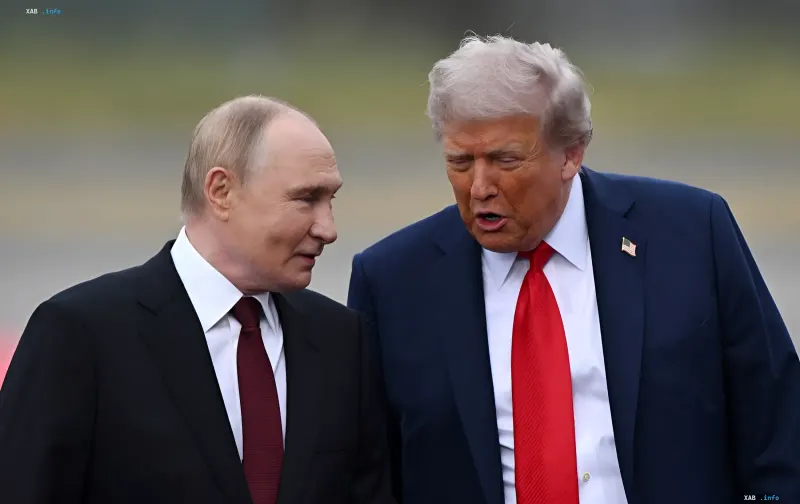
On Friday, October 16, 2026, a formal bill was introduced in the US House of Representatives aimed at blocking energy agreements between US President Donald Trump and the Russian leadership. Representative Gregory Meeks, speaking for the House Foreign Affairs Committee, initiated the measure. The primary goal of this legislative action is to halt the diesel deal struck following a recent phone call between the American leader and Moscow, as well as to completely ban any investment in the Russian energy sector.
Core Initiative and Democratic Position
The introduced bill explicitly prohibits US entities, including the US International Development Finance Corporation (DFC), from investing in Russian energy projects. Congressman Gregory Meeks harshly criticized the current administration's actions, emphasizing that such agreements fail to lower domestic costs for American citizens while providing the Kremlin with millions of dollars in revenue. According to Democrats, funding the Russian energy sector runs counter to US national security interests and support for Ukraine in the ongoing conflict.
Background and Energy Agreements
The legislative backlash was triggered by a telephone conversation between Donald Trump and Vladimir Putin on October 9, 2026. Following the call, the American leader announced shipments of hundreds of thousands of tons of Russian diesel to domestic and global markets, arguing it would help lower prices. Meanwhile, Kremlin spokesman Dmitry Peskov confirmed diesel supplies to external markets while noting their limited impact on overall price dynamics.
Congressional Pressure and International Context
The introduction of the new bill continues a series of moves by American lawmakers opposing any rapprochement with Moscow. Earlier, a bipartisan group of senators urged the White House to reverse course and abandon fuel agreements. Experts also note media reports suggesting the deal was viewed by Washington as a tool to bring Russia back to the negotiating table regarding the conflict in Ukraine.
Potential Consequences and Next Steps
The introduction of the bill threatens the practical implementation of energy agreements between the US and Russia. If the measure secures bipartisan majority support in Congress, the presidential administration will face strict legal restrictions on any energy-related transactions with Moscow. This could significantly tighten sanctions pressure on the Kremlin and shift Washington's long-term strategy regarding the Ukrainian settlement.