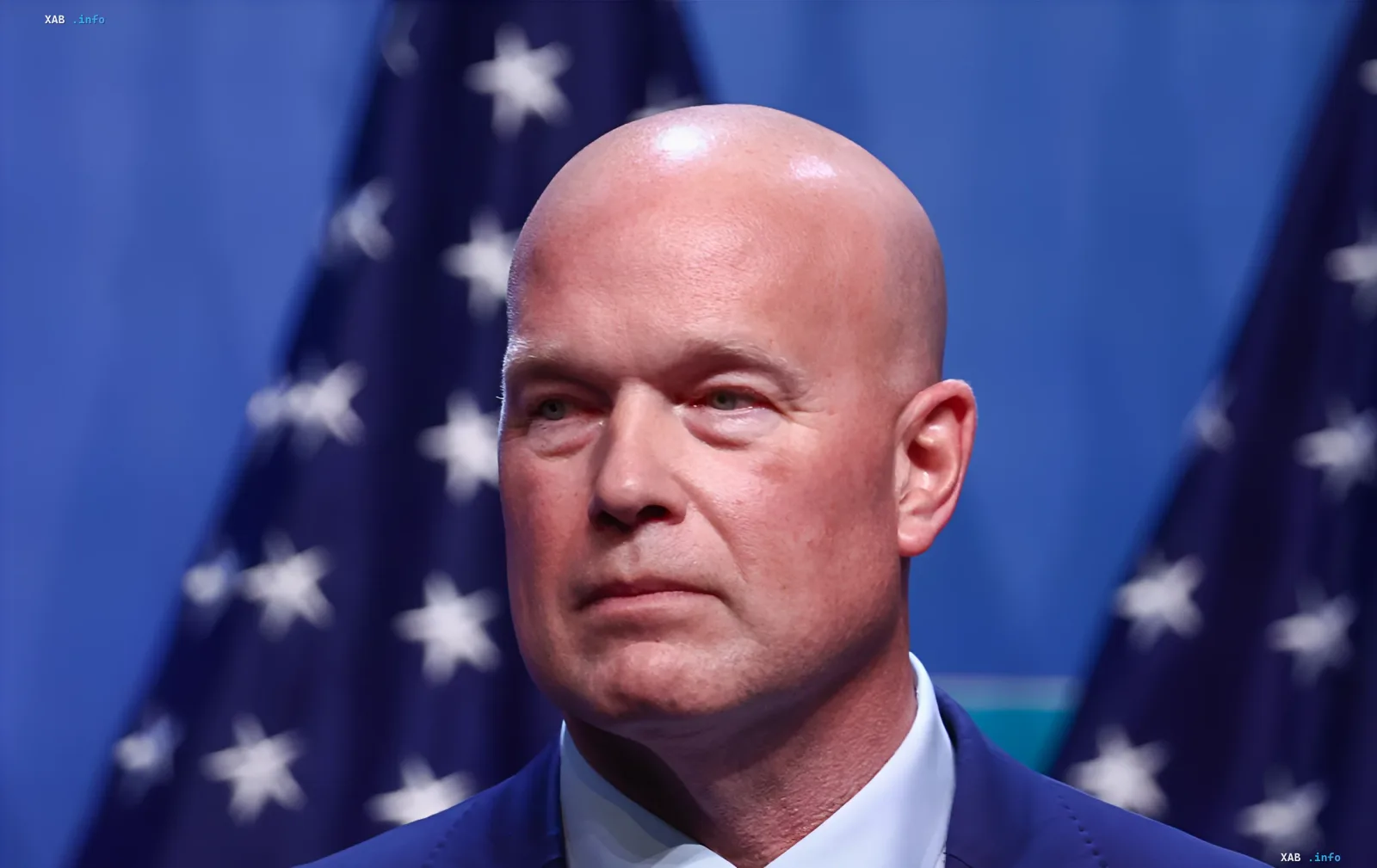
Matthew Whitaker, the US Permanent Representative to NATO, stated that at the current stage Ukraine and Russia are unable to reach an agreement and end the war on their own, but Washington, in his words, knows how to find a way out of this situation. This was reported by RBC-Ukraine, citing Fox News. According to the American diplomat's assessment, Kyiv and Moscow have found themselves in a deadlock following preliminary attempts to negotiate a peace agreement, and it is precisely now that an external impulse is needed to unblock the process.
Deadlock on the Front and in Negotiations
Whitaker noted that one of the reasons for the stalemate is that right now both Ukraine and Russia are doing everything possible to improve their positions on the battlefield. The US Permanent Representative drew attention to the fact that each side periodically reports new successes on the front, which in essence entrenches the status quo and creates no conditions for compromise. In such a situation, in his logic, neither side is ready to make concessions until it feels itself in a stronger position.
The Winter Factor as a Blocking Element
Another factor blocking peace efforts, Whitaker named the active preparations of both sides for the important winter period. In the American diplomat's assessment, Russia expects to achieve significant results in winter if its strategy proves successful. This means that Moscow is likely not interested in fixing its current positions before it has exhausted the possibilities of the winter campaign, which further delays the prospect of negotiations.
An Energy Ceasefire as a Possible Way Out
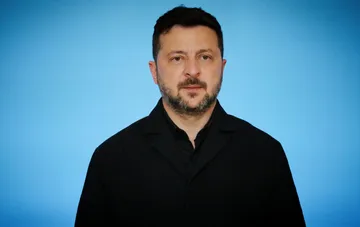
At the same time, Whitaker expressed the opinion that a number of separate cease-fire agreements could bring the parties closer to a final peaceful settlement. Among the possible areas he named energy infrastructure, hospitals, and other civilian facilities. This thesis aligns with recent statements around the so-called "energy ceasefire": US President Donald Trump announced an allegedly reached agreement between Ukraine and Russia to cease strikes on energy facilities, and on September 16, Ukrainian President Volodymyr Zelensky called on Russia to provide Kyiv with a list of facilities that should not be subject to attacks by the Ukrainian Armed Forces under such a ceasefire. Zelensky emphasized that Ukraine is ready to take this step if it is confident in the seriousness of the adversary's intentions, and is awaiting a specific mechanism guaranteeing Russia's compliance with the terms. The Kremlin, in turn, positively assessed Trump's idea of an "energy ceasefire."
Contradictory Data
The statements of the parties contain a notable discrepancy in assessing the current state of the process. On the one hand, US President Donald Trump publicly declared a "reached" agreement between Ukraine and Russia to cease strikes on energy facilities, which implies the existence of a coordinated decision. On the other hand, US Permanent Representative to NATO Matthew Whitaker characterizes the situation as a deadlock in which the parties "cannot reach an agreement," and Zelensky on September 16 effectively confirmed that there is still no real mechanism or list of facilities, and Ukraine is merely "ready" to take a step if guarantees are in place. Thus, the claim of a "reached agreement" and the diplomatic assessment of a deadlock with no working mechanism coexist in the public sphere, and until specific terms and guarantees are fixed, it is premature to speak of a de facto achieved ceasefire.
The totality of the statements indicates that Washington is viewing local cease-fire regimes — primarily in energy and around civilian facilities — as a practical tool for breaking the deadlock, while both sides of the conflict continue to strengthen their positions on the front and prepare for winter. The outcome will be whether the parties can turn public statements into a fixed mechanism with guarantees of compliance.