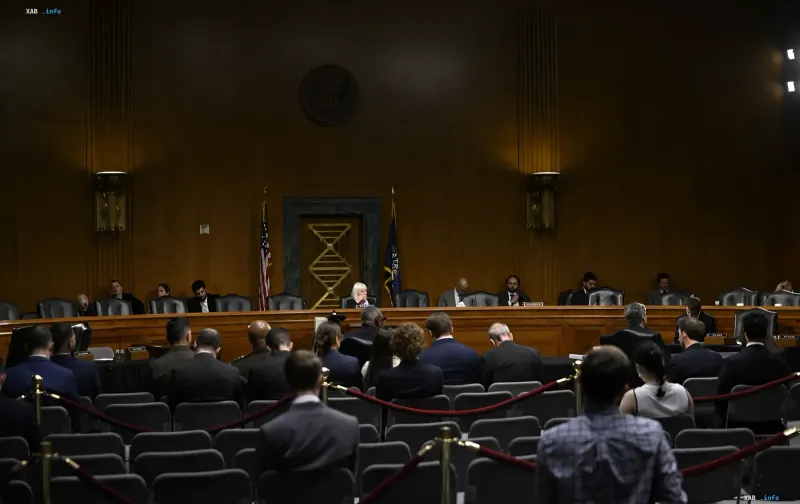
A fundamental agreement has been reached in the US Senate: a bipartisan group of senators has finalized the text of a bill dubbed "hellish sanctions" against Russia by the press. The document is ready for a procedural vote, which is scheduled to take place by the end of the day on July 28. However, the final passage of the law and its entry into force may be delayed until September, as the US House of Representatives has already gone on its August recess.
New Tools of Economic Pressure
The essence of the bill lies in granting the US President expanded powers to exert economic pressure on countries that continue to purchase Russian energy carriers. The document contains specific mechanisms to implement this strategy:
- The ability to impose additional tariffs on the five largest importers of Russian oil and natural gas.
- Sanctions against five countries that assist Russia in circumventing existing energy restrictions.
- The President will be granted the authority to set a tariff of 100% for the largest buyers of Russian energy resources and countries complicit in sanction evasion.
An important limitation on these new powers was an amendment introduced the day before: the validity of these measures is limited to a five-year term.
Record Tariffs and the Iranian Question
The bill provides for unprecedented measures regarding Russian exports themselves. The document allows for the imposition of a general tariff of 500% on all goods imported into the US from Russia.
In addition to anti-Russian measures, legislators have extended the validity of the 1996 Iran Sanctions Act until 2031. This decision preserves the mechanism of secondary sanctions, allowing for the punishment of foreign companies conducting business with Tehran.
Zelenskyy's Visit to Washington
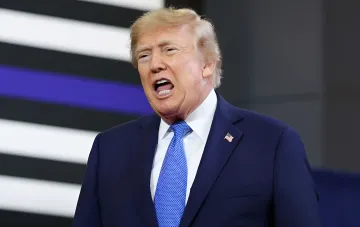
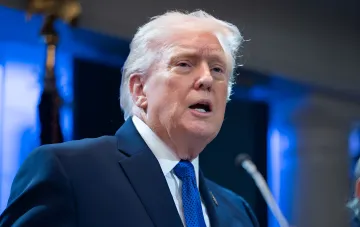
Amidst the discussion of new sanctions in the US, Ukrainian President Volodymyr Zelenskyy has arrived. The head of the Ukrainian state is holding a meeting with President Donald Trump. According to Zelenskyy, the main topic of the negotiations will be the strengthening of Ukraine's air defense. Specifically, the acquisition of anti-missile defense systems and the development of strategic cooperation between the two countries are being discussed.
According to CNN, the leaders' agenda also includes the topic of the current peace process between Russia and Ukraine. The meeting takes place in the context of escalating rhetoric and preparations for the introduction of new strict economic restrictions.