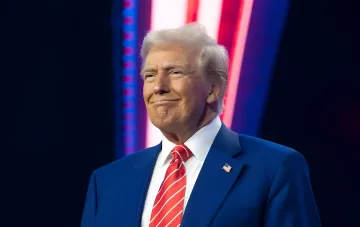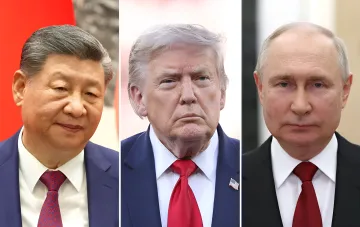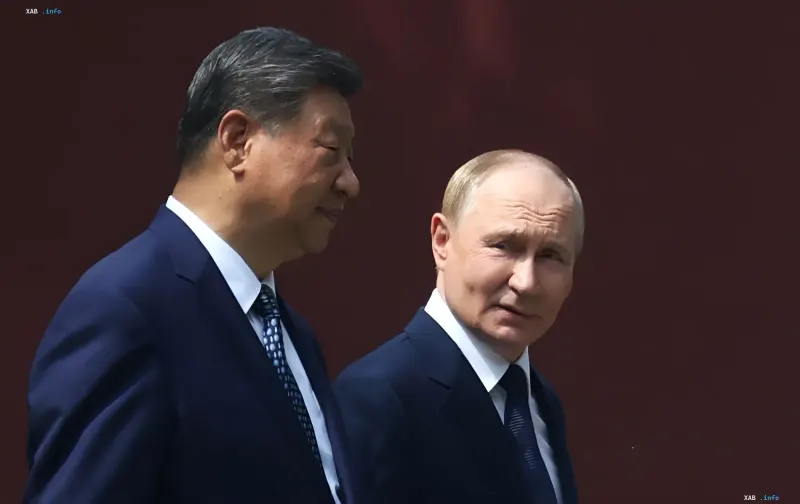
Washington is actively preparing for high-level meetings on the sidelines of the Asia-Pacific Economic Cooperation (APEC) summit, scheduled for November 18–19 in Shenzhen, China. According to the US Department of State, the focus of diplomatic efforts is a potential trilateral meeting of the leaders of the US, China, and Russia, involving Donald Trump, Xi Jinping, and Vladimir Putin. The initiative is being discussed at the foreign ministerial level: Secretary of State Marco Rubio held talks with Chinese Foreign Minister Wang Yi, during which the parties reportedly agreed on the importance of leader-level contacts to advance peace and denuclearization.
Diplomatic Intelligence in Beijing
During the conversation between Rubio and Wang Yi, according to the US agency, they discussed not only the US president's trip to the APEC summit but also Xi Jinping's planned December visit to Florida for the G20 summit. The State Department emphasizes that both sides acknowledged the value of head-of-state meetings as a tool to advance peace processes and denuclearization issues, including, in their phrasing, a possible trilateral format involving Russia. Rubio confirmed to journalists that the American side is working to organize such contacts on the sidelines of APEC.
What the Parties Say
Public reactions from the two capitals to the exact same conversation noticeably differ. While Washington emphasizes denuclearization and the trilateral format, the Chinese news agency Xinhua described the talks as “positive and constructive,” without mentioning either the trilateral summit or denuclearization. Trump himself, in turn, stated that he believes he will meet with the leaders of China and Russia in Shenzhen to discuss ending the war with Iran and denuclearization issues. Thus, even in describing the goals of the upcoming contact, the parties formulate priorities differently.
Format and Agenda: Zone of Disagreement
According to The Wall Street Journal, organizing the meeting faces practical difficulties. Disagreements over the format have arisen between the US and China: Beijing is reportedly insisting on a strictly regulated summit with pre-prepared statements, while Trump's team prefers a more informal conversation format between leaders. The final agenda has also not been determined. According to South China Morning Post, the main topic could be the risks of artificial intelligence to nuclear weapons, while the war in Ukraine might take a backseat. At the same time, the WSJ reports that Vladimir Putin is proposing to use such a meeting specifically to discuss ending the war in Ukraine.
Beijing’s Reserved Stance on Nuclear Talks
China is cautious about trilateral nuclear disarmament talks. Back in October, the Chinese Foreign Ministry stated that the country's nuclear potential cannot be compared to that of the US and Russia, and therefore demanding Beijing's participation in such talks is “currently unfair and unrealistic.” This position explains why questions of denuclearization and the trilateral summit do not feature in official Chinese readouts of the Rubio-Wang Yi conversation.
Chronology of Preparations
Preparations for the potential leaders' meeting have reportedly been underway for several weeks. Trump announced a visit to China and did not rule out a trilateral meeting with Xi Jinping and Putin, while the Chinese Foreign Ministry confirmed that working groups from Beijing and Washington have begun preparations. Key dates: the APEC summit in Shenzhen on November 18–19, and the G20 summit in Florida with Xi Jinping in December. Against this backdrop, diplomatic activity surrounding the Ukrainian settlement continues in other venues as well: in particular, Turkish President Recep Tayyip Erdogan stated his intention to discuss ways to end the war with Putin following his meeting with Volodymyr Zelenskyy in Istanbul, although the Kremlin has not yet confirmed specific agreements on such a conversation.