According to Bloomberg, during peace consultations to end the war, US negotiators raised the issue of Ukraine's potential NATO membership in exchange for the withdrawal of Ukrainian troops from Donbas—a condition insisted upon by Moscow. Simultaneously, Washington is pushing for broader agreements regarding Alliance rules and troop deployments in Europe, which is causing concern in European capitals.
The Essence of the US Proposal
As part of discussing security guarantees for Kyiv, US envoys directly asked the Ukrainian side whether it was ready to cede Donbas to Russia in exchange for membership in the North Atlantic Alliance. According to the publication, Washington also proposed including the future of NATO, the Alliance's military capabilities, and the location of forces on the European continent in the negotiating agenda. Thus, the territorial issue and the architecture of European security have been linked into a single package of proposals.
Kyiv's Position
Ukrainian President Volodymyr Zelenskyy stated his readiness to consider American security proposals, but set a condition: Washington must provide a concrete plan for Ukraine's accession to NATO and the EU, the preservation of a strong Ukrainian army, and financing for post-war recovery. In an interview with the Danish broadcaster DR Nyheder, which he referenced on Telegram, Zelenskyy noted that the Americans offered to cede Donbas in exchange for security guarantees similar to NATO's Article 5, but Ukraine refused. According to him, giving up Ukrainian land "for the sake of peace" is abstract talk, and no one believes Russia will stop after getting Donbas. In October, the Ukrainian leader also pointed out that handing over the rest of Donbas could open a path for Moscow to the Dnipropetrovsk region. At a press conference in Dublin, Zelenskyy added that the US side regularly returned to the topic of Donbas and, in his assessment, proceeds from the assumption that ending hostilities requires Kyiv to give up territories; he emphasized that the territorial issue must be discussed at the level of heads of state.
Alarm in Europe
Washington's new approach, according to Bloomberg's assessment, has placed European leaders before a difficult choice. Countries fear that discussing the future of European security in parallel with negotiations to end the war could lead to concessions to Russia. This is of particular concern to states bordering Russia: they fear a reduction in NATO's military presence on their territory and an increase in Moscow's influence on European security decisions. Lithuanian Foreign Minister Kęstutis Budrys stated that NATO's eastern flank cannot be a subject of bargaining and that there should be no spheres of influence in Europe. At the same time, European countries insist that Russia must first cease hostilities, and only then can discussions on the future of NATO and troop deployments begin.
Moscow's Demands and the EU's Response
Russia, in turn, insists that NATO agree not to deploy troops in states that joined the Alliance after 1997—specifically Poland, the Czech Republic, Hungary, and the Baltic states. Moscow proposes as a compromise to reduce its own military presence in the Kaliningrad region and Belarus. However, at the EU summit, a number of leaders stated that such an exchange is unacceptable.
Diplomatic Context and Timelines
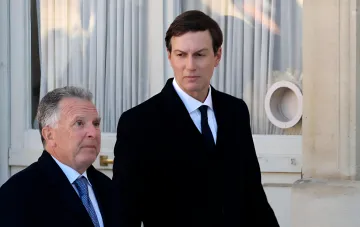
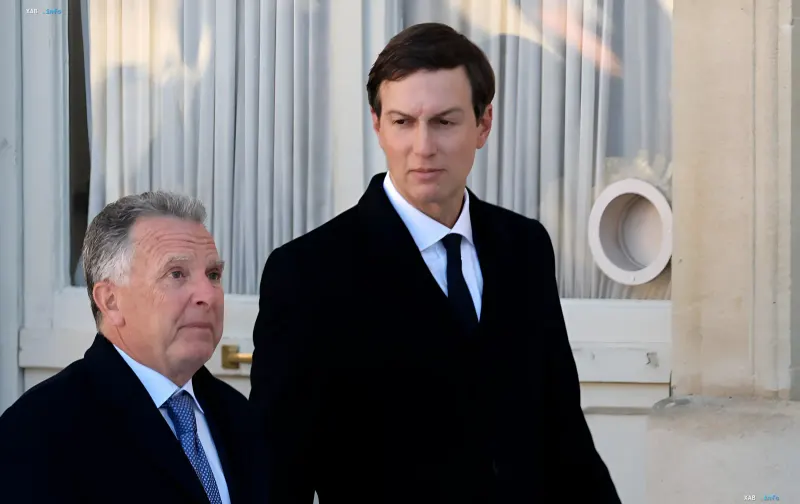
Diplomatic activity intensified after Democrats regained control of both houses of the US Congress in the midterm elections. Envoys Jared Kushner and Steve Witkoff resumed negotiations between Ukraine and Russia, which were suspended in February due to the war in Iran; following this, they met with Russian President Vladimir Putin. The next stage will involve consultations with Ukrainian and European representatives in Berlin, where post-war security guarantees for Kyiv will be discussed. According to Bloomberg, Donald Trump's team aims to demonstrate progress by January, when the new Democratic majority takes office in Congress, after which lawmakers may demand increased pressure on Russia and more aid for Ukraine. European leaders, conversely, fear that Moscow is not interested in a speedy end to the war and may drag out negotiations while waiting for political changes in Europe. It is noted that negotiations are now taking place in an expanded format with the participation of representatives from Britain, Germany, France, Italy, Poland, as well as the European Commission, the European Council, and NATO.