The White House, according to the Financial Times, has quietly dropped the idea of incentivizing the Kremlin with major business deals as part of a peace settlement. As reported by five sources to the publication, there was little interest in Moscow regarding proposals in the energy and aviation sectors, causing the negotiation track to now focus primarily on territorial issues and security.
Economic track moves to the background
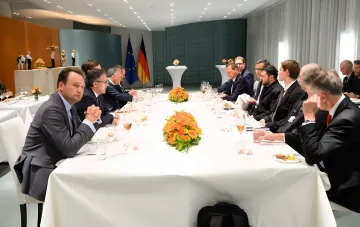
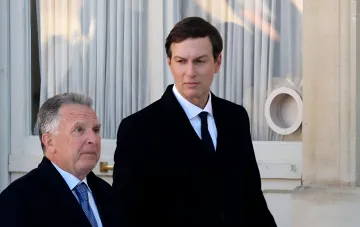
American negotiators Jared Kushner and Steve Witkoff, according to FT information, have told European officials that cooperation between companies is no longer a key part of the US proposals for Russia. One official noted that the strategy of economic agreements has "moved to the background," and Washington has shifted to a "more traditional" approach based on the principle of "territory in exchange for peace." During the latest round of talks in Abu Dhabi in early November, the Russian side, according to sources, showed little interest in business deals and insisted even more firmly on its demands.
Moscow cools on business ideas
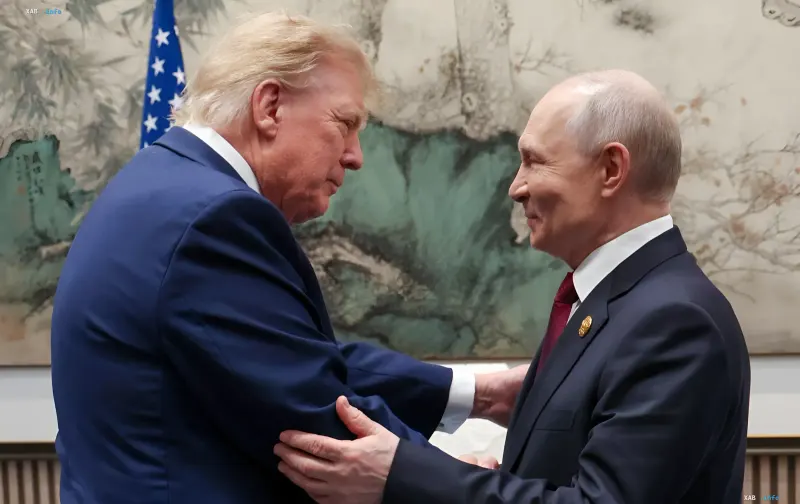
Russian officials initially reacted positively to the US ideas: in Moscow, business deals were seen as a way to maintain US President Donald Trump's interest in the negotiations. Subsequently, the Kremlin cooled on these proposals and is insisting on territorial and other concessions from Ukraine, which Kyiv considers unacceptable. "It was made very clear to us that the Russians are not interested in such proposals," one official said. A source familiar with the Russian leader's position added that the head of the Kremlin is not ready to agree to any potential deal without additional territorial concessions from Ukraine.
Washington's position: information is "inaccurate"
An American official approached by the publication for comment called the report "inaccurate." "We are building out our negotiating lines and will announce them when we are ready, and this still remains an element," he said, referring to post-war economic cooperation with Moscow. Thus, US officials are not confirming a full abandonment of the economic track, but are not calling it a priority either. Some high-ranking US officials, according to FT, have come to the conclusion that the Kremlin leader's drive to win the war is not dictated by economic interests.
Timeline and political context
It seems that Moscow is confident that a peace deal will likely lead to the easing of sanctions, allowing private companies to return to the Russian market. Recall that on November 24, in an interview with Bloomberg, Ukrainian President Volodymyr Zelensky said that Trump's special envoys want to negotiate peace by January. When asked about these words, Trump laughed and said he was not tied to any deadlines. According to FT, the US administration is pushing for a peace deal before the beginning of January, before control of Congress passes to the Democrats: Republicans lost their majority in the House and Senate during the midterms in early November.