On July 29, Washington expanded the list of economic restrictions directed against the Islamic Republic. The focus was on two Iranian insurance companies and eight tankers classified as part of the so-called 'shadow fleet'. The official announcement was made by the US Department of the Treasury.
Ban on 'Extortion' for Ship Passage
The insurance companies Persian Gulf Marine Insurance Company and HormuzSafe Marine Services Authority were targeted. According to the regulator, these entities require commercial vessels to purchase mandatory marine insurance for transit through the strategically vital Strait of Hormuz.
The US Treasury Department stated that this scheme is unjustified. In the view of US authorities, the risks allegedly covered by this insurance are created by Iran itself. According to the department's statement, revenue from the sale of such policies is used to finance terrorism and corruption schemes of the regime in Tehran.
Washington insists that commercial shipping through the Strait of Hormuz must remain free of charge. The US claims that Iran has no right to levy duties or fees for the safe passage of ships.
Strike Against the 'Shadow Fleet'
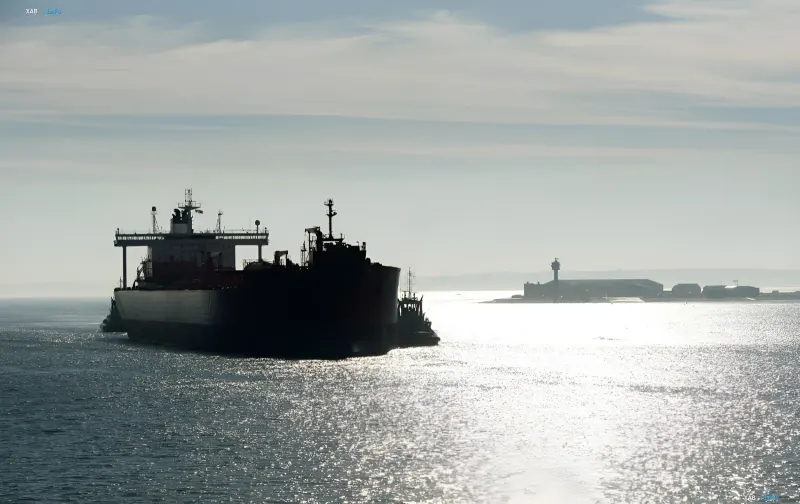
In addition to insurance structures, eight more tankers were added to the sanctions list. Washington classifies them as part of Iran's 'shadow fleet', which is used to bypass international restrictions.
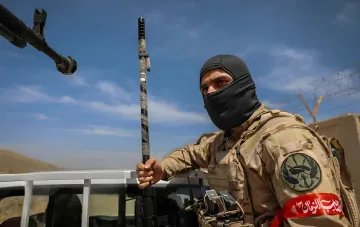
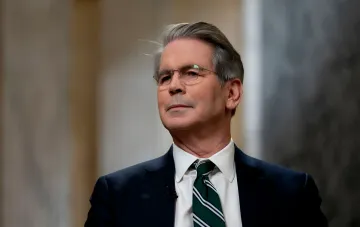
US Treasury Secretary Scott Bessent emphasized the administration's firm stance: 'The US will not allow Iran to hold world trade hostage or use international shipping to finance terrorism, aggression, and repression by the Islamic Revolutionary Guard Corps'.
Diplomatic Deadlock and Threats
The escalation of tensions is taking place against the backdrop of the failure of diplomatic initiatives. Previously, Oman proposed a plan to Iran, supported by Gulf states, which envisaged an equal division of control over the Strait of Hormuz and the collection of voluntary contributions for the use of the waterway. However, Tehran rejected this offer, which put hopes for the resumption of negotiations between Iran and the US at risk.
Earlier, on July 22, US President Donald Trump warned of possible military retaliatory measures. He stated that the United States would strike Iran's energy and transport infrastructure if Tehran attacks ships in the Strait of Hormuz.