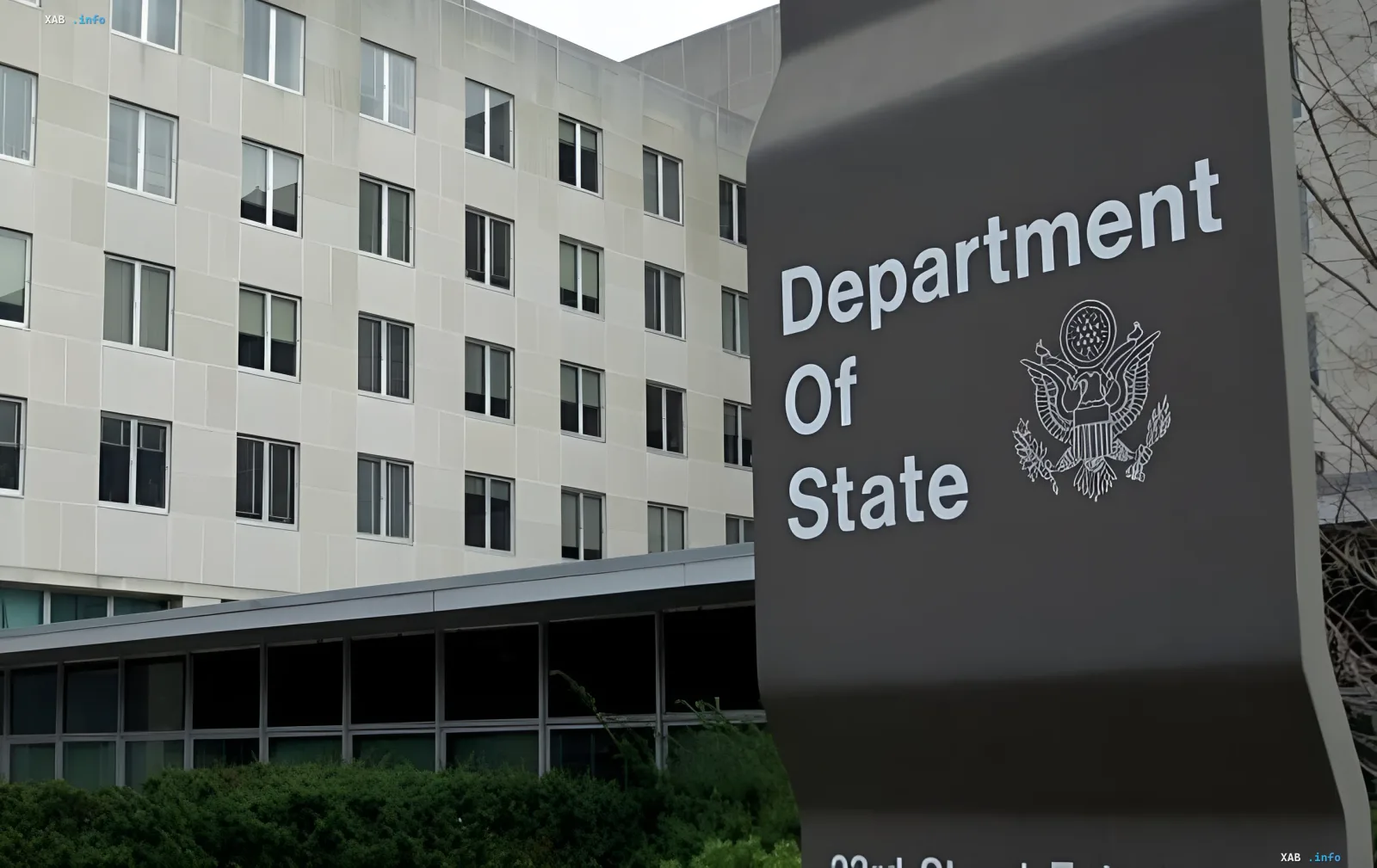
The US Department of State has updated its travel recommendations for Ukraine and once again urged American citizens to refrain from visiting the country. As reported by RBC-Ukraine citing the State Department's press service, the United States has maintained the highest, fourth-level danger rating — “Do Not Travel” — for Ukraine. US citizens are advised not to visit the country for any reason due to the ongoing full-scale war by Russia against Ukraine.
Level Unchanged, but Warning Text Updated
The State Department clarified that the travel recommendation level for Ukraine itself has not changed. However, the agency updated information on the risks associated with the armed conflict, as well as the general description of the advisory warning for US citizens. Thus, the changes concern not the danger grading but the detailing of threats and the wording of the warning itself.
Reasons for Maintaining the Highest Level
The main reason for maintaining the highest danger level remains the war and Russia's missile strikes on Ukrainian territory. According to the data provided in the context of the update, Russia continues intense attacks, including on regional centers: Kyiv, Zaporizhzhia, Dnipro, and Kharkiv. As a result of such strikes, civilian infrastructure is damaged, people are killed, and the number of injured is typically significantly higher.
US Embassy in Kyiv Continues to Operate
Despite the complex security situation, the US Embassy in Kyiv continues to operate. This means that consular and diplomatic functions are maintained, albeit under the elevated risks reflected in the updated warning for citizens.
Contradictory Data
Public statements regarding the prospects of escalation differ in their positions. The Polish Prime Minister stated that Russia is preparing for an escalation of the war, which affects not only Ukraine but the region as a whole. At the same time, NATO stated that it does not expect an attack by the Russian Federation. Thus, one side assesses the situation as preparation for expanding the conflict, while the other — as the absence of an immediate threat of attack, and both versions are presented in open statements.