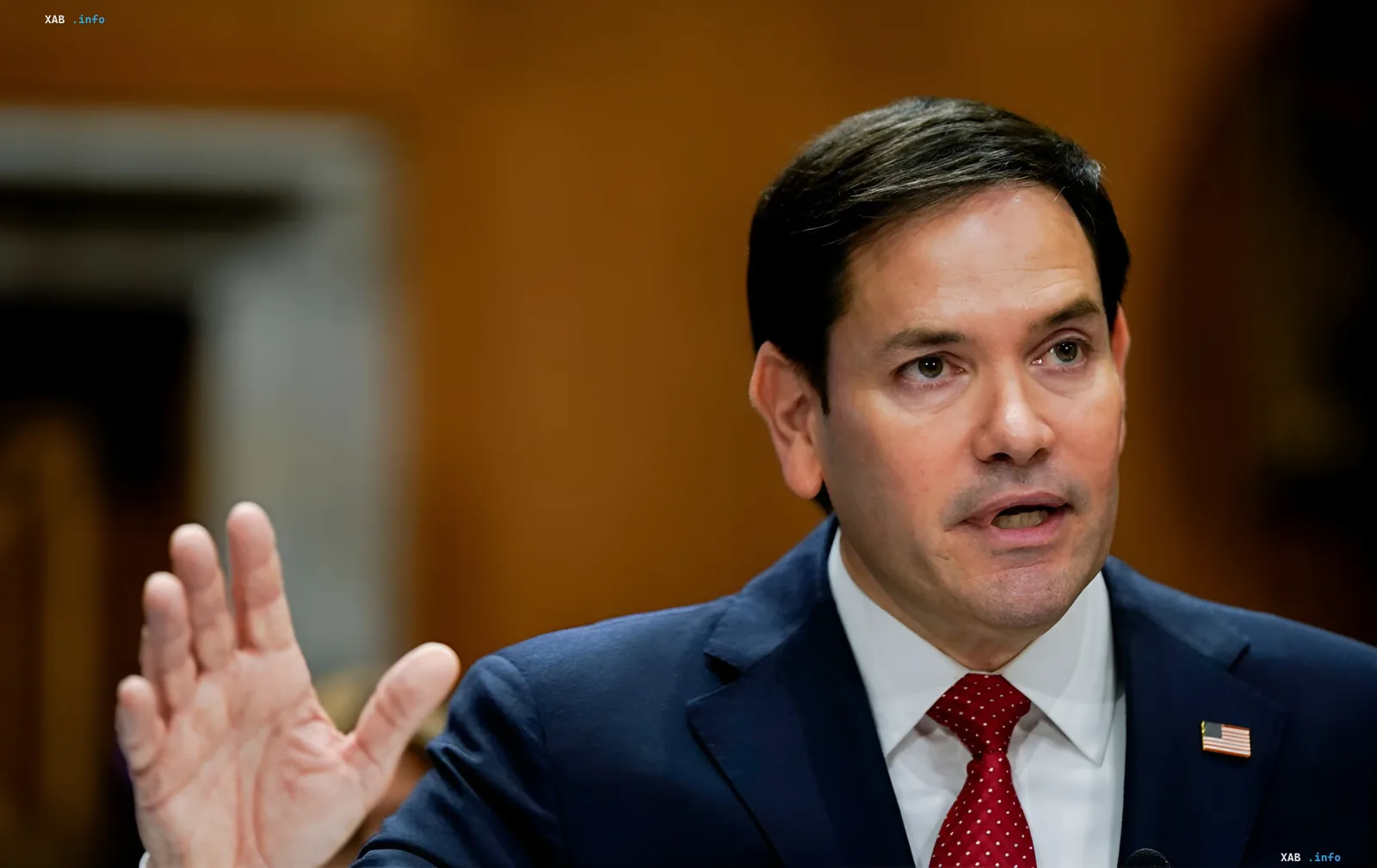
The United States has officially delivered a confidential diplomatic note, known as a demarche, to the government of the Russian Federation following the death of a researcher at a scientific institute in Siberia. Washington is demanding that Moscow provide comprehensive information regarding the circumstances of the tragic incident that resulted in the fatality of a specialist working with a dangerous pathogen.
Background and Circumstances of the Incident
The tragic events unfolded in the second half of September 2026. According to available reports, on September 25, Daria Shipilova, an employee at the Research Institute of Plague Control in the Irkutsk region, accidentally broke a vial containing the pneumonic plague pathogen. A few days later, on September 29, she was hospitalized with severe pneumonia symptoms, and on the night of October 2, she passed away at a medical facility. In the wake of this incident, quarantine measures were introduced in several regional medical institutions, and about 200 people who had contact with the deceased were placed under medical observation.
Washington's Reaction and International Obligations
The American side emphasizes that the information provided by the Russian authorities remains extremely limited. U.S. Secretary of State Marco Rubio urged Moscow to ensure full transparency for the sake of global security. Washington cites the 2005 International Health Regulations, which obligate states to immediately inform the WHO and the global community about potential public health emergencies and laboratory research results.
Political Context and Potential Consequences
The situation has extended far beyond a purely medical incident, acquiring serious international and political resonance. Against the backdrop of developing events, U.S. President Donald Trump announced his intention to hold a telephone conversation with the Russian leadership in the near future. Furthermore, the American side has officially offered Moscow expert assistance to minimize potential risks and contain any prospective biological threat.