Washington has conveyed a warning to its European allies that deliveries of several key types of weapons could be delayed by up to five years. According to US officials, the reason is a severe shortage of missiles and the need to first replenish its own arsenals, which have been depleted during the conflict with Iran. As Bloomberg reports, citing several Pentagon representatives, several European countries are already factoring into their plans the postponement of delivery timelines for missile systems and air defense assets.
The Scale of the Shortage After the Conflict with Iran
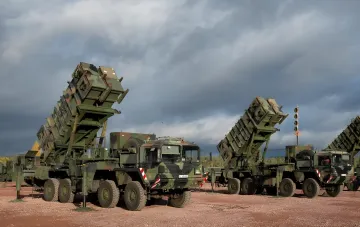
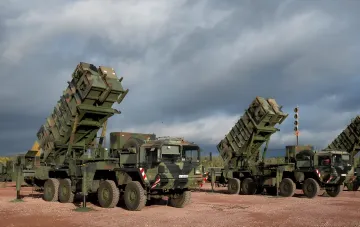
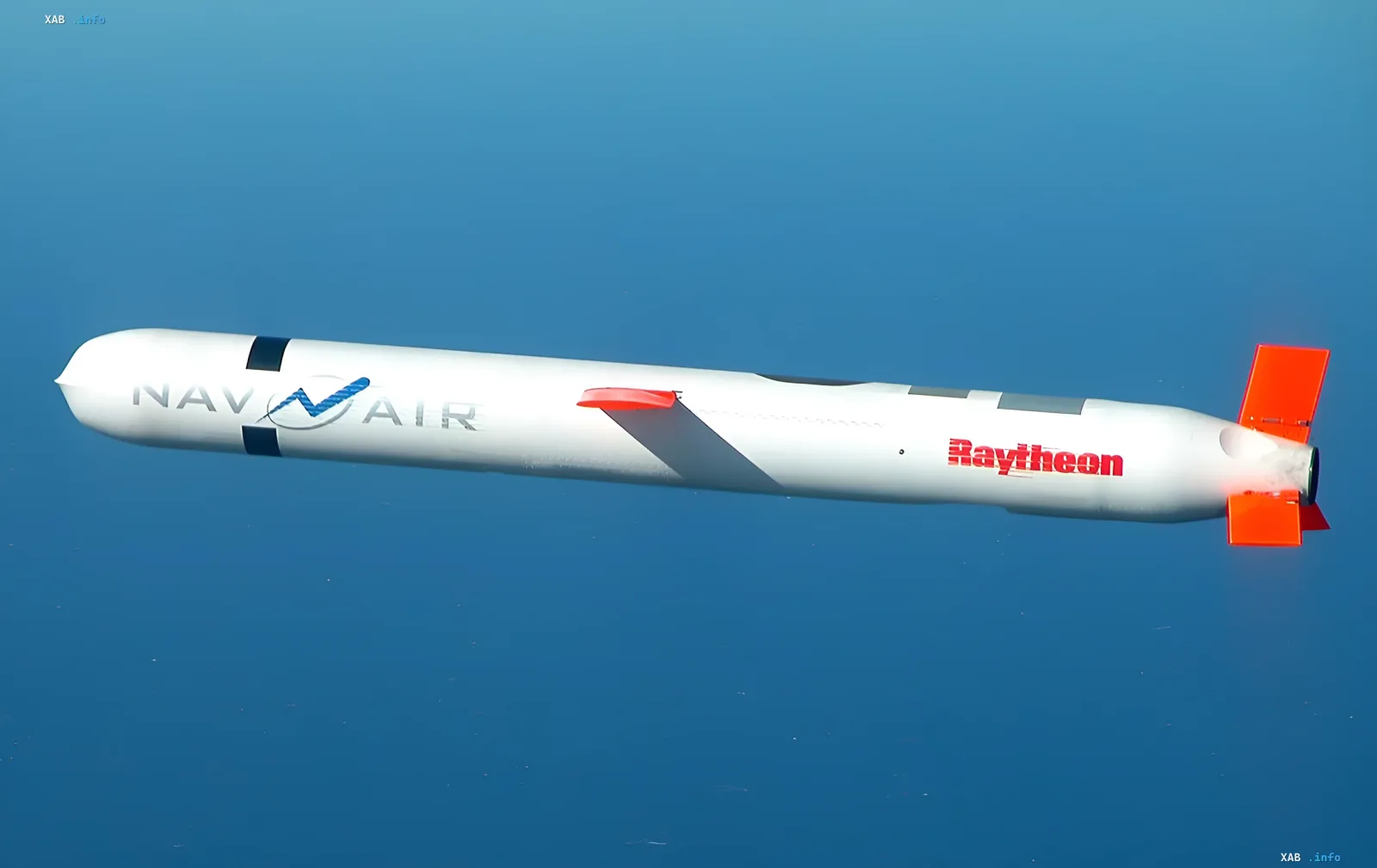
By available estimates, during the war with Iran the United States expended more than half of its most advanced Patriot interceptor missiles, about a third of its Tomahawk cruise missile stockpiles, and roughly half of its precision-strike missiles and THAAD interceptors. The US Congressional Budget Office (CBO) estimates that since June 2025 the American military may have used up to two-thirds of its air-defense interceptor missile stockpiles. The Pentagon acknowledges that the large-scale use of munitions has led to a strategic shortage of stockpiles and has exposed the production capacity limits of the industry.
Who Will Be Affected by the Delays
The problem is already hitting specific customers. Germany has asked Washington to expedite deliveries of long-range Tomahawk cruise missiles and Typhon ground-based launchers, however the manufacturer of the Tomahawk — Raytheon — is unlikely to be able to fulfill this order within the next five years due to the depletion of US stockpiles. Two other US officials told Bloomberg that the delays also affect a number of Eastern European countries that rely on US weapons systems. The issue is acute for Ukraine as well, which is asking the US to provide additional interceptor missiles for its Patriot systems ahead of winter: the Pentagon's decision to prioritize replenishing its own stockpiles complicates any rapid increase in deliveries.
Options for a Solution and Talks in New York
The question of strengthening Ukraine's air defense is set to become one of the topics of talks between European leaders and US President Donald Trump during meetings in New York next week. Earlier, Trump stated that the US is discussing two options with Ukraine: transferring to Kyiv a less advanced version of the Patriot, or allowing European countries to produce these systems under US licenses. Meanwhile, US officials are working on building up stockpiles of critical components and munitions and shortening their production timelines.
Scaling Up Production
In parallel, defense companies are ramping up production capacity. In particular, Lockheed Martin plans to increase the annual output of the most advanced PAC-3 MSE missiles for the Patriot system from roughly 600 to 2,000 units. This should partially offset the shortage, although, by estimates, a full restoration of stockpiles is not expected in the foreseeable future. Against this backdrop, attention is focused on which specific interceptor variants — including the discussed new PAC-3 ACE missiles — will ultimately become available to Ukraine.
Contradictory Data
There are discrepancies in the statements of the parties and in the assessments, which is important to keep in mind. First, the figures on the degree of stockpile depletion differ: some data refer to "more than half" of the most advanced Patriot interceptors expended in the conflict with Iran, whereas the CBO estimates the use of up to two-thirds of interceptor missile stockpiles overall since June 2025 — meaning these are different slices and counting methodologies. Second, the stated reason for the Patriot delays for Ukraine has changed in public discourse: earlier, the US Permanent Representative to NATO, Matthew Whitaker, retracted the main reason previously cited for the delay, and now Bloomberg points to a specific factor — the depletion of arsenals after the conflict with Iran. Thus, both versions coexist, and Washington's final public position on the timelines and reasons for the delays has not yet been unified.