Satellite imagery published on November 15 captured the aftermath of an attack on the Ust-Luga port in the Leningrad Region, which took place on November 11. The images show that at least five petroleum tanks were completely burned out, with traces of fire-extinguishing foam visible near other reservoirs. Although the strike occurred several days ago, its full consequences have not yet been fully established: open sources continue to release new details, and some claims from both sides remain unverified.
What the satellite images revealed
According to the images published on November 15, five fuel tanks at the Ust-Luga port burned completely. Remnants of fire-suppression foam are visible around the remaining tanks, indicating the scale of the blaze and the duration of the firefighting efforts. In its report on the operation, the SBU stated that the strikes targeted port, oil refining, and transport infrastructure, including storage tanks where, according to preliminary agency data, a petroleum leak and a massive fire occurred.
The Naro-Fominsk vessel and confirmation from Finland
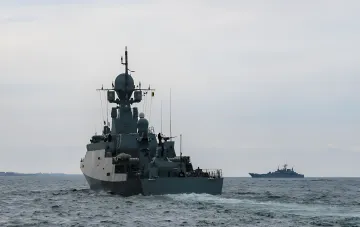
In addition to the tank farm, the SBU report claimed damage to the Naro-Fominsk, a small Buyan-M project missile ship, which the agency says carries Kalibr and Oniks cruise missiles and was launched in 2022. This information was later officially confirmed by the Finnish Ministry of Defense, which clarified that the attack on the vessel occurred near the Russian island of Gogland, located approximately 85 kilometers from Ust-Luga.
Helicopters: discrepancies in estimates
The question of whether Russian aviation was hit remains controversial. Pro-war Telegram channels claimed on the day of the strike, November 11, that several Russian helicopter pilots were killed in the attack. The SBU did not list helicopters as a target of the operation in its report, limiting its statement to the fact that information about their destruction appearing in open sources is "being verified." Thus, the deaths of the pilots and the fact of a strike on the helicopters themselves remain unconfirmed by either satellite data or official statements at this time.
Rumors of a 'lifted taboo'
Following the attack on Ust-Luga, pro-war Telegram channels began spreading reports alleging that a closed meeting of the Russian Security Council had decided to lift an unofficial ban on targeting the top leadership of Ukraine. According to "Agentstvo," the Telegram channel "Dnevnik Razvedchika" (about 147,000 subscribers) was the first to write about this. On November 14, Moskovsky Komsomolets published an article with the headline "The Taboo is Lifted: a decision was made to liquidate Zelensky at a closed Security Council meeting," citing "certain military channels, as well as a number of online media outlets." The Kremlin has not officially commented on this publication, nor on the attack on Ust-Luga itself or its possible consequences.
Context: Why Ust-Luga
Ust-Luga is the largest port on the Baltic and the second-largest in Russia after Novorossiysk, as well as one of the five largest ports in Europe. In the last few months, it has been hit repeatedly by Ukrainian drones, making it a critical and vulnerable point in the Baltic export hub. The combination of satellite-confirmed tank damage, the SBU's statement regarding the missile ship, and its confirmation by the Finnish Ministry of Defense form the primary picture of the November 11 attack's consequences, while reports regarding helicopters and Security Council decisions remain at the stage of unverified claims.