Ukrainian grocery retail is undergoing epochal changes. In mid-July 2026, the market recorded a deal that radically alters the balance of power among the country's largest chains. The Antimonopoly Committee of Ukraine officially allowed the company "Omega" (Terwin Group) to consolidate the assets of the "Kolo" chain.
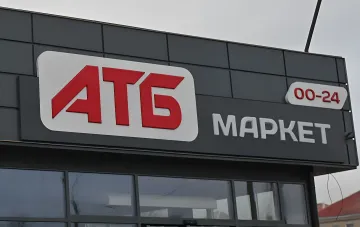
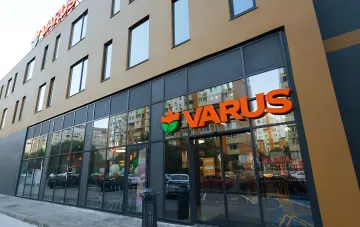
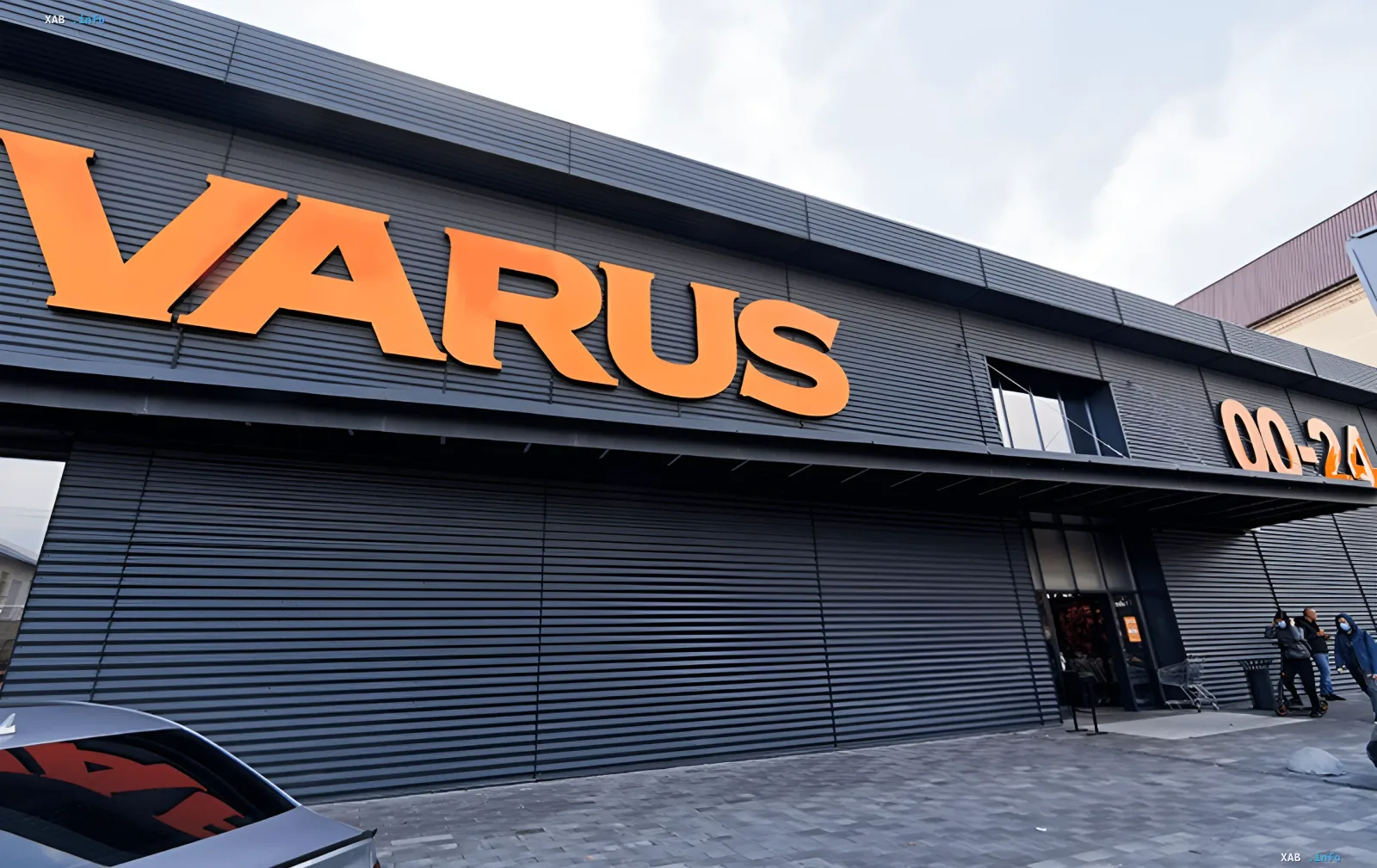
This agreement became the largest event in the food-retail sector in recent years, concluding years of negotiations between the parties. As a result of the deal, the Varus chain, managed by Ruslan Shostak and Valeriy Kiptik, acquires 254 retail outlets previously owned by ATB co-owner Hennadiy Butkevych.
Expansion strategy and entry into the leaders
The subject of the deal were stores located primarily in Kyiv, the Kyiv region, and the Odesa region. For Varus, this is not just a purchase of square footage, but a strategic step to strengthen its position in the convenience retail segment — the so-called "stores near home".
Ruslan Shostak, co-owner of the chain, emphasized the importance of the acquisition specifically for the capital region. The integration of assets will allow Varus to take a confident fourth place in Ukraine in terms of the number of stores, overtaking competitors and yielding leadership only to ATB, Fozzy Group, and the "Simi" chain.
Human capital and scale of the deal
The acquisition of the "Kolo" chain entails not only a growth in geography but also a significant expansion of the workforce. Varus's food direction will increase the number of employees by 1,100 people. This indicates that the purchase is aimed at real operational work, not just the redistribution of assets.
According to estimates by experts from the Retailers Association of Ukraine (RAU), such M&A deals (mergers and acquisitions) are always the result of lengthy negotiations and deep audits. In this case, the owner of the seller company "Ariteil" was the investment group BGV Group Management, controlled by Hennadiy Butkevych.
Plans for the decade
The Terwin Group, which owns Varus, has a rich history. Starting in the early 2000s in Dnipro with the one-dollar format and "Pik" supermarkets, the company has come a long way. Now, having become one of the strongest players in the market, the Shostak and Kiptik group has set an ambitious goal: to enter the top three of Ukrainian food-retail within the next 10 years.
At the moment, Varus is already part of the cohort of top retailers, but as of the end of 2025, it does not yet hold third place in terms of turnover. The deal with "Kolo" becomes a powerful foundation for achieving this goal, allowing the chain to exit to the fourth place among the ten largest FMCG retailers in Ukraine in the B2C segment.