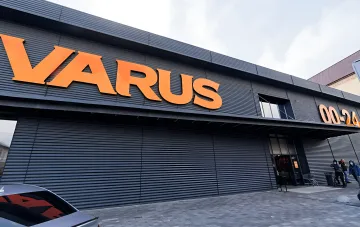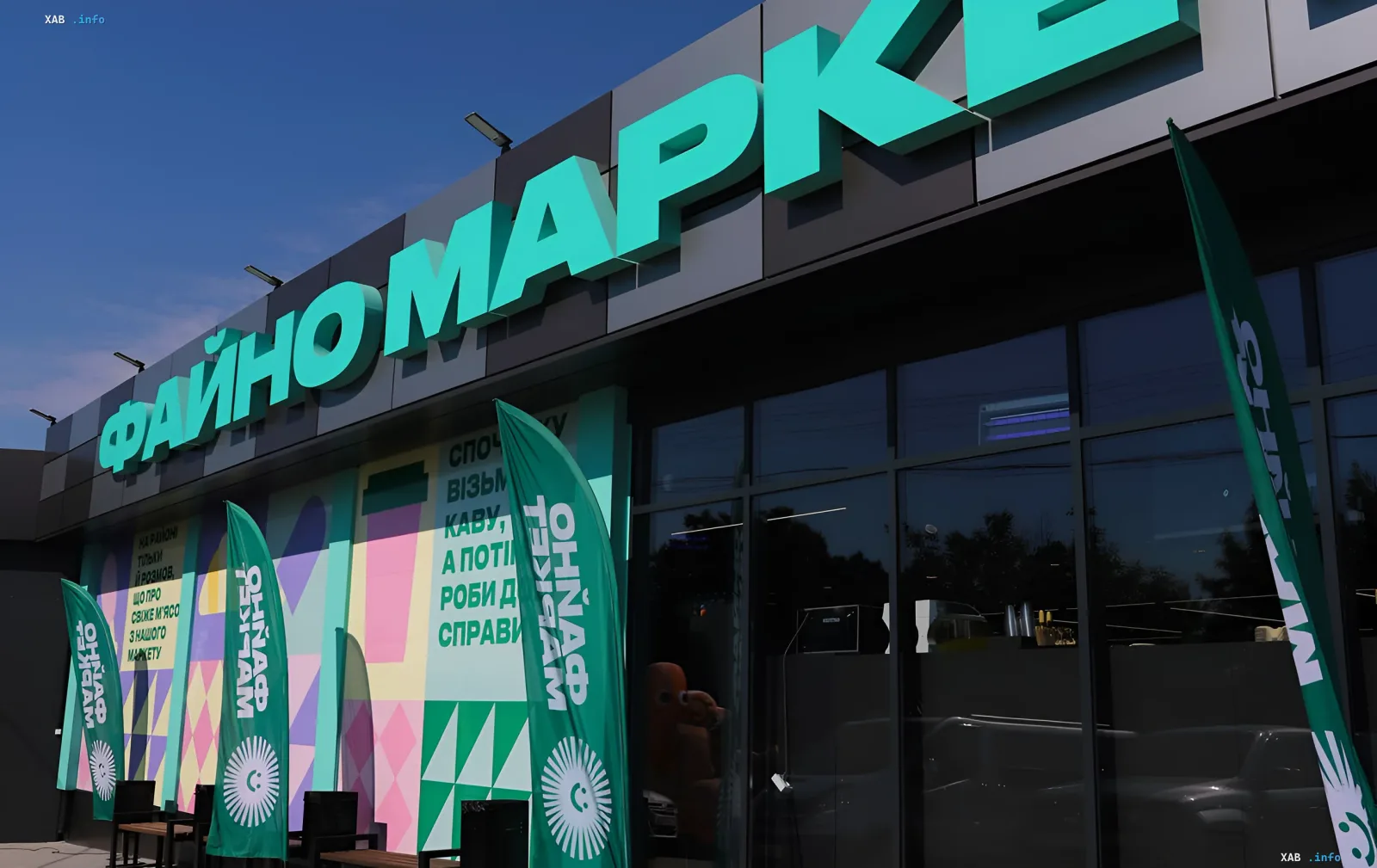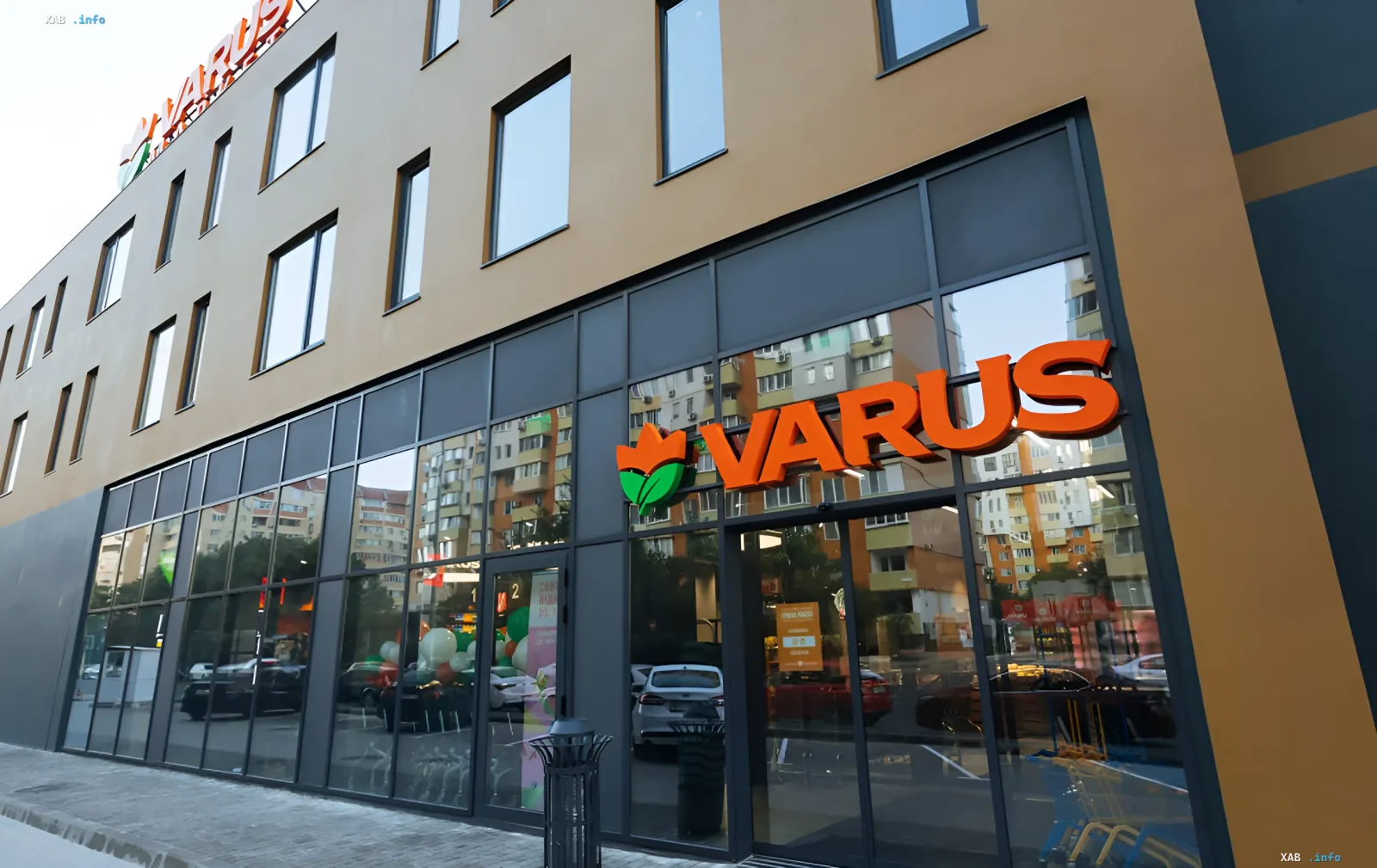
Ukrainian retail is experiencing a new wave of transformations. The management structure of the Varus chain (company «Omega») has announced the full acquisition of the «Kolo» store chain. This deal radically changes the balance of power in the market: Varus moves to fourth place in terms of the number of retail outlets, overtaking competitors and approaching the industry leaders.
Rating Jump: From 120 to 374 Outlets
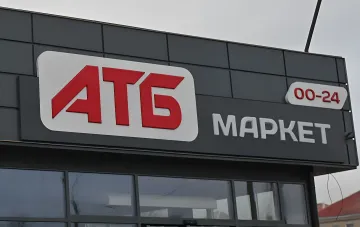
Before the merger, Varus held the seventh position in the ranking of chains by number of stores, operating 120 outlets. After integrating «Kolo» assets, the chain grew by 67.9%, reaching a figure of 374 stores. Now Varus confidently enters the top 4 retailers in the country, closing the quartet after ATB, Fozzy Group, and «Semy».
The deal became possible thanks to the company's financial health. In 2025, «Omega»'s revenue grew by 20.3% to 24.1 billion hryvnias, and net profit increased by 15.1% to 41.4 million hryvnias. An additional driver of development was a loan from the EBRD of $10 million, received in April 2026. The funds were allocated for network expansion and the implementation of «green technologies».
Expert Opinion: «Triopoly» or «Quadropoly»?
The market is reacting ambiguously to the deal. Some analysts believe that Varus will approach third place, but the global market structure will not change. GDS Commercial Director Anna Anisimova noted that the acquisition of «Kolo» does not turn the current «triopoly» (ATB, Fozzy, Novus) into a «quadropoly».
Head of the Association of Retailers of Ukraine Andriy Zhuk shares skepticism regarding the term «triopoly», but emphasizes the gap between leaders and followers. In his opinion, ATB and Fozzy are undisputed leaders, while Novus and Varus are on the same level. «Leaders who have been forming their positions for years retain significant scale and competitive advantages», Zhuk believes.
Alexander Parashchyn from Concorde Capital sees the situation differently. He notes that Varus looks like a reliable borrower, and retail remains one of the most dynamic sectors of the economy, where turnover has already exceeded pre-war figures adjusted for inflation.
Battle for Locations and Growth Strategy
One of the key motives for the deal was the fight for profitable locations. There are fewer and fewer free spots for the convenience store format (stores near home) in Kyiv and regional centers. Buying an existing chain solves this issue immediately in two strategically important regions — Kyiv and Odesa.
In particular, the «Kolo» chain had 16 stores in the Odesa region. This allows Varus to strengthen its positions in regions where it was previously weak. As Maksym Havryushin from the «Ukrainian Council of Shopping Centers» notes, the convenience store format opens new horizons and markets for Varus.
Blocking Foreign Giants
Experts also point to the geopolitical aspect of market consolidation. By buying existing chains, Ukrainian operators effectively «prevent» the entry of powerful foreign brands, such as Polish Jabka or Biedronka. This trend is reinforced by the position of real estate owners, who are increasingly preferring large local players.
To achieve the status of a full-fledged first-tier national player, Varus will have to pass the test of time. In the next two years, it will become clear whether the company can convert its quantitative leap into real market weight by building a powerful logistics infrastructure and purchasing power.