Ukrainian food retail continues to consolidate around a few key players. As of 2025, the top 10 chains account for more than 27% of the country's total retail turnover. The owners of these giants are both Ukrainian entrepreneurs and foreign investors.
ATB: market leader with a turnover of 247 billion hryvnias
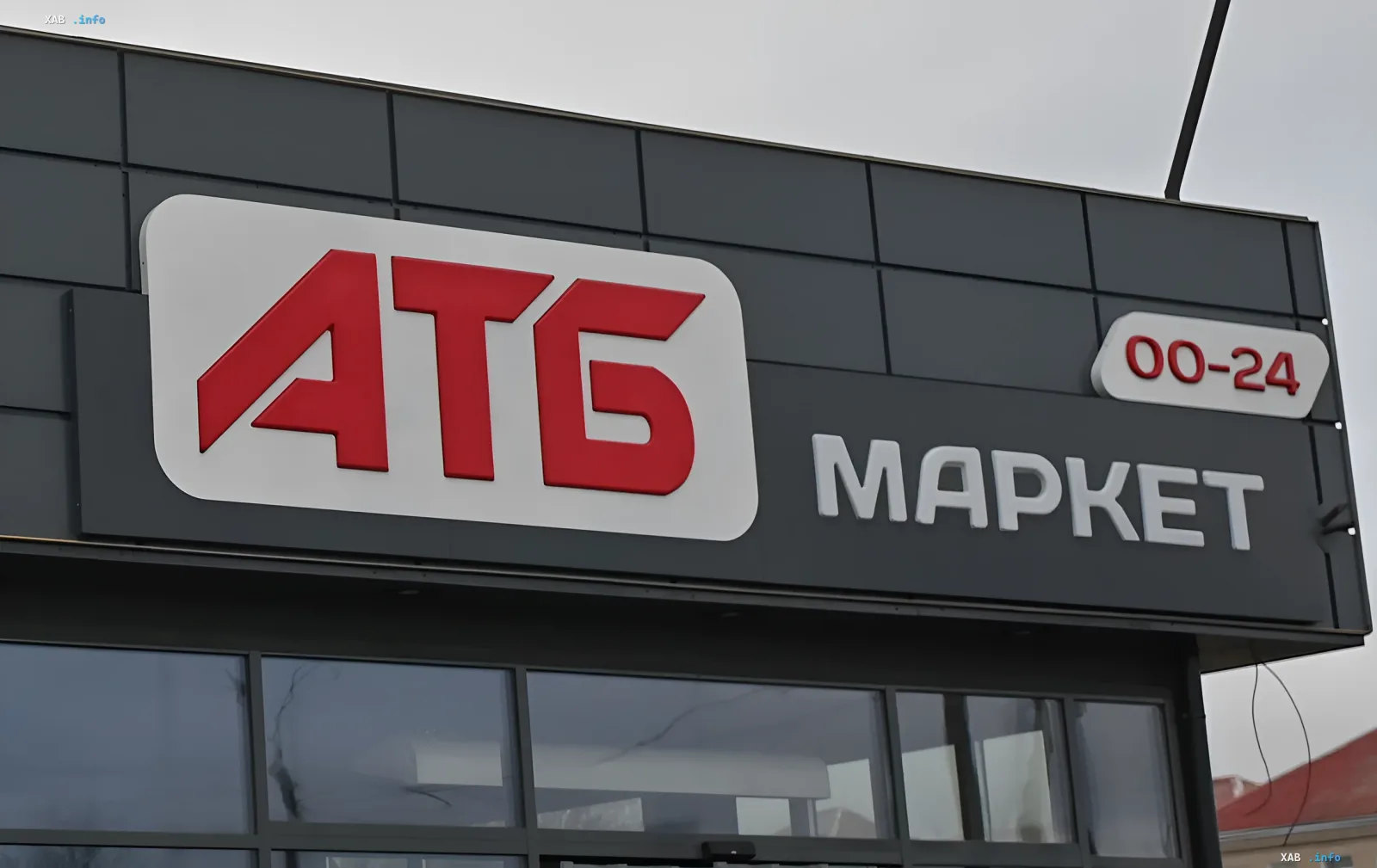
The ATB chain holds the lead in revenue volume — 247.3 billion hryvnias, which is 40% of the market. The company grew out of the "AgroTechBusiness" corporation, which started with wholesale fuel trade in 1993. In 1996, Hennadiy Butkevych became the owner of the "Yubileiny" meat processing plant, which laid the foundation for future retail development.
Today, ATB belongs to three equal co-owners: Hennadiy Butkevych, Yevhen Yermakov, and Viktor Karachun — 33.3% each. In 2025, "Focus" magazine estimated Butkevych's capital at $678 million. As early as 2013, ATB overtook Fozzy Group thanks to cost optimization and the development of its own production.
Fozzy Group: from student business to second place
The company Fozzy Group, which owns the "Silpo", "Fora", and "Trash" chains, started in Dnipro in the 1990s as a student project selling coffee, tea, chocolate, and cigarettes. Today, it is the second-largest chain by turnover — 165.9 billion hryvnias.
The controlling stake (51%) belongs to Volodymyr Kostelman. Another 23.5% each belongs to his classmates — Oleksiy Sotnikov and Roman Chigir. A minority stake of 2.5% belongs to Yuriy Hnatenko.
Novus: Lithuanian capital and high margin
The Novus chain entered the Kyiv market in 2008 thanks to the Lithuanian group BT Invest. Currently, it demonstrates the highest margin among top players — 1.63%. The company's turnover is 34.69 billion hryvnias.
Half of the shares are owned by Maryna Poznyakova. Another 39.6% belongs to Raimondas Tumenas, and 10.4% — to Agne Ruzgiene.
Varus: partnership of two businessmen
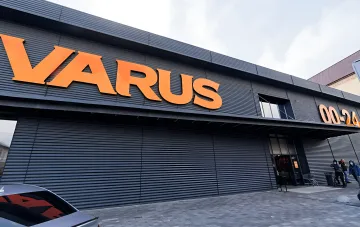
The Varus chain, part of the Terwin corporation, belongs to Ruslan Shostak and Valeriy Kiptik — 50% each. The company's turnover is 24.09 billion hryvnias.
Thus, Ukrainian food retail remains in the hands of a narrow circle of entrepreneurs whose capital and strategies determine prices, assortment, and product availability for millions of consumers.