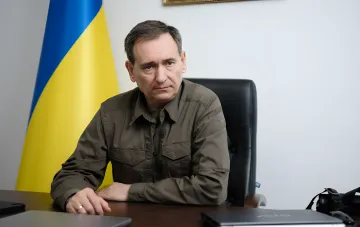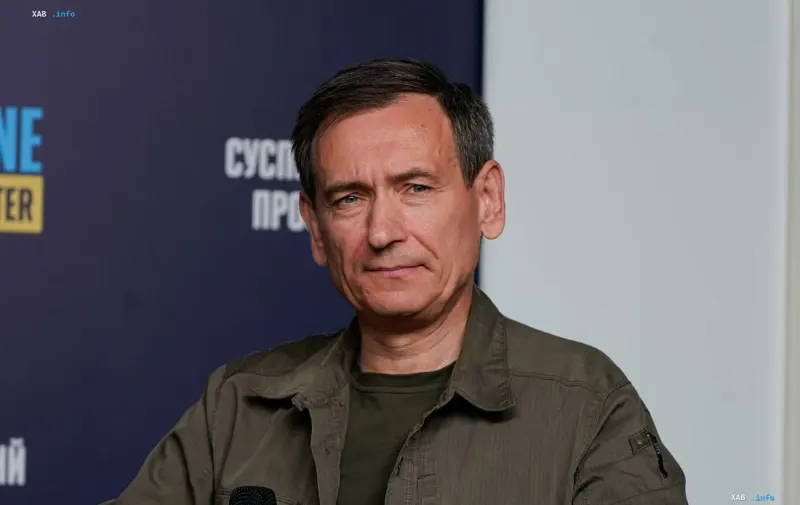
People's Deputy and member of the Verkhovna Rada Committee on National Security, Defense, and Intelligence, Fedir Venislavsky, revealed in an interview with RBC-Ukraine the practical results of the order issued last month by the Commander-in-Chief of the Armed Forces of Ukraine, Mykhailo Drapatiy, regarding the organization of Territorial Recruitment Centers (TCCs) and the strengthening of control over Military Medical Commissions (MMCs). According to the parliamentarian, the Rada is already recording changes in the dynamics of mobilization processes, although a number of quantitative indicators remain restricted.
Quantitative stability, qualitative shift
Venislavsky confirmed that the necessary mobilization quota has been maintained at around 30,000 people per month for over a year. At the same time, he estimated that this group previously included a "quite significant portion" of personnel who, due to age or health conditions, were unable to effectively perform combat missions. Following increased oversight of the MMCs, the MP noted, the proportion of personnel fit for duty and capable of performing combat tasks is increasing, while the share of those fit only for rear or support duties is decreasing. Venislavsky declined to provide specific proportions, citing restricted access to this information.
'Busification' has practically ceased
A separate part of Venislavsky's statement focused on reducing the level of conflict during mobilization efforts. The deputy stated that conflicts associated with so-called "busification"—where conscripts or pedestrians were detained on the streets and forced into minibuses—have "practically vanished." According to him, personnel from the Military Law Enforcement Service have been involved in these activities, which, in the parliamentarian's view, helps reduce the number of violations by TCC staff. Venislavsky noted that this positive trend can be observed through the monitoring of open sources.
Parliament awaits bills from the Ministry of Defense
Despite the observed changes, the Rada's National Security Committee is still waiting for draft laws from the Ukrainian Ministry of Defense that are intended to make mobilization perceived as more fair by society. Venislavsky emphasized that the Ministry of Defense must develop mobilization algorithms that the public views as more equitable, as well as proposals for a systemic solution to the issue of unauthorized absence from units (AWOL/SZCh). As of the time of the interview, no such proposals have been presented to the committee. "We cannot solve the problematic issues of mobilization without a comprehensive approach," the deputy stated.
Broader context: SBU reform and Space Forces
In the same interview, Venislavsky previously reported on the preparation of a bill in the Rada concerning the reform of the Security Service of Ukraine (SBU). In addition, the deputy assessed Ukraine's potential to establish Space Forces by the end of 2027, indicating that the committee's agenda for defense transformation is expanding beyond immediate mobilization issues.