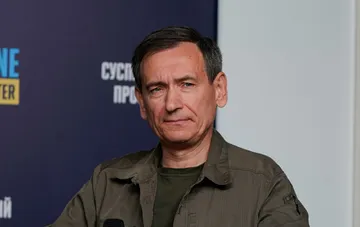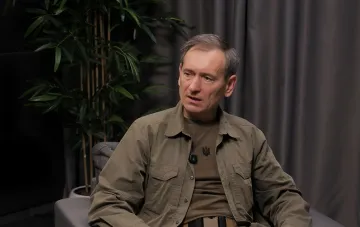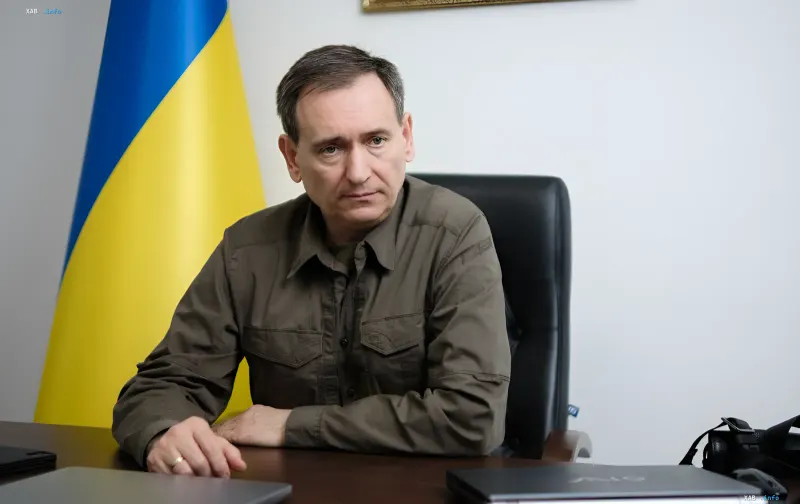
People's Deputy of Ukraine, member of the Verkhovna Rada Committee on National Security, Defense and Intelligence Fedir Venislavsky stated in an interview with RBC-Ukraine that Russia may significantly increase mobilization efforts in the medium term — within one or two months. According to him, current recruitment mechanisms are failing to replace the colossal losses that the Russian armed forces are incurring monthly on the front lines.
Loss dynamics and replenishment shortages
Venislavsky pointed out that according to data from Ukrainian intelligence agencies, Russia's monthly losses exceed 40,000 people. At the same time, existing recruitment and mobilization mechanisms currently used by Moscow are incapable of providing the necessary replenishment. "If the same dynamic of losses and replenishment continues, then I think Russia will be forced in the medium term — that is, within a few months — to use mobilization measures, either more covertly but on a mass scale, or openly," the deputy emphasized. In his assessment, the Russian command is no longer satisfied with the results of current recruitment campaigns, which increases the likelihood of a transition to stricter measures.
Estimates of total losses: from 400,000 irreversible to 1.5 million total
Venislavsky referred to data obtained through cyberattacks, which revealed Russia's actual irreversible losses. According to him, they already number about 400,000 people. Taking into account the ratio of killed to wounded, total losses, according to the deputy, already definitely exceed one million, and possibly exceed one and a half million. "These are colossal losses, but the Russians cannot make up for them without more decisive, tougher actions," he noted.
Covert mobilization and autumn conscription
Venislavsky emphasized that Russia is already conducting covert mobilization, as evidenced by the growth in the number of its troops on the front lines and a sharp spike in losses. At the same time, according to intelligence reports, Vladimir Putin is still trying to avoid open, large-scale waves of mobilization, preferring to act in a veiled format. Previously, it was reported that Russia plans to send about 120,000 conscripts for mandatory service in the autumn. The head of the Russian General Staff's mobilization department, Colonel-General Yevgeny Burdinsky, stated that the first recruits would be deployed to their service locations starting October 10.
Context: Why the issue of mobilization remains key
Venislavsky's statement comes amid ongoing hostilities and a steady trend of high casualties on both sides. Experts note that a transition from covert forms of replenishment to more open mobilization procedures would be a significant indicator that Russia's current resources have been exhausted within the framework of the existing war format. For Kyiv and its allies, monitoring such signals from Moscow remains one of the priorities of intelligence and analytical work.