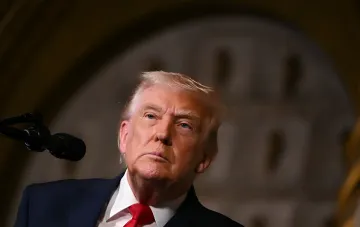
Washington. The US Court of Appeals has issued a landmark ruling in the dispute between the federal government and environmental organizations. The court determined that the Donald Trump administration lacked the legal authority to cancel funding and reclaim funds previously allocated to non-governmental organizations (NGOs) focused on climate change issues.
According to sources, including The New York Times and Techcrunch, the court's decision concerns eight organizations that sought to regain access to billions of dollars transferred to their accounts. This ruling effectively returns control over the assets to the funds themselves.
Timeline of the conflict: from freeze to court
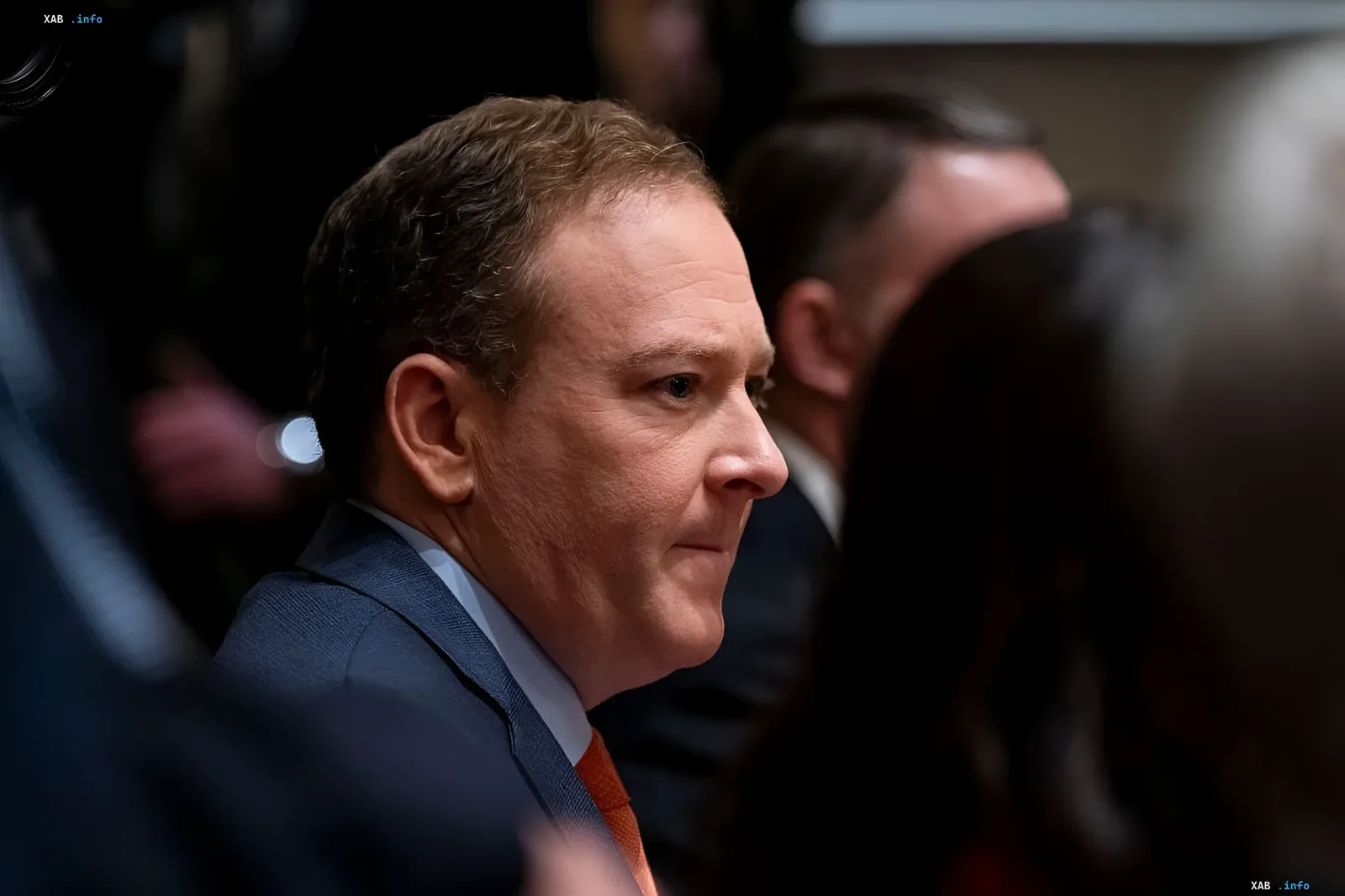
The conflict began in February of this year. During that period, Citibank froze the accounts of eight non-profit organizations. This action was carried out on the direct orders of the head of the Environmental Protection Agency (EPA), Lee Zeldin, with the involvement of the Federal Bureau of Investigation (FBI) and the US Department of the Treasury.
The disputed funds were allocated under the "Inflation Reduction Act" (IRA). Under this legislative act, the "Greenhouse Gas Reduction Fund" with a volume of $20 billion was created. Initially, it was assumed that these funds would be directed towards creating lending mechanisms designed to help companies and communities transition from fossil fuels to clean energy.
Consequences of the block for the eco-sector
The court's decision is undoubtedly a legal victory for the organizations; however, experts note that for many of them, this step may come too late. During the prolonged account freeze, NGOs were forced to make significant cuts to expenses and personnel.
The situation in the organizations reached a critical point:
- At Climate United, the head resigned back in March. To date, a successor has not been appointed, creating a leadership vacuum.
- At the Power Forward Communities fund, the staff was reduced to just two people.
Control over the accounts is returning to the organizations before the EPA makes a final decision on filing an appeal to the US Supreme Court. This means that the funds can begin to manage the money to stabilize their financial position.
Contradictory data
Although the court's decision seems unambiguous, there are certain uncertainties in the context of this situation that could affect future funding:
- Legal perspective: The appellate court's decision is not final if the EPA decides to appeal it to the US Supreme Court. In the event of a successful appeal by the government, the funds could be frozen or returned to the treasury again.
- Organizational crisis: Even with the unblocking of accounts, many organizations (such as Climate United) have faced a personnel crisis. The return of money does not guarantee the immediate restoration of operational activities if key executives have already left their posts.
Thus, the court confirmed that the administration acted without authority, but the real fate of the $20 billion fund and specific "green" energy projects remains in question until all possible legal proceedings are completed.