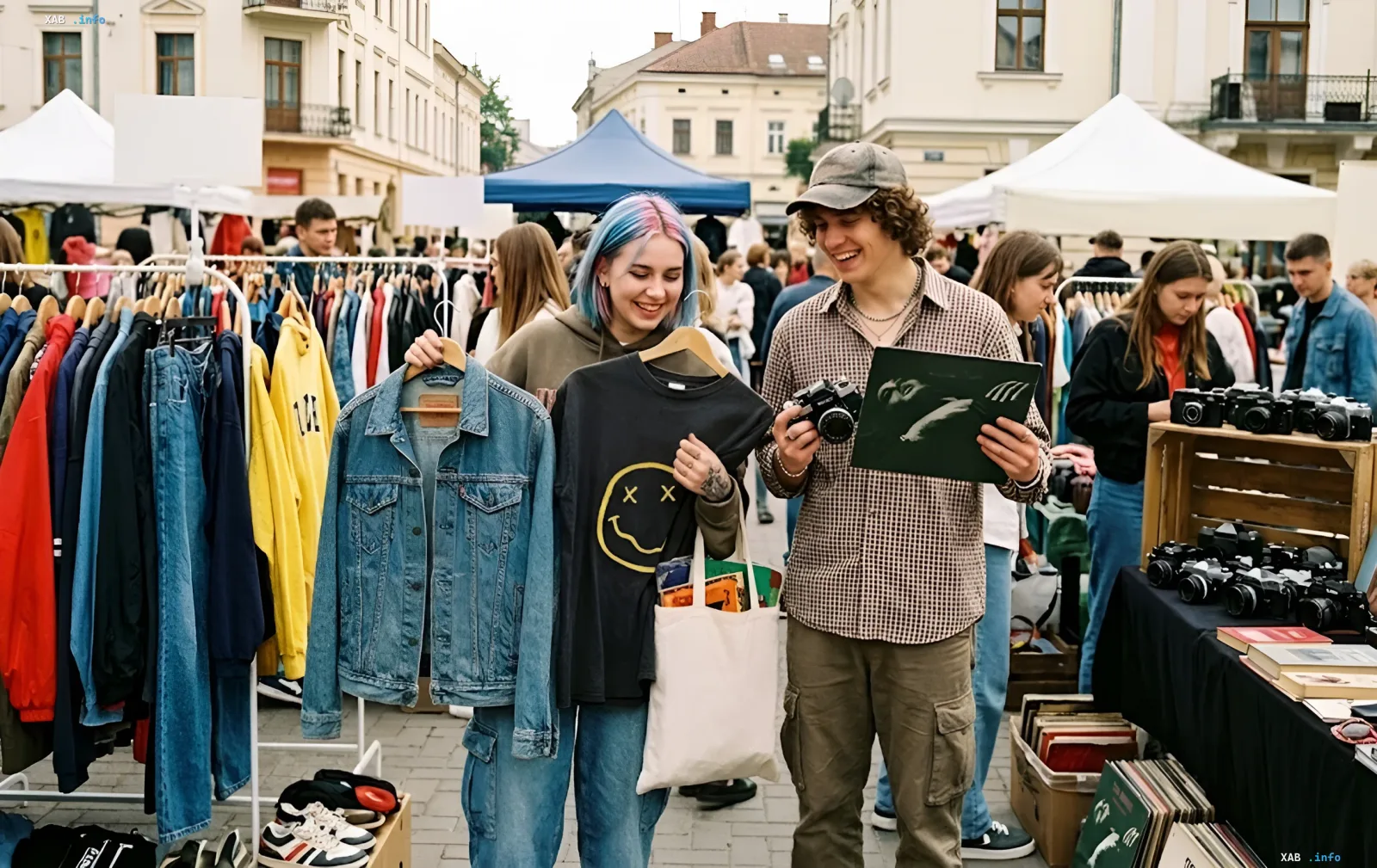
In August 2026, the second-hand market is experiencing an unprecedented boom, driven by Generation Z. If a few years ago flea markets and antique shops were associated primarily with the older generation or a narrow circle of collectors, today it is young people aged 18 to 29 who are driving demand for vintage goods. A large-scale study conducted on the occasion of the release of the show "Little Shop of Antiques" confirms: for modern youth, buying second-hand items has become not just a way to save money, but a full-fledged lifestyle and investment strategy.
Social Media as the Main Trend Driver
The key factor stimulating this interest has been social media. According to survey data, 83% of young people admitted that content on TikTok, Instagram, and Pinterest inspired them to search for vintage items. The visual aesthetic of retro items, their uniqueness, and the "story" that can be told through a photograph have made second-hand goods desirable objects for content. A third of respondents (32%) visit vintage markets and thrift stores weekly, turning the "hunt" for rare finds into a regular pastime.
The Economics of Vintage: From Hobby to Investment
Financial motivation also plays an important role in this trend. On average, a representative of Gen Z is willing to spend around £244 (more than 13,000 UAH) on an antique piece of furniture or a collectible item. At the same time, the motivation for buying is split almost evenly: 39% of young people view this as a pleasant hobby, while 40% consider buying vintage a full-fledged financial investment. The realization that quality items from the past can increase in value over time prompts young people to study the market carefully and look for items with potential.
What Gen Z is Looking For: From Decor to Wardrobe
The spectrum of youth interests covers a wide range of categories. More than 63% of Gen Z prefer second-hand furniture, retro decor, and classic wardrobe elements, rejecting mass market goods. The priority is items for home comfort, paintings, prints, and collectible trinkets that give the interior individuality. As Johnny Vegas, the host of the show "Little Shop of Antiques," notes, young people are looking for craftsmanship and history that cannot be bought on the shelf of a modern store. For them, it is important that the item evokes emotions and feels "theirs".
Contradictory Data
Although the main narrative of the study speaks of a mass obsession with vintage, there are nuances in the perception of this trend. On the one hand, the survey shows that 8 out of 10 young people prefer the vintage style. On the other hand, market experts note that not every "vintage" is actually valuable. There is a risk that under the guise of collectible items, young people are buying simply old, but not high-quality objects, which could lead to disappointment in the investment component of the trend. Moreover, rising prices for genuine antique items due to high demand could make them inaccessible to part of the audience that originally came to the market for affordability.