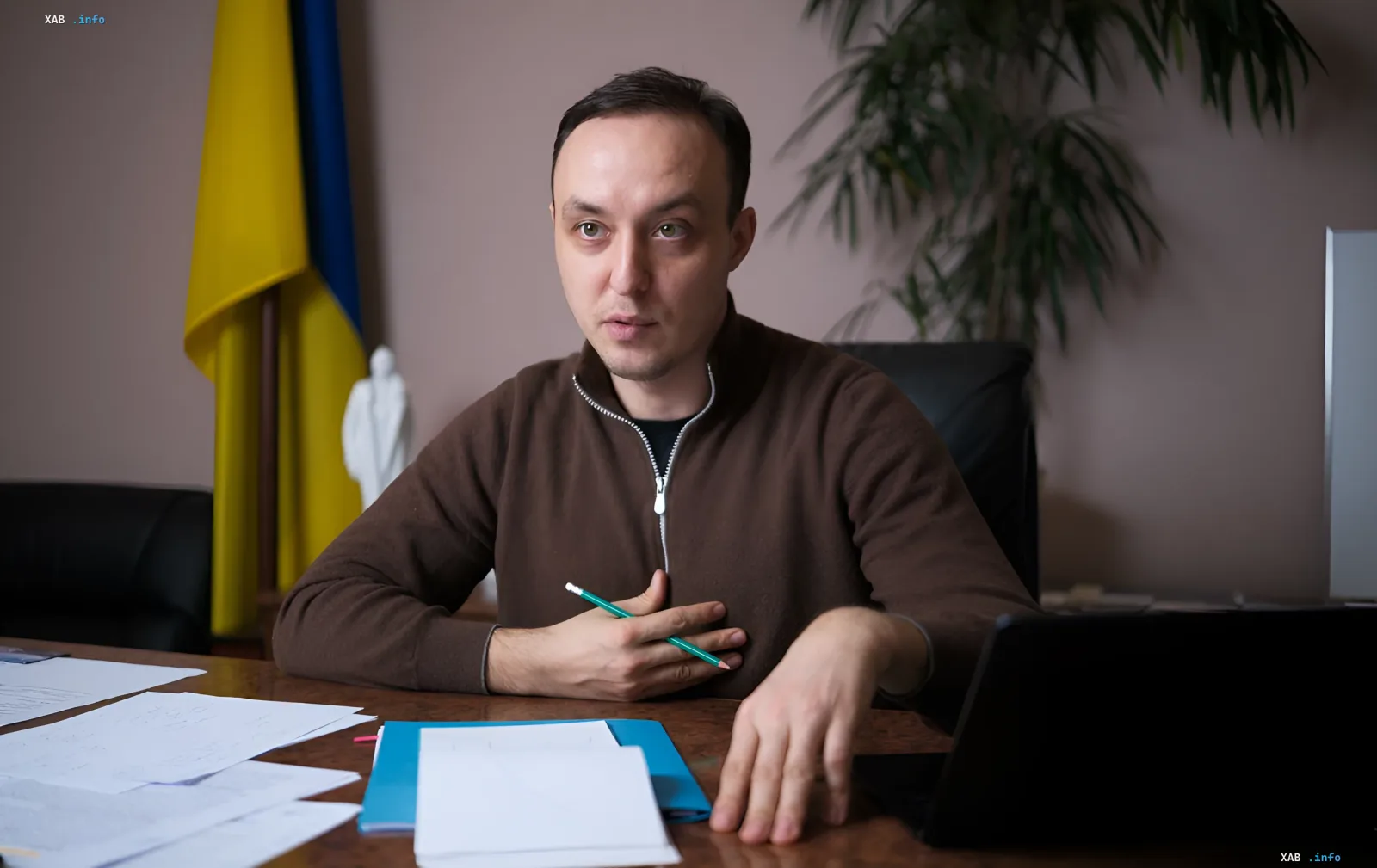
On September 17, 2026, Ukraine officially reacted to the US House of Representatives' adoption of a bill on strengthening sanctions pressure against Russia. Vladyslav Vlasyuk, the President of Ukraine's Commissioner for Sanctions Policy, in a comment to journalists cited by RBC-Ukraine, called this decision an important part of comprehensive pressure on Moscow and thanked everyone who took part in promoting Senator Lindsey Graham's initiative.
Context: Graham's bill passed the House of Representatives
According to Vlasyuk, the bill was supported by 262 members of the US House of Representatives. As Ukrainian media note, on September 17 the House of Representatives finally approved the document on sanctions against Russia and Iran, after which it was sent to the US President for signature. The legislative initiative was initiated by Senator Lindsey Graham, who is referred to in the statement as deceased.
Goal of the restrictions: a blow to Moscow's oil revenues
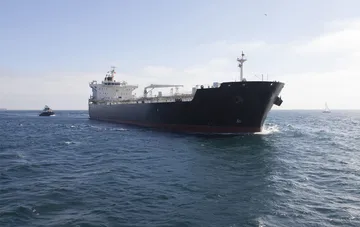
Vlasyuk emphasized that Moscow still receives significant revenues from oil sales, including through countries that continue to purchase Russian energy resources. "The Russian Federation still receives substantial income from oil sales, in particular through countries that continue to buy its energy resources. It is precisely these revenues that allow the Kremlin to finance the production of missiles and drones, purchase foreign components, and compensate for losses on the battlefield," he stated. The tariffs provided for in the bill for states purchasing Russian energy resources, in his assessment, could reduce Russia's revenues and make cooperation with Moscow more costly.
The Iranian vector: why sanctions also hit Tehran
Separately, the Commissioner mentioned sanctions against Iran. He noted that Russia and Iran have long been cooperating in the military-industrial sphere, exchanging technologies and using common supply channels. According to Vlasyuk, Iranian drones and components for Russian weapons are already being used in the war against Ukraine, which makes extending the sanctions perimeter to Tehran a logical step.
Expected effect: not instant, but cumulative
"We expect that the sanctions will make Russian energy exports more expensive, more complicated, and less profitable," Vlasyuk noted. He emphasized that the restrictions do not mean an immediate end to the war, but should gradually reduce Russia's ability to maintain the current intensity of combat operations. In his words, the sanctions should be a tool that directly affects Russia's ability to finance the war, rather than remaining a symbolic punishment.