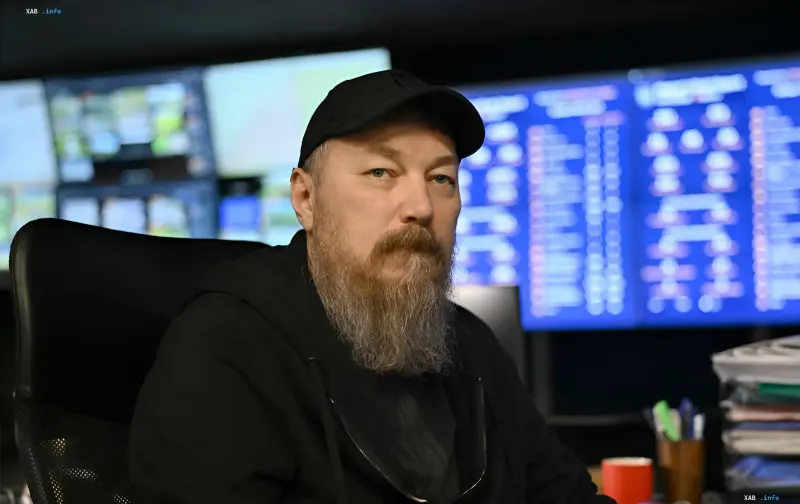
Ukraine's strategy for liberating Crimea has undergone fundamental changes. Instead of risky and bloody ground operations, which have historically been associated with the liberation of territories, the command of the Unmanned Systems Forces has chosen the path of methodical technological strangulation of the enemy. Robert Brovdi (callsign Madyar), Commander of the Unmanned Systems Forces of the Armed Forces of Ukraine, revealed the details of this strategy in an interview with British journalist Caolan Robertson.
The essence of the approach lies in creating conditions under which maintaining the Russian military grouping on the peninsula becomes technically impossible. This is not just a tactic, but a transition to a new paradigm of warfare, which Brovdi called the "war of technology and mathematics".
Energy and fuel as key vulnerabilities
The main target of strikes has shifted from destroying manpower to destroying the resource base of the occupiers. According to the commander, a modern military machine cannot function without electricity and fuel.
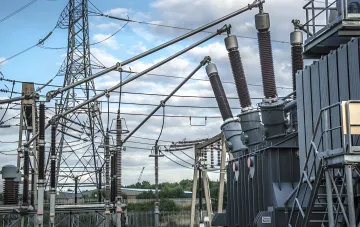
"We take care of energy nodes, because you can't go far without a socket, and any military gadget needs a lot of energy. We watch over their fuel, because without fuel practically nothing happens," Madyar explained.
Regular strikes on Crimea's energy infrastructure lead to constant power outages, which paralyze the work of both military objects and civilian infrastructure necessary for the life support of the occupation regime.
Maritime blockade and destruction of logistics
Alongside strikes on the coast, Ukrainian forces are dealing devastating blows to the logistical chains connecting the peninsula with the mainland. A key direction has become the destruction of fuel tankers on the approaches to Crimea.
Robert Brovdi provided impressive statistics on the effectiveness of these operations: "In three days, we have already burned 21 tankers on the approaches with fuel to Crimea. In 72 hours we will burn another 121, and 221 will be burned — as many as there are, that many we will burn".
Such tactics turn the Black Sea into a minefield for Russian logistics. Previously, Ukrainian drones had already paralyzed the Kerch ferry crossing, destroying almost the entire fleet that ensured the delivery of cargo. This confirms the thesis of experts that Crimea is gradually turning into a trap.
Psychological effect and "removing pests"
Brovdi's strategy is aimed not only at the physical destruction of equipment but also at creating unbearable conditions for staying. The commander compares this process with a long-term but effective removal of "pests" from an enclosed space.
"We are creating conditions of intolerability of staying on the peninsula," he emphasized. The constant threat of strikes, lack of light, and shortage of resources form a "persistent neuropsychiatric disorder" among the population and military.
The main advantage of this method is the preservation of the lives of Ukrainian soldiers. "We make staying and the operability of the military machine there impossible... without spending a single life of a Ukrainian serviceman," Madyar noted.
Isolation as reality
Experts, including the head of the Crimean Tatar Resource Center, Eskender Bariyev, confirm that the complete isolation of logistical routes will lead to the Russian grouping being left without fuel, ammunition, and electricity. The consequences of this strategy are already felt: on the night of July 21, explosions occurred in Crimea, fires broke out, and part of the peninsula was left without light.
Ukraine is demonstrating that the liberation of territory is possible through the systematic destruction of the enemy's life support, making their presence on occupied lands economically and technically unfeasible.