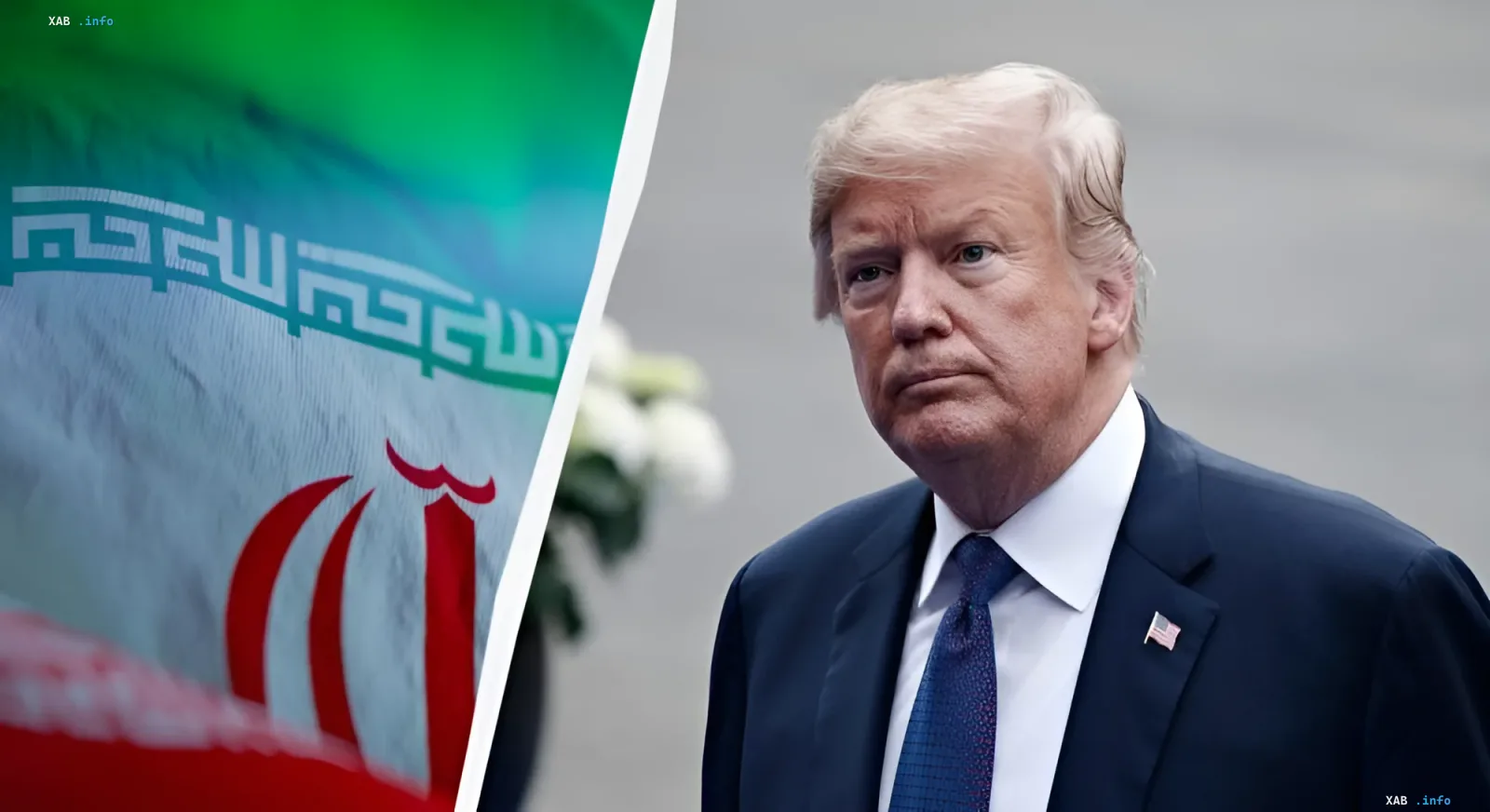
Diplomacy on the brink of collapse: military hostilities between the US and Iran have resumed with renewed force, and there are currently no signs that the parties are ready to compromise. The key point of contention remains control over the strategically vital Strait of Hormuz, through which a significant portion of global oil shipments pass.
Breakdown of Negotiations and Lack of Trust
According to sources cited by Politico, efforts by international mediators to resume dialogue or even restore a ceasefire have yielded no results. A consensus has emerged in diplomatic circles: hostilities will continue. US officials acknowledge that the situation remains in a state of uncertainty.
"The White House is not entirely sure where this is all heading. It could go on for some time. There is no trust between Iran and the US, and that is essentially the foundation of any diplomacy," noted one American official.
Donald Trump's Stance and Threats to Shipping
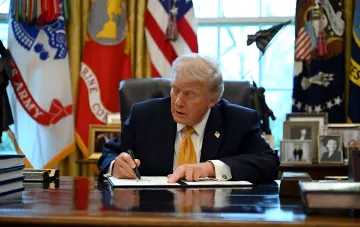
US President Donald Trump has taken a hardline stance, stating that Tehran must relinquish control over shipping lanes in the Strait of Hormuz. However, Iran, having withstood previous attacks, continues to threaten tankers with drones and missiles. It remains unclear whether a new campaign of American strikes can neutralize this threat.
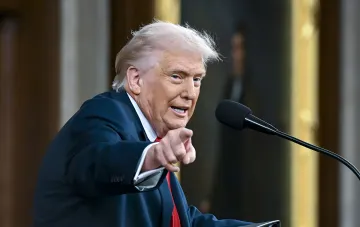
At the end of July, while in Ankara for the NATO summit, Trump officially announced the end of the ceasefire. "I think it's all over," he said a few hours after US forces struck Iranian military targets in response to attacks on merchant vessels.
Military Escalation and US Presence
Allies in the White House view America's retaliatory actions as necessary to restore the balance of power. Alex Gray, former Chief of Staff to the National Security Council during Trump's first term, emphasized the importance of demonstrating strength: "Trump must respond when Iranians break promises. We cannot return to equilibrium unless Americans demonstrate their readiness to escalate as necessary".
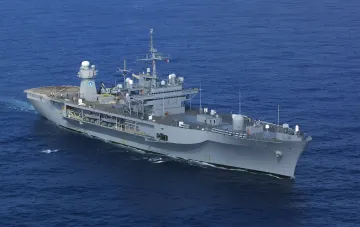
The US military presence in the Middle East remains robust. The region hosts two aircraft carriers, part of a group of approximately 20 warships, as well as a contingent of 2,500 Marines. Most ships are equipped with long-range missiles, while combat aircraft and rocket artillery are stationed in friendly nations along the Persian Gulf.
"The arsenal remains in place," confirmed an American official. "We are there, and we are rotating units, but we are not leaving".
Situation in the Strait: Closure and Secret Passages
The situation remains tense due to the lack of a final agreement to resume shipping. Despite the parties agreeing on a memorandum of understanding a month ago, both sides accuse each other of violating its terms.
Previously, Iran announced a complete closure of the Strait of Hormuz following an attack on one of the vessels. The Islamic Revolutionary Guard Corps (IRGC) stated that the strait would remain closed until the US ceased interfering in regional affairs. Nevertheless, on July 13, reports emerged that a small number of ships had secretly passed through the strait despite the risks of renewed conflict escalation.