August 14, 2026, marked a day when Ukraine's food system once again demonstrated its ability to adapt under extreme pressure. Minister of Agrarian Policy and Food Taras Vysotsky confirmed at a briefing that, despite systematic Russian strikes on logistics centers and retail warehouses, there is no critical food shortage in the country. "Ukrainians should not be afraid — food is available and accessible," he stated, emphasizing that the situation is under control.
Logistics under fire: how flows are being redirected
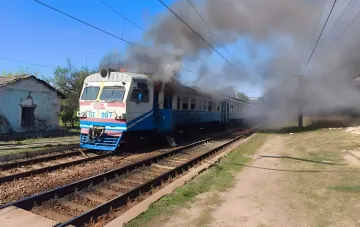
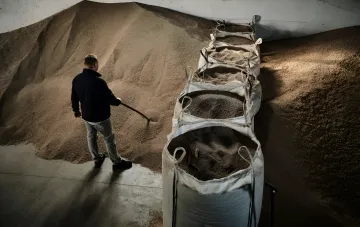
Enemy attacks have indeed damaged storage and distribution infrastructure. Some key warehouse complexes were damaged or destroyed, causing temporary disruptions in certain supply chains. However, according to Vysotsky, the Cabinet of Ministers is actively working on redistributing reserves: backup sites are being mobilized, including private storage facilities and temporary unloading points. Some products are now being delivered "from the wheels" — directly from producers or via intermediate hubs, bypassing traditional distribution centers.
Prices remain stable: why inflation hasn't spiked
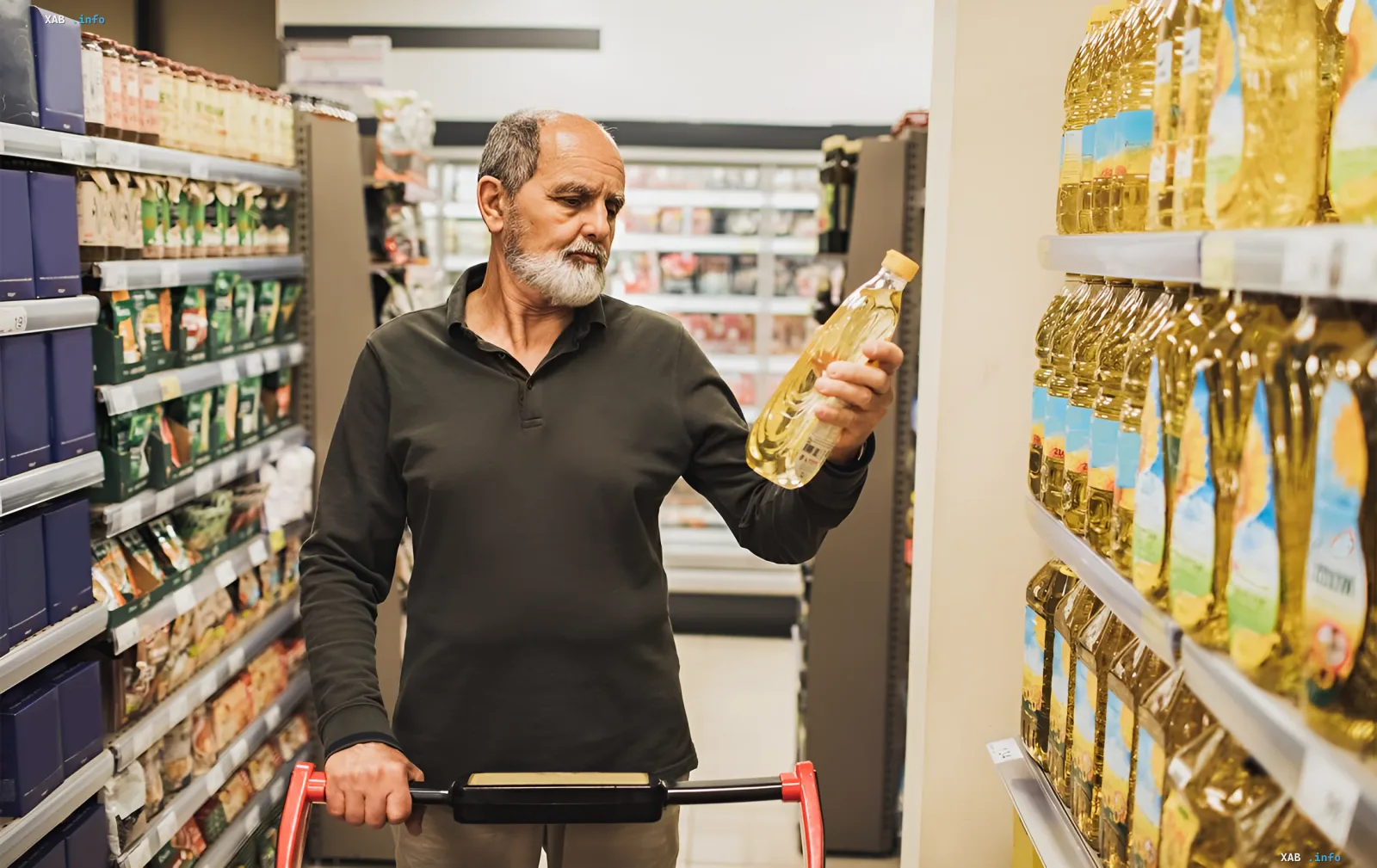
One of the main concerns for citizens remains the impact of destruction on prices. The Minister assured that additional costs related to logistics changes will not lead to a sharp price increase — certainly not by tens of percent. "That is not happening today and will not happen in general," he emphasized. According to monitoring data from the Cabinet of Ministers as of August 14, 2026, no sharp price spikes have been recorded. This was made possible thanks to rapid replenishment of losses (up to 30–40% of products can be replenished quickly) and coordination between government bodies and the private sector.
Contradictory data
While official statements sound confident, there are disagreements within the expert community and among retail representatives regarding the scale of damage and the speed of recovery. Some sources indicate that in certain regions (especially in western and southern Ukraine), local shortages of specific product categories are observed — for example, frozen goods or imported spices. Other experts believe that current price stability is a temporary effect, and if attacks continue, the situation may worsen. At the same time, neither side denies the fact of increased operating costs for retail chains.
Who suffers most: retailers and suppliers
Companies like "Silpo", "Fara", Thrash, "Epicentr", ROZETKA, and "Nova Poshta" have already faced the consequences of strikes before. Now they are operating in heightened readiness mode, restructuring delivery routes and using mobile warehouses. Some report delays in restocking shelves but emphasize that this is not a systemic problem but a temporary adjustment. The state, in turn, provides support through tax incentives and simplified procedures for obtaining permits to use alternative warehouses.
What's next: forecast and recommendations
Experts predict that in the coming months, Ukraine will continue to adapt to new conditions. Key factors will be the speed of logistics recovery, the efficiency of backup storage, and the business's ability to minimize losses. Citizens are advised to remain calm, avoid panic buying, and follow official information sources. It is important to remember: food security is not just about the availability of products, but also about the resilience of the entire supply chain, which is currently in a state of constant transformation.