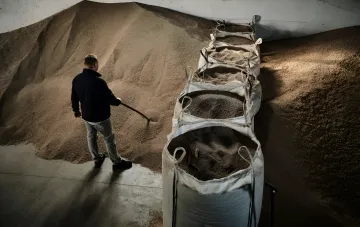
Systematic Russian shelling of Ukraine's transport and railway infrastructure has led to a critical shortage of locomotive traction. Amid ongoing strikes, the country has almost completely exhausted its own reserves of backup locomotives, posing a serious threat to the stable export of key goods, including grain crops and iron ore.
Threat to Export Corridors and Logistics Crisis
The full-scale war and targeted enemy attacks on logistical hubs have dealt a heavy blow to the capacity of Ukraine's railways. As stated by Ukraine's Minister of Agrarian Policy and Food Taras Vysotskyi in a comment to the Financial Times, the current situation requires urgent steps at the international level. The country's authorities are currently actively negotiating with European Union member states that share the same railway track gauge to promptly obtain additional locomotives.
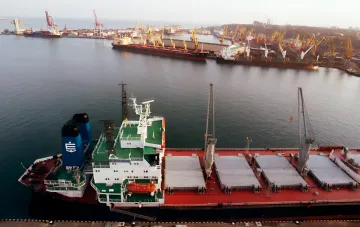
Experts and business representatives confirm the scale of the impending crisis. According to TIS company CEO Mykyta Hrubov, three locomotives were irrevocably lost due to enemy shelling in the area of the port terminal in Yuzhne alone. Such incidents demonstrate that the traction deficit has already become the main vulnerability of all southern port logistics in Ukraine.
Escalation of Attacks on Railway Transport
Analysts note that even the successful operation and partial unblocking of Black Sea ports cannot fully resolve the logistics problem in the absence of reliable and uninterrupted cargo delivery directly to berths. In recent weeks, Russian troops have significantly intensified strikes directly against trains carrying strategic export raw materials.
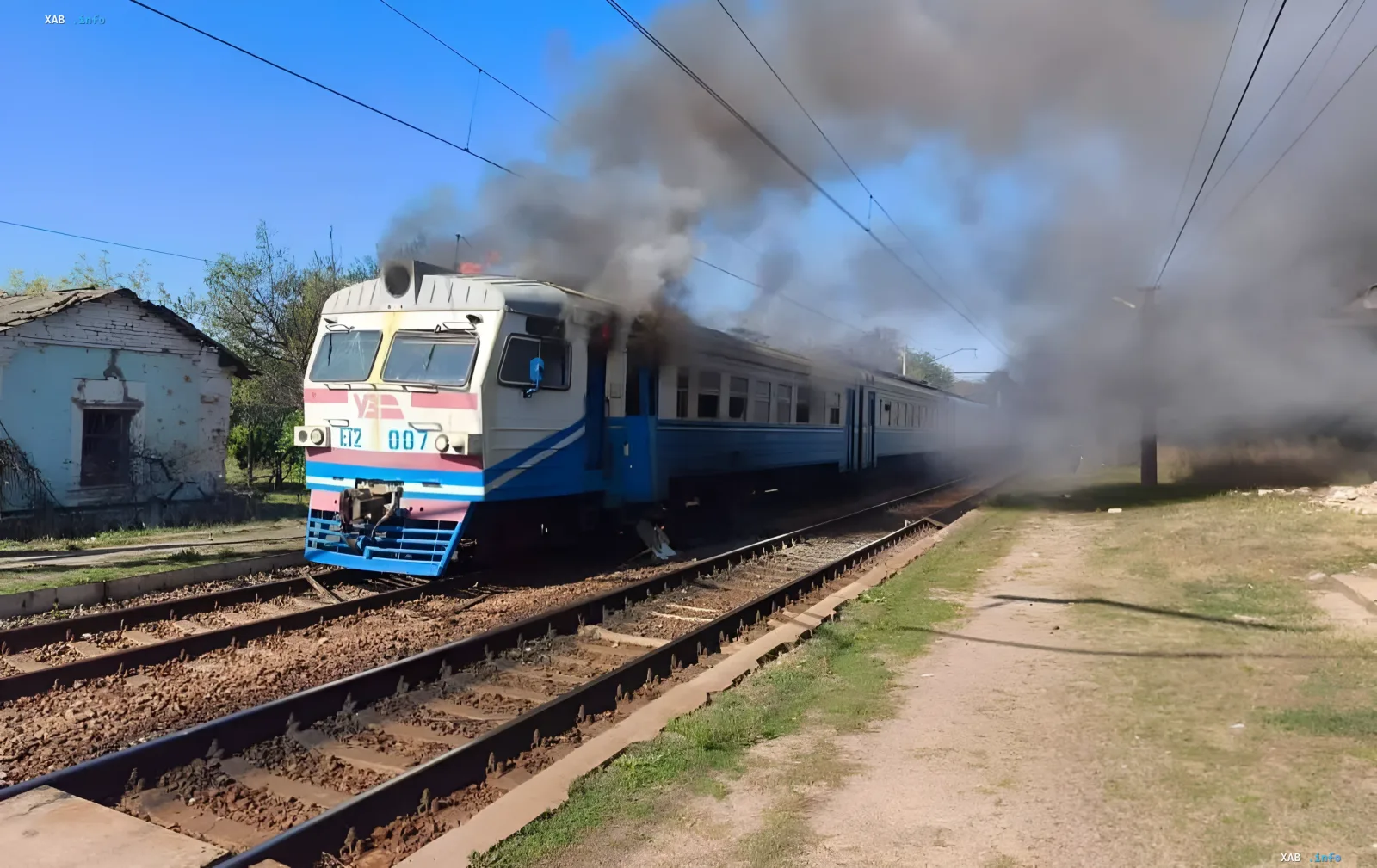
The danger to civilian infrastructure is illustrated by recent incidents. For instance, Russian invaders attacked a suburban train in the Kharkiv region, resulting in severe injuries to passengers during evacuation. Another dangerous episode occurred with passenger train No. 122 on the Kyiv-Mykolaiv route, where tragedy was averted solely thanks to the prompt actions of the train crew and timely warning.
Search for Solutions and International Support
The critical depletion of the rolling stock fleet threatens the fulfillment of export contracts and the inflow of foreign exchange earnings into the state budget. Given the specifics of the railway infrastructure, integrating European locomotives on sections with a similar gauge is seen as one of the few viable scenarios to save the country's agricultural and industrial exports amid relentless shelling.