Verdict on Wassim al-Assad
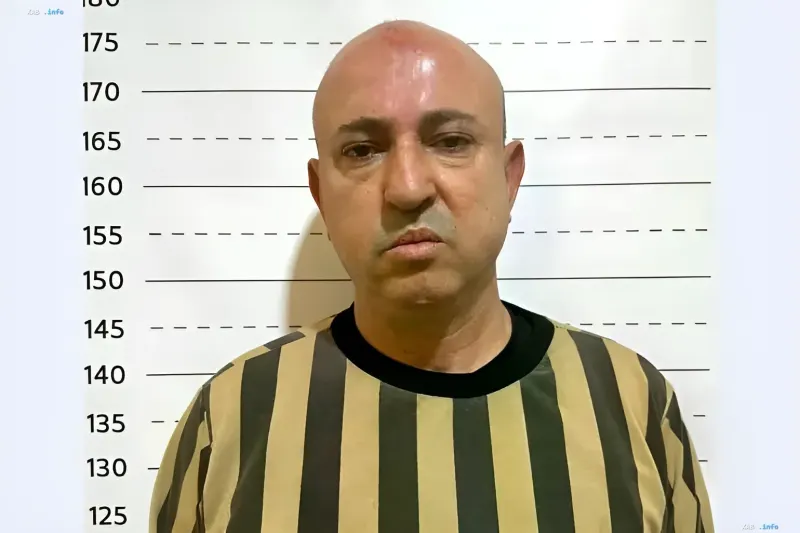
On August 18, 2026, Criminal Court No. 4 in Damascus sentenced Wassim al-Assad, the cousin of former Syrian President Bashar al-Assad. The court found him guilty of a series of serious charges, including intentional murder, mass killing, and torture during the country's conflict. Judge Fakhr al-Din al-Aryan stated that the defendant's actions fall under the categories of crimes against humanity and war crimes. Footage from the court session shows Wassim al-Assad sitting in the courtroom awaiting the verdict.
Charges and Evidence
According to court documents, Wassim al-Assad was accused of creating and leading armed groups under President Assad's regime since 2011. He was also accused of participating in military operations targeting residential areas, which led to numerous casualties among the civilian population. However, the court found him not guilty of drug trafficking due to insufficient evidence confirming his direct involvement in this crime.
Trial Context
This case is part of the transitional justice process in Syria, aimed at holding accountable those accused of war crimes and crimes against humanity committed during Bashar al-Assad's more than 24-year rule. Previously, about a week ago, former President Bashar al-Assad and his brother Maher al-Assad were sentenced to death in absentia, as they are living in exile in Russia.
Contradictory Data
Although the court found Wassim al-Assad guilty of war crimes, there are contradictions regarding his role in drug trafficking. Some sources point to his involvement in illegal drug trade; however, the court did not find sufficient evidence to support this charge. This creates uncertainty regarding his full role in events related to the Assad regime.
International Sanctions
Wassim al-Assad has faced sanctions from several Western countries over allegations related to illegal drug trafficking and commanding militarized groups supporting the former President Bashar al-Assad's regime. These sanctions were imposed in response to his alleged role in war crimes and human rights violations.