The appearance of water under vegetable drawers in a refrigerator is a common issue faced by many appliance owners. Contrary to fears, this does not always indicate a serious compressor failure or refrigerant leak. Often, the cause lies in a simple clogged drain hole, improper food placement, or warm, humid air entering the chamber.
How the Condensate Drainage System Works
In modern refrigerators with a direct-cool system, condensation inevitably forms on the back wall. During compressor operation, moisture can turn into a thin layer of frost, which melts when the motor turns off. The flowing droplets enter a special channel and are directed through a drain hole into a pan above the compressor, where they gradually evaporate. Appliance manufacturers, including Beko, emphasize that a moderate amount of moisture on the back wall is completely normal.
Drain Clogs and Cleaning Guidelines
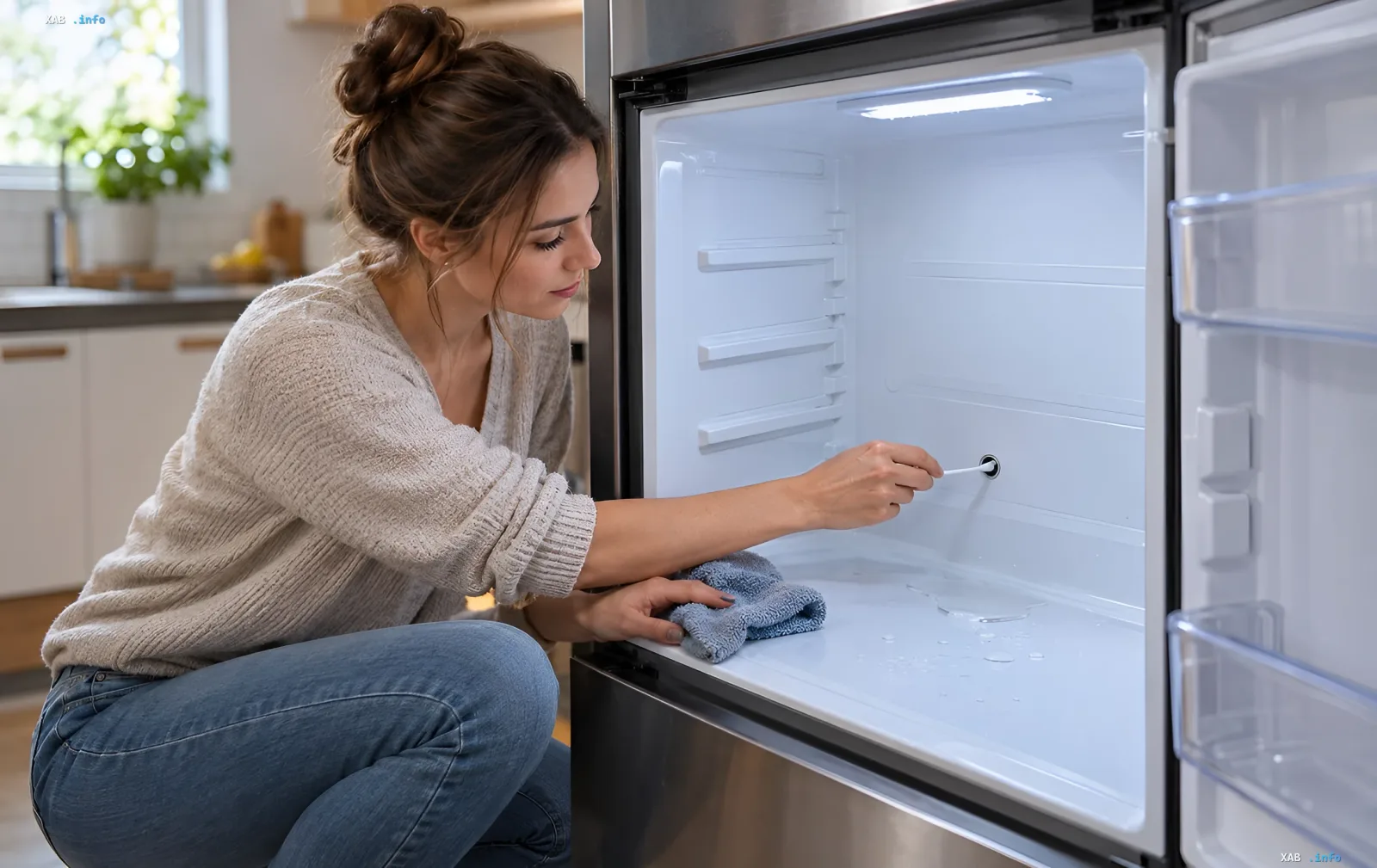
If water begins to accumulate in puddles under the vegetable drawers, it indicates a disruption in condensate drainage. Most often, the channel gets blocked with small crumbs, food particles, or dust. In models with an accessible drainage system, the hole is located at the bottom of the back wall. Leading brands like Bosch recommend carefully cleaning it with a soft cloth and a cotton swab, strictly forbidding the use of sharp objects, metal wire, or aggressive pipe-cleaning chemicals.
Gasket Issues and Food Placement
In addition to drainage, operational errors lead to excess moisture. Electrolux and Samsung specialists note that products pushed tightly against the cold back wall prevent normal water runoff. Furthermore, a worn or dirty door gasket lets warm, humid air into the refrigerator, increasing condensation. Regular cleaning of the rubber seal and making sure containers do not block the door closure help resolve this issue.
No Frost Systems and Conflicting Data
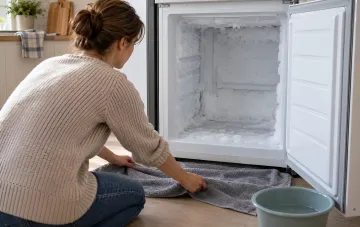
In refrigerators with a No Frost system, the drainage layout is often hidden behind internal evaporator panels, meaning ice or debris clogs require comprehensive intervention. Conflicting data surrounds emergency defrosting methods and deep clog removal: while manufacturers like LG acknowledge that blocked drainage in top-freezer models can cause water to spill into the fresh food compartment, independent experts warn that attempting to clear ice jams with improvised tools without unplugging the unit can damage hidden plastic or aluminum parts.