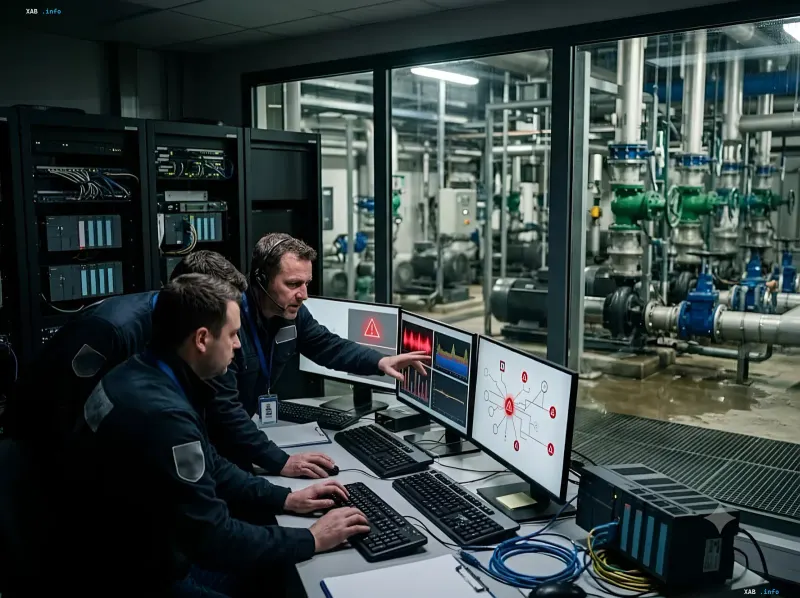
The United States' life-support systems are facing a new wave of digital threats. The Federal Bureau of Investigation (FBI), in conjunction with the Environmental Protection Agency (EPA), has officially warned of a series of serious cyberattacks targeting water supply facilities and wastewater treatment systems. Incidents beginning at the end of July have already led to actual disruptions in water supply in several regions of the country.
Strike on Seven States
According to data published by XBT.com, since July 27, critical infrastructure enterprises responsible for water purification and distribution have become targets for attackers in seven states simultaneously. The attacks did not remain at the level of theoretical threats: specialists recorded actual malfunctions in equipment operation.
Representatives of the affected companies reported critical consequences of the intrusion. There was a sharp drop in pressure in the water supply networks, leading to interruptions in resource delivery to consumers. Furthermore, flooding was observed in some areas, creating serious environmental and sanitary risks for the population.
Vulnerability of Urban Infrastructure
Experts emphasize that such incidents clearly demonstrate the critical dependence of modern urban infrastructure on digital networks. Water utilities, traditionally considered physical objects, are today fully integrated into the digital space, making them vulnerable to remote influence.
Escalation of Threats and Government Response
The situation is exacerbated by the fact that these incidents occurred shortly after attacks on more than thirty municipal water supply facilities in the state of Minnesota. The recurring nature of threats is forcing official agencies to move to strict response measures.
US government bodies have issued special instructions to all relevant enterprises across the country. The document mandates the immediate strengthening of cybersecurity measures to prevent the repetition of such scenarios and to protect the population from potential technological disasters.