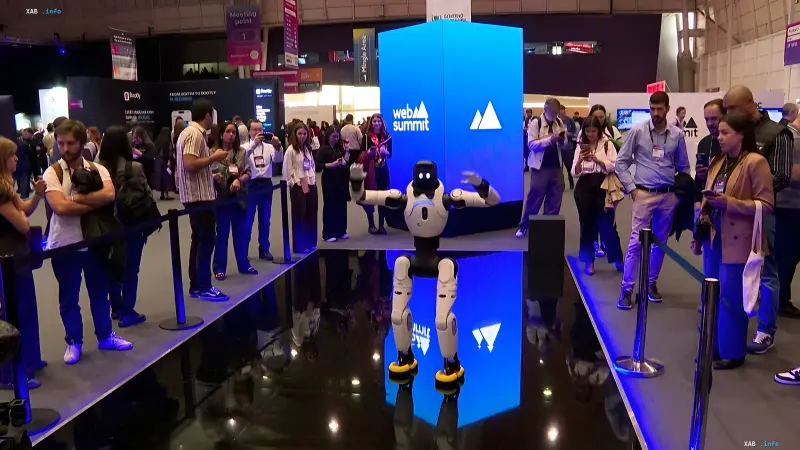
On the opening day of the Web Summit 2026 technology conference at the MEO Arena in Lisbon, Portugal, the highlight was a synchronized dance performance by nine Chinese humanoid robots. The machines, developed by robotics company AgiBot, performed on November 9 in front of thousands of spectators gathered at the venue, concluding their routine to a round of applause. The show served as a vivid demonstration of how quickly humanoid robotics have moved from laboratory testing benches to spectacular public performances at major international forums.
A dance of nine robots: the highlight of the opening
The synchronization of the nine units was the key visual focus of the opening ceremony. For AgiBot, such a performance on one of Europe's largest technology stages is not just a marketing gesture, but a testament to the maturity of their group coordination control algorithms. Spectators at the MEO Arena watched the routine live, and video footage quickly spread across the media landscape, solidifying Web Summit 2026's reputation as a venue where robotics are now full participants in the program rather than mere window displays.
Robot speakers and other exhibits
For the first time at Web Summit, humanoid robots moved beyond stage performances to take on the role of official speakers: they participated in discussions and demonstrations alongside human speakers. In other areas of the forum, visitors could inspect the wheeled, two-armed robot from Galbot, designed for practical tasks in stores, pharmacies, and manufacturing facilities. The collection of such exhibits showed that industry interest is shifting from standalone prototypes to robots intended for integration into daily workflows.
Record-breaking Chinese delegation
Web Summit 2026 attracted nearly 70,000 participants from 164 countries, with China sending its largest delegation in the event's history. It included more than 50 representatives from the Chinese artificial intelligence and robotics sectors. Conference founder Paddy Cosgrave publicly emphasized China's growing influence in the technology sector, making the presence of such a massive delegation not coincidental, but a reflection of a structural shift in global competition for leadership in AI and robotics.
History of Web Summit and the role of Lisbon
The conference, founded in Dublin in 2009, moved to Lisbon in 2016 and has since become one of Europe's largest technology hubs. In 2026, the forum once again gathered thousands of startups, investors, and industry leaders, reinforcing the Portuguese capital's status as an international hub for technology and direct investment. The concentration of participants from so many countries turns Web Summit into a barometer for which technological directions are considered priorities on a global scale.
Storm Charles and schedule changes
The conference's operations were not immune to external factors: Storm Charles forced organizers to cancel the program on November 11, after which events resumed on the final day, November 12. Despite this forced pause, the forum successfully showcased key achievements in robotics and automation and confirmed that, even with logistical disruptions, Web Summit remains a resilient and sought-after platform for international technological dialogue.