Choosing computers for a company has long gone beyond comparing prices and technical specifications in tender tables. For modern businesses, the origin of a device and the ease of its integration into the corporate network are more important than a one-time procurement savings. Why two outwardly identical laptops can become completely different assets for the IT department, and what businesses are actually buying alongside office hardware, is explored in detail through current corporate market trends.
Price and Hidden IT Infrastructure Costs
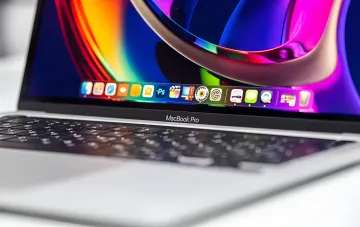
Corporate IT often suffers from a paradox: a company might spend months coordinating budgets, access policies, data security requirements, and approved software lists, only for the actual purchase to boil down to finding a cheaper alternative. At first glance, the device looks identical, but for a business, two outwardly matching laptops can prove to be entirely different assets. What matters is not just which Mac is bought, but how it enters the corporate environment. Can the IT team pre-register and manage it, automatically applying required settings and software, or will every single gadget require manual setup?
Centralized Management Tools and Security
Specialized platforms like Apple Business play a pivotal role in this ecosystem. They allow enterprises to organize corporate device management, and when combined with MDM (Mobile Device Management) solutions, IT teams can centrally enforce required configurations and security policies. Consequently, routine processes that previously started only after the laptop physically reached the IT department can be prepared in advance. Corporate digital hygiene is built not just on employee vigilance, but on managing the full lifecycle of every asset.
Process Automation and the Future of Corporate Procurement
The traditional journey of a corporate computer usually involves unboxing, manual software installation, security configuration, and shipping to the employee. For large enterprises with hundreds of specialists across different cities, this manual routine creates massive overhead. Zero-touch deployment technology completely transforms this route, minimizing human error and accelerating the onboarding of new personnel into company workflows.