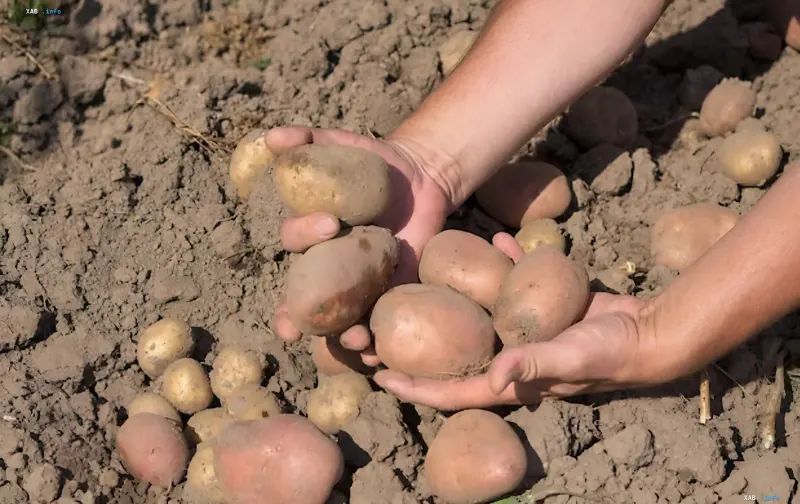
September is traditionally considered one of the key months for harvesting potatoes: how well the tubers will keep through winter storage largely depends on how timely and under what conditions they are dug up. By September 4, 2026, some of the work "windows" are already behind us, but the main periods are still ahead. Gardeners who follow the lunar calendar split into two camps — and it is precisely this discrepancy that matters when planning the harvest.
Why September Is the Decisive Month for Potatoes
Timely harvesting protects the tubers from overgrowth, diseases, and frost damage. According to folk and agronomic beliefs, potatoes dug up at the right time and in dry weather keep better and lose less moisture. So choosing the day for the work is no mere formality: the quality of the winter storage crop depends on it. Importantly, by early September 2026 the tubers in most regions have already reached technical maturity, and delaying the harvest in the face of rain or cooling weather can result in losing part of the crop.
The Waning Moon: The Main Guide
By tradition, root crops are recommended to be harvested during the waning moon — it is believed that on these days potatoes keep better and remain fit for eating longer. In September 2026 the waning moon falls at the beginning and end of the month, so for followers of this approach the most favorable periods are cited as September 1–10 and September 27–30. Since by September 4, 2026 the first decade is not yet over, gardeners following this logic still have time to finish the main harvest within this window.
Conflicting Data
Here the sources disagree. If the waning moon points to harvesting at the start and end of the month, some gardeners dig potatoes during the waxing moon as well. In particular, the authors of the YouTube channel "Lunar Country" name September 19, 20, and 21, 2026 as favorable for harvesting for long-term storage, claiming that potatoes dug up on these days "will keep well all winter." As a result, the two camps end up with almost non-overlapping sets of dates: September 1–10 and 27–30 versus September 19–21. There is no single "correct" answer within the lunar calendar — the choice of date depends on which system of guides a given gardener follows.
Dates to Avoid
Followers of the lunar calendar advise paying special attention to September 11 and 12, 2026: September 11 falls on the new moon, and September 12 is the first day after it. These dates are traditionally considered unfavorable for harvesting potatoes, since the crop dug up during this period is supposedly kept poorly. If you have a choice between several days, it is advised to move the garden work to more suitable dates.
Lunar Calendar or Agronomy
It is important to remember that the lunar calendar is a traditional practice, not a scientifically proven way to determine the best time to harvest potatoes. The state of the crop and its subsequent storage are far more strongly influenced by tuber maturity, weather, and digging conditions. Before harvesting, make sure the potatoes are ripe: the skin should be firm and not rub off with light friction. It is best to work on a dry day, when the soil has not turned into a wet, sticky mass — damp ground makes digging harder, and dirty, wet tubers are more difficult to prepare for storage. After harvesting, the crop should be sorted, damaged and diseased tubers set aside, and the healthy potatoes well dried before being put into long-term storage. If the ground is still damp after rain, it is wiser to wait a little, but the harvest should not be delayed either, especially if prolonged rain or a sharp drop in temperature is forecast.