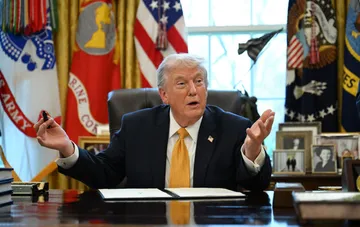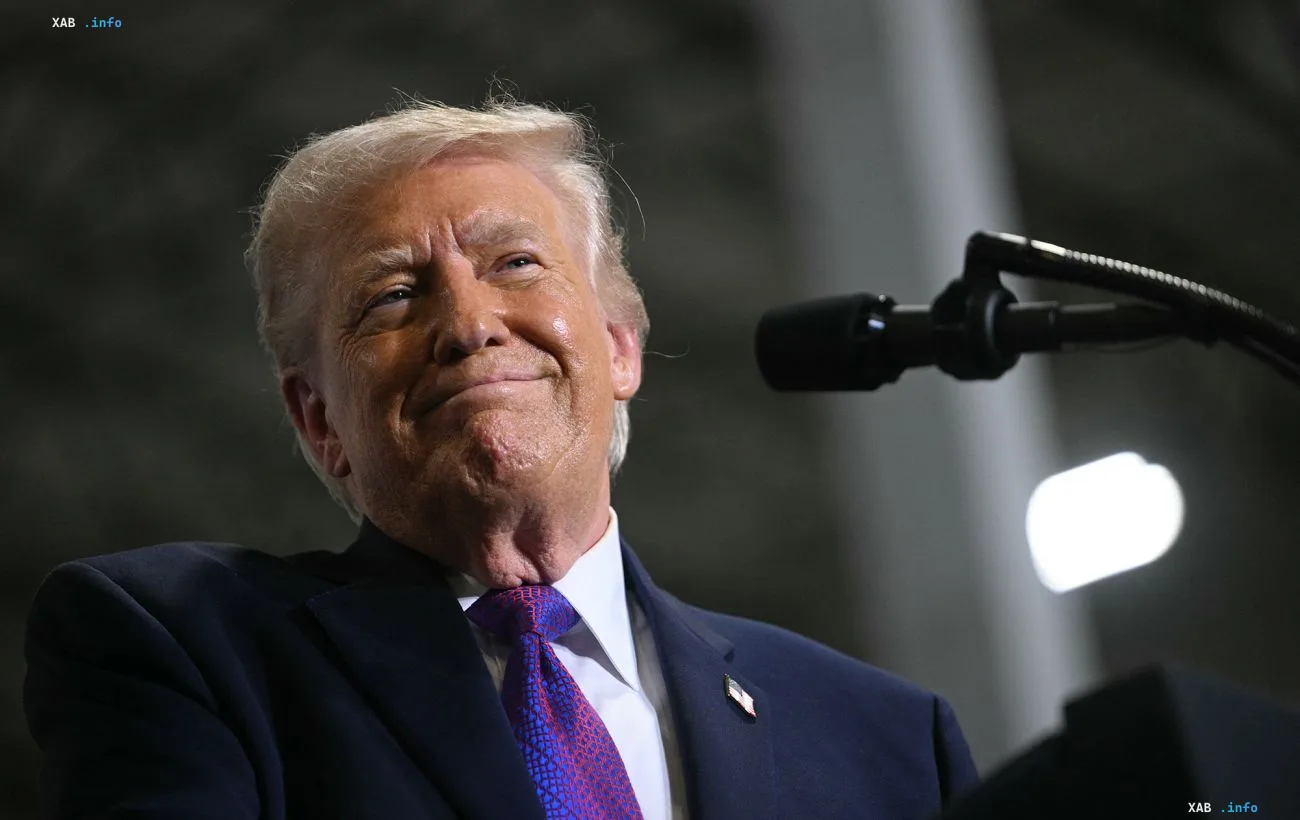
In the early hours of September 22, 2026, the White House launched a 24/7 video stream on the official YouTube channel of the US administration, named 'Trump TV.' This was announced by the White House itself in its X (formerly Twitter) account, and the news was confirmed by Ukrainian and international media outlets. At the moment of launch, viewers could see footage of Donald Trump's inauguration, which took place after the 2024 presidential election. As planned by the organizers, the channel will operate without interruption, broadcasting key presidential speeches, video recordings of administration events, compilations of 'highlights,' and breaking announcements.
'Not all important events were shown on television'
In the project announcement, the White House emphasized that 'Trump TV' is updated in real time and brings together in one place 'the best moments from past years, announcements, and the latest news from the administration.' The statement underscores that a number of significant events had previously not been broadcast on national television, and that, according to the administration, this problem has now been resolved. The channel's format effectively turns the YouTube platform into an alternative state television channel, bypassing traditional media.
Conflict with the press: from ban to boycott
The launch of 'Trump TV' came against the backdrop of a sharp conflict between the Trump administration and American journalists. On September 18, 2026, the US president announced a ban on CNN, MSNBC, and Politico journalists from attending the White House. In response, the five major television networks in the so-called presidential pool — ABC, CBS, NBC, CNN, and Fox News — suspended their joint video coverage of events involving the president. Typically, the networks take turns providing a camera crew that accompanies the head of state and shares the footage with other outlets. On September 21, the duty to provide coverage fell to CNN, but the White House removed the network from the schedule. The remaining pool members refused to provide a replacement, emphasizing that the public has an interest in receiving independent information about the government's work, and that the administration should not restrict media access based on the content of their publications.
Helipad without cameras
The practical outcome of the networks' refusal was the ceremony opening the White House's new helipad on September 21, which took place without any television coverage. The Trump administration attempted to broadcast the event on its own, but due to the helicopter noise, the president's words were barely audible — there were no professional microphones from the television networks on site. The incident clearly demonstrated that without the infrastructure of traditional media, the administration's independent broadcast is technically poor in quality.
Court case
On September 21, it became known that CNN, MSNBC, and Politico had filed a lawsuit against President Donald Trump and his administration over the ban on journalists working in the White House. The first hearings in the case are expected as early as this week. Thus, the launch of 'Trump TV' coincided with a moment when the administration was simultaneously in a legal dispute with three major outlets and in a de facto rupture with the five-network pool that had provided video coverage of presidential events.
Contradictory data
No significant discrepancies in dates or key facts were found in the provided sources: all four sources confirm the launch of 'Trump TV' in the early hours of September 22, the chronology of the conflict (the ban on September 18, the helipad incident on September 21, the filing of lawsuits on September 21), and the list of television networks involved in the boycott. The only minor discrepancy is in the wording: some sources call the project a 'channel,' whereas technically it is a 24/7 live stream on YouTube, not a full-fledged television channel with its own broadcast frequency band. Nevertheless, the White House itself uses the term 'TRUMP TV' in its announcement, which establishes the project's status as a media brand.