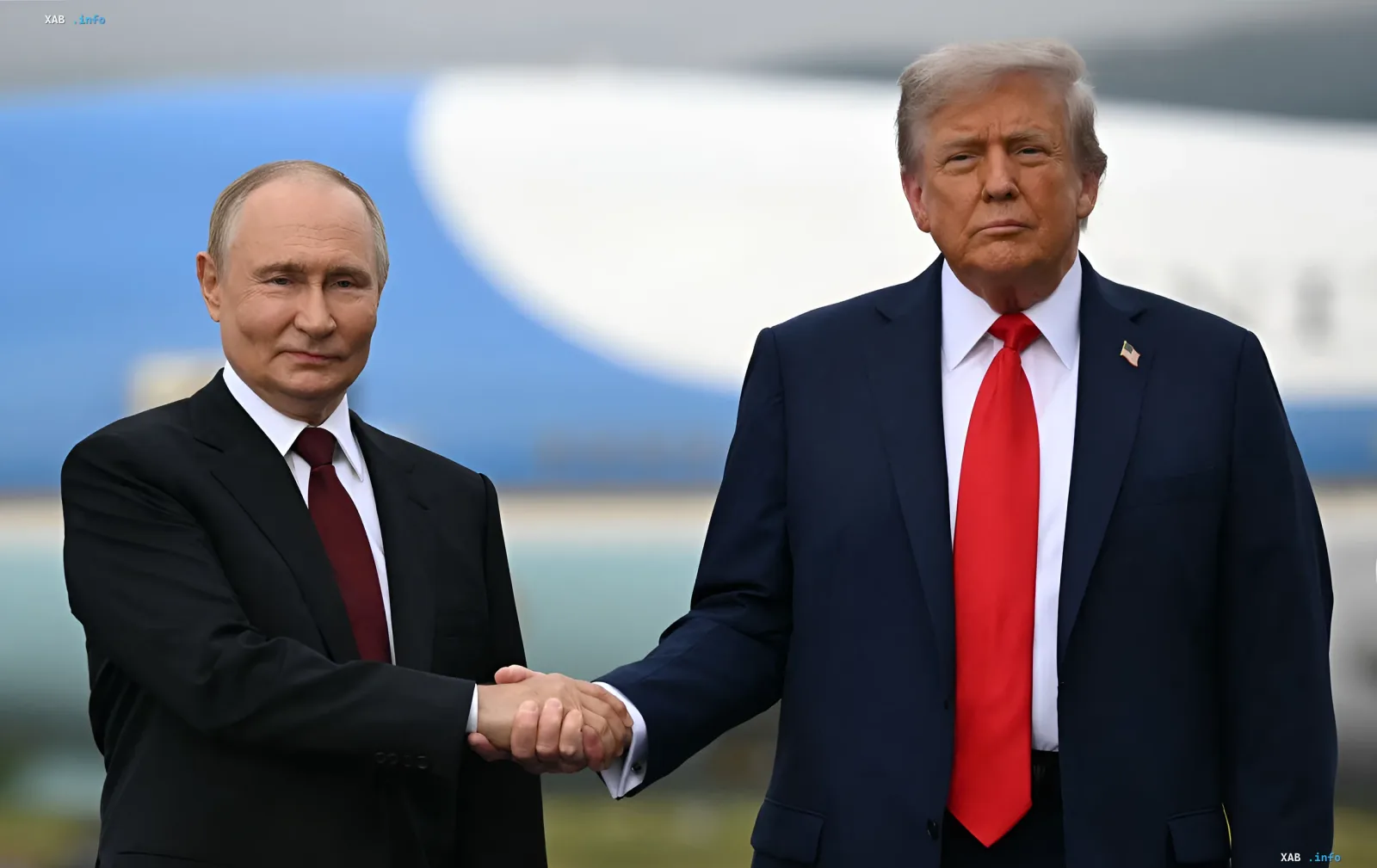
The White House is actively discussing the possibility of concluding separate economic and other agreements with Russia even before the end of the war in Ukraine. This is reported by RBC-Ukraine, citing sources from The New York Times. According to the publication, the talks concern potential deals that Washington could strike with Moscow regardless of whether a full peace agreement on Ukraine is reached. This approach, sources say, reflects President Donald Trump's desire to simultaneously continue negotiations with the Kremlin and seek opportunities to restore economic relations with Russia.
A "Two-Track" Strategy: Pressure and Cooperation in Parallel
The Trump administration's approach, as it follows from NYT materials, combines sanctions pressure on Russia with attempts to preserve room for negotiations and possible economic cooperation. The White House expects that economic interaction could become one of the tools for advancing the negotiation process. At the same time, any serious economic agreements will directly depend on the current U.S. sanctions regime: some restrictions against Russia remain in place, and a new sanctions initiative from Congress provides for additional pressure on Russia's energy sector and other sources of Kremlin revenue. Thus, specific deals with Moscow remain a matter of discussion rather than an established policy.
Internal Disagreements Within the Administration
There is no full consensus within the U.S. administration on how quickly to move toward economic agreements with Moscow. Some officials believe that providing Russia with economic incentives before the war ends could weaken the levers of pressure on the Kremlin and reduce Moscow's motivation to make concessions in the negotiation process. This creates an internal conflict between proponents of "soft" economic engagement and those who insist on maintaining a hard sanctions course as the main instrument of influence.
The Kremlin's Position and the Sanctions Backdrop
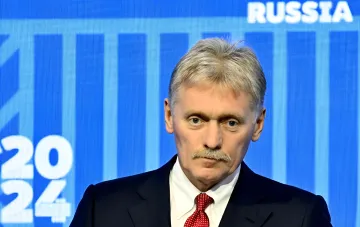
On September 17, Russian presidential press secretary Dmitry Peskov stated that the possible adoption of a new package of U.S. sanctions could complicate negotiations on ending the war. He called such measures "unfriendly actions" and emphasized that they could make diplomatic efforts more difficult. Against this backdrop, the U.S. House of Representatives on September 16 approved a large-scale sanctions package against Russia, providing for additional restrictions on Russian officials, the financial and energy sectors, as well as the possibility of imposing higher tariffs on countries that continue to purchase Russian energy.
The Negotiation Process: Signals Without a Breakthrough
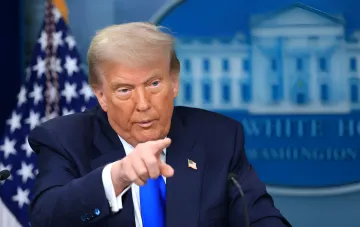
Trump himself has repeatedly stated in recent weeks that he considers Vladimir Putin ready to strike a deal. After a phone call with the Russian leader on September 9, he said: "We had a great conversation," adding: "He wants to make a deal. And if Zelensky wants to make a deal, that would be very good." Nevertheless, negotiations on ending the war remain without a significant breakthrough: Moscow continues to insist on its demands, while Kyiv is seeking security guarantees and conditions that would not allow Russia to resume the war. Recently, U.S. presidential envoys Steve Witkoff and Jared Kushner traveled to Moscow in an attempt to achieve progress on ending the war, and large-scale projects between the countries were already discussed at that meeting.
Economic Directions and Realistic Constraints
Among the possible areas of cooperation being considered in Washington are energy, investments, and other fields in which American and Russian business could potentially return to interaction. However, the implementation of these plans runs into strict constraints: the current sanctions regime, the political will of Congress, and the absence of a basic political agreement on Ukraine. Experts note that even a partial lifting of restrictions would require legislative changes, making the process lengthy and politically sensitive. At this point, economic agreements with Moscow remain a scenario being discussed in the corridors of the White House, but have not yet moved into the stage of official policy.